Brussels, Belgium — February 19, 2026 — Brussels Morning Newspaper — The China Global Trade Strategy is reshaping global commerce in 2026 as policymakers across Europe assess the long term implications of Beijing’s economic expansion. From infrastructure corridors and advanced manufacturing to currency diversification and digital finance, China’s structured approach reflects decades long planning that extends well beyond past tariff disputes or political transitions in Washington.
European trade officials meeting in Brussels this week emphasized that the global economy is now defined by structural positioning rather than short term trade tensions. The evolution of global supply chains, capital flows and energy transitions has placed China at the center of international economic recalibration.
Infrastructure Corridors Strengthen Global Connectivity
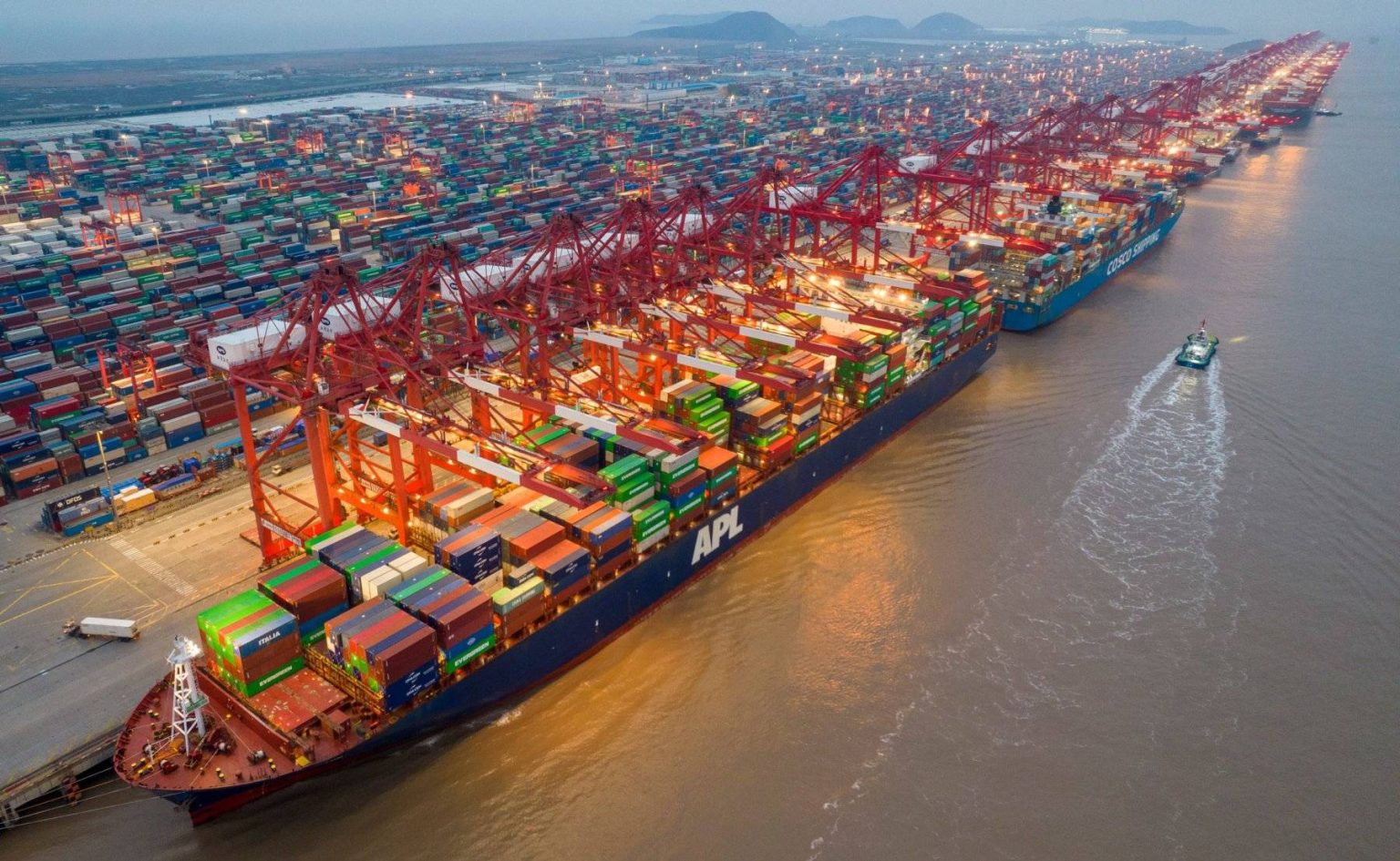
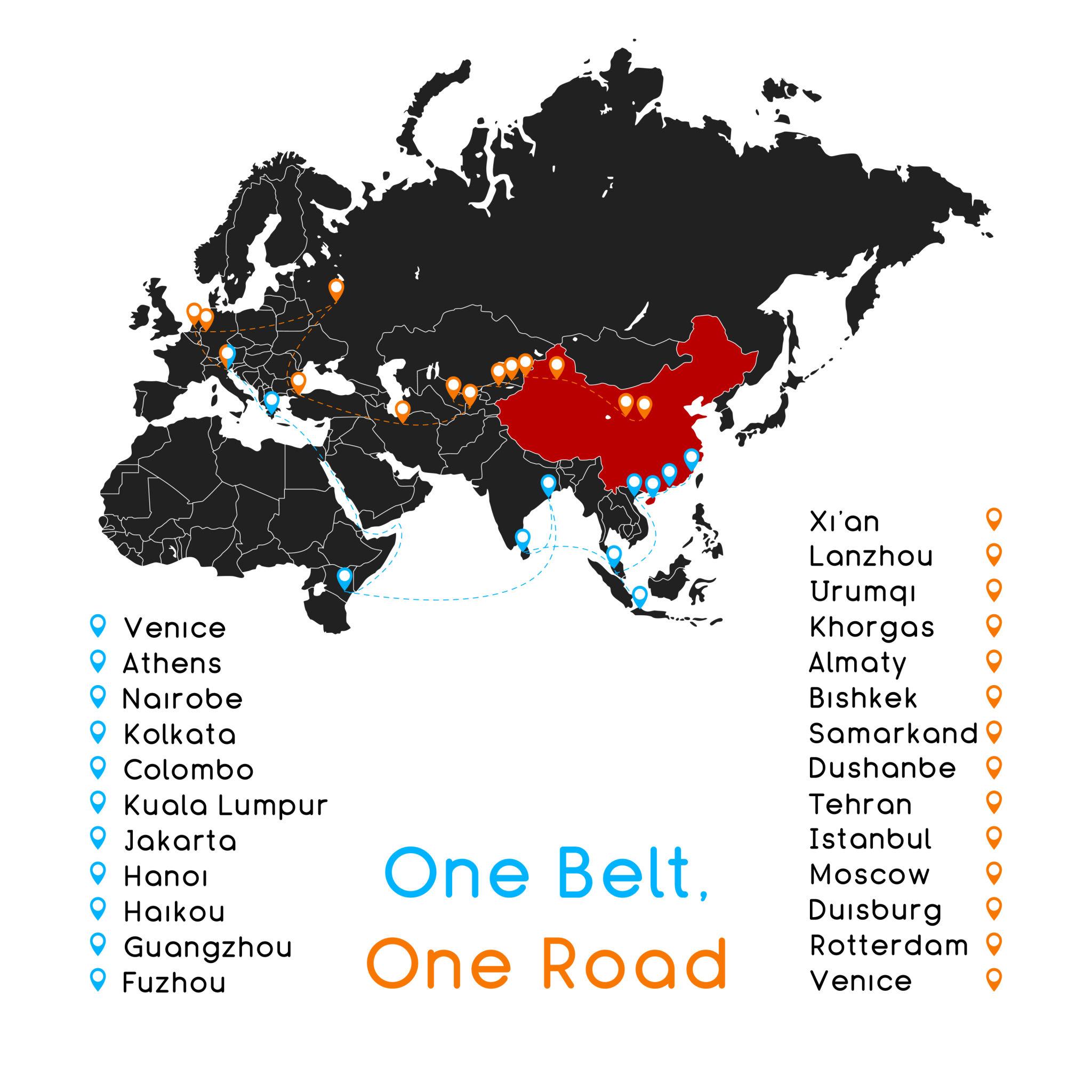
China’s long term infrastructure investments have transformed trade routes across Asia, Africa and Europe. Rail corridors linking inland industrial zones to European distribution centers have reduced transit times and expanded logistical efficiency. Maritime ports developed or financed by Chinese entities now serve as gateways for global container traffic.
Infrastructure projects are more than commercial assets. They embed economic relationships that often span decades. By aligning transport systems with export networks, Beijing strengthens commercial partnerships while reinforcing supply chain reliability.
European analysts say infrastructure diplomacy enhances trade resilience. When trade routes are diversified and reinforced by coordinated investment, export systems become less vulnerable to disruption.
Manufacturing Power Moves Up the Value Chain
China continues to dominate global manufacturing output, but the composition of that output has shifted significantly. Instead of focusing solely on low cost production, Beijing has invested heavily in advanced industrial technologies including robotics, artificial intelligence and semiconductor fabrication.
Electric vehicle manufacturing and renewable energy components have emerged as major export categories. This industrial transition illustrates how the China Global Trade Strategy adapts to technological change while preserving scale advantages.
A Brussels based economic adviser stated,
“Industrial leadership today depends on innovation, not just volume.”
That assessment reflects Europe’s growing recognition that manufacturing competitiveness increasingly hinges on technological depth rather than labor cost alone.
China’s ability to upgrade production while maintaining global reach reinforces its long term commercial durability.
Currency Diversification and Financial Strategy
Another dimension of the China Global Trade Strategy involves gradual currency expansion. While the U.S. dollar remains dominant in global settlement, yuan denominated trade agreements have expanded in recent years.
Energy contracts and commodity trades increasingly include local currency settlement options. Financial multipolarity reduces dependency on single currency channels and enhances negotiating leverage.
European banking institutions in 2026 acknowledge that financial diversification introduces both opportunity and complexity. Broader currency participation may strengthen global resilience but also requires updated regulatory coordination.
The strategic use of financial instruments demonstrates how trade influence extends beyond goods into capital architecture.
Digital Infrastructure and Trade Technology
Technology now forms a core pillar of global commerce. Digital payment systems, 5G telecommunications networks and e commerce platforms are redefining cross border trade.
China’s digital yuan pilot programs aim to streamline transaction settlement and improve transparency in cross border commerce. Integration of artificial intelligence in logistics optimizes shipping efficiency and warehouse management.
A senior European policy analyst commented,
“Digital systems are becoming the new infrastructure of global trade.”
Technological integration ensures that trade competitiveness increasingly depends on data connectivity and innovation capacity.
Trade Diversification Reduces Vulnerability
Following earlier tariff disputes, Beijing accelerated diversification of export markets. Regional trade agreements across Asia, strengthened ties with Middle Eastern economies and expanding partnerships in Africa reduce exposure to any single market.
This diversification enhances resilience. When geopolitical tensions affect one region, alternative trade corridors maintain continuity. European policymakers observing trade data in 2026 note sustained growth in diversified bilateral flows.
The China Global Trade Strategy therefore reflects calculated risk management rather than reactive policy shifts.
Energy Security and Resource Positioning
Access to critical raw materials remains fundamental to industrial continuity. China has invested extensively in mining operations and rare earth processing facilities to secure inputs necessary for renewable energy and advanced manufacturing.
Lithium, cobalt and rare earth minerals play essential roles in electric vehicles and clean technology. Strategic positioning within these supply chains strengthens export capability and long term competitiveness.
European energy strategists acknowledge that resource access may become one of the defining economic variables of the coming decade.
Domestic Market Stability Supports Global Expansion
While export expansion captures global headlines, China’s domestic market provides internal economic stability. Rising middle class consumption strengthens internal demand and reduces vulnerability to external trade disruptions.
Economic planners emphasize a balanced approach that integrates domestic consumption with international expansion. This model enhances resilience while sustaining outward trade momentum.
The combination of strong internal demand and global reach reinforces the structural foundation of the China Global Trade Strategy.
History of Modern Trade Evolution Since WTO Integration
China’s accession to the World Trade Organization in 2001 marked a turning point in global commerce. Integration accelerated export growth and embedded Chinese manufacturing into international supply chains.
Over two decades, the country transitioned from labor intensive production toward advanced industrial output. Infrastructure expansion abroad paralleled domestic industrial upgrading.
This historical trajectory contextualizes current developments. The China Global Trade Strategy reflects continuity of long term planning rather than abrupt transformation.
Competitive Realignment in Europe and Beyond
European governments have responded to shifting trade dynamics by investing in domestic semiconductor production and supply chain diversification. Strategic autonomy debates now feature prominently in Brussels policy discussions.
Despite competitive pressures, economic interdependence remains significant. Full separation from Chinese supply networks would impose substantial costs on global markets.
A Brussels diplomat noted,
“The challenge is balancing economic openness with strategic security.”
This balance defines policy debates across Europe in 2026.
Green Transition and Industrial Opportunity
Climate policy increasingly intersects with global trade. China’s leadership in solar panel production and electric vehicle manufacturing positions it advantageously within the global energy transition.
As European governments pursue aggressive climate targets, demand for renewable technology expands. Trade flows linked to green industries may define commercial competition in the next decade.
Environmental transformation therefore aligns with industrial repositioning.
Supply Chain Restructuring After Pandemic Disruptions
Global companies continue to reassess sourcing strategies following pandemic related disruptions. While diversification toward Southeast Asia grows, China retains logistical and industrial scale advantages.
Integrated supplier networks, skilled labor clusters and transport infrastructure sustain competitiveness. Structural depth makes rapid replication difficult in alternative markets.
The China Global Trade Strategy leverages this embedded ecosystem to maintain centrality in global commerce.
Financial Integration and Capital Markets
Capital market integration plays a strategic role within the China Global Trade Strategy, strengthening trade expansion through deeper financial engagement. The growing inclusion of Chinese bonds in major international indices, along with expanded access for foreign investors to domestic capital markets, signals a calibrated move toward financial openness.
Under the China Global Trade Strategy, enhanced financial connectivity works alongside export capacity, reinforcing systemic integration into global markets and aligning capital flows with long term trade objectives.
Structural Economic Statecraft in the Post Tariff Era
In 2026, global trade is shaped less by temporary tariff disputes and more by systemic architecture. Infrastructure corridors, digital platforms, resource alignment and financial diversification operate together as components of strategic economic statecraft.
Policymakers in Brussels increasingly recognize that understanding the China Global Trade Strategy is essential to navigating an interconnected global economy.
As markets evolve, strategic foresight rather than reaction may determine competitive advantage in the coming decade.