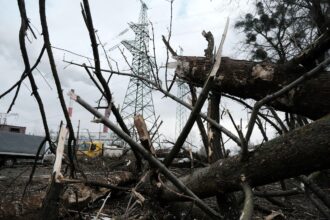
In Aleppo in 2026, the Syria conflict returned sharply to international attention after renewed shelling struck contested neighborhoods, underscoring the fragile calm that continues to define northern Syria. The incident, first reported by Brussels Morning Newspaper, has renewed concerns about civilian safety and the long-term stability of a city that once stood at the economic heart of the country. Although front lines have shifted little in recent years, the latest violence shows how quickly tensions can flare in densely populated urban areas.
Residents described sudden explosions and widespread fear as artillery fire echoed across residential districts, reviving memories of earlier phases of the war. For many, the shelling served as a stark reminder that peace remains incomplete, even after years of relative quiet compared with the height of the fighting.
Aleppo’s Strategic and Symbolic Importance
Aleppo has long been one of the most significant cities affected by the Syria conflict, both strategically and symbolically. Before the war, it functioned as a commercial hub linking domestic and regional trade routes. During the conflict’s most intense years, control of the city shifted amid fierce fighting that left entire neighbourhoods destroyed.
While government forces regained much of Aleppo years ago, surrounding districts remain sensitive. Proximity between rival forces, combined with unresolved political arrangements, has left the city vulnerable to periodic unrest. Analysts note that Aleppo’s layered history makes any renewed violence there particularly resonant for Syrians and international observers alike.
What Happened in the Latest Aleppo Shelling
According to local sources and monitoring groups, artillery rounds landed near contested positions on the outskirts of government-controlled areas. The shelling was relatively brief but intense enough to disrupt daily life across multiple neighbourhoods. Emergency services were seen moving through affected streets, while residents sheltered indoors.
Each side accused the other of provoking the incident, a familiar pattern in the Syria conflict where narratives often diverge sharply. Military analysts suggest the exchange appeared more demonstrative than strategic, aimed at signaling resolve rather than capturing territory.
Civilian Impact and Daily Life Disruptions
As with many episodes of violence in the war, civilians were most affected. Families reported shattered windows, damaged property, and heightened anxiety. Schools in nearby areas temporarily suspended classes, while local markets closed early.
Humanitarian workers warn that the psychological toll of renewed shelling can be severe, particularly for communities that have experienced repeated displacement. In the context of the Syria conflict, even short-lived incidents can reverse fragile progress toward normalcy and recovery.
Northern Syria’s Complex Security Landscape
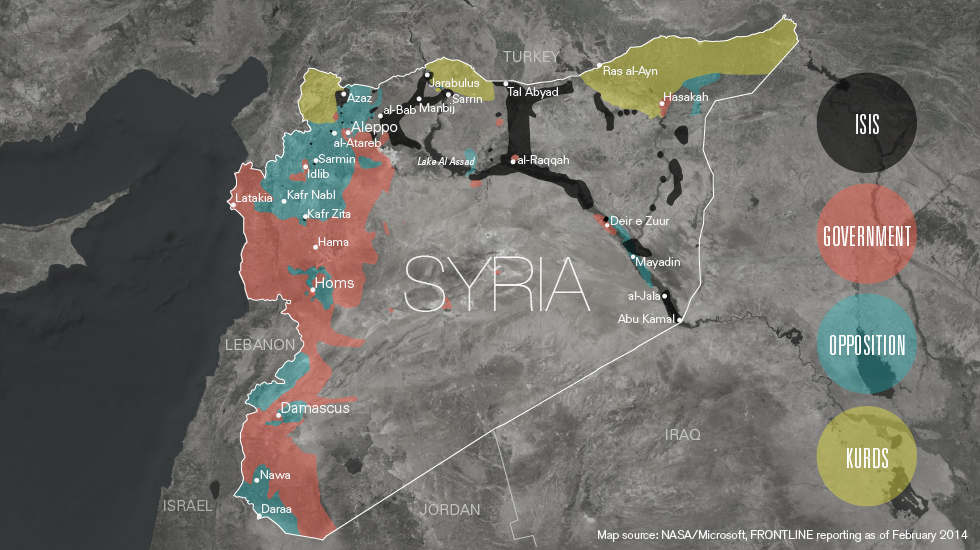
Northern Syria remains one of the most intricate theatres of the war, shaped by overlapping zones of control and competing interests. Government forces, local militias, and other armed groups operate in close proximity, often under informal or temporary arrangements.
This complexity means that the Syria conflict in the north is prone to sudden flare-ups. Minor incidents can escalate quickly if communication breaks down or if one side misinterprets another’s intentions.
Role of Armed Groups Near Aleppo
Several armed actors maintain a presence near Aleppo’s outskirts, each with distinct objectives. Control of even small areas can influence access routes, security buffers, and negotiating leverage.
Observers say the Syria conflict at this level often revolves around signaling and deterrence. Shelling or limited clashes may be intended to assert influence or respond to perceived threats rather than initiate sustained combat.
Regional Dynamics Shaping Local Events
Events in Aleppo cannot be viewed in isolation. Regional powers continue to play roles in Syria’s trajectory, whether through diplomatic engagement, security arrangements, or indirect influence on local actors.
In the broader Syria conflict, shifts in regional relations can quickly affect behavior on the ground. Analysts note that periods of diplomatic tension often coincide with localized escalations, even if no direct link is publicly acknowledged.
International Monitoring and Limited Reaction
International reaction to the latest shelling was muted, reflecting both the frequency of such incidents and the limited leverage external actors currently possess. Humanitarian organizations reiterated calls for restraint and the protection of civilians.
Diplomats tracking the Syria conflict expressed concern that repeated incidents undermine confidence-building measures designed to prevent escalation. However, few expect significant international intervention unless violence spreads more widely.
Political Efforts and Persistent Stalemate
Political negotiations aimed at resolving Syria’s war have produced limited tangible results. Ceasefire agreements and de-escalation zones reduced large-scale fighting in some areas, but they remain fragile.
The persistence of violence in places like Aleppo highlights how the Syria conflict remains unresolved at its core. Without progress on governance, security arrangements, and reconstruction, localized clashes are likely to continue.
Economic Strain and Reconstruction Challenges
Beyond security concerns, Aleppo faces immense economic challenges. Infrastructure damage, limited investment, and sanctions have slowed reconstruction. Many residents struggle with unemployment and rising living costs.
Renewed shelling complicates these efforts, reinforcing perceptions of instability. In the long shadow of the Syria conflict, economic recovery is closely tied to sustained security and political clarity.
Humanitarian Conditions and Aid Constraints
Humanitarian agencies continue to operate under difficult conditions in northern Syria. Access restrictions, funding shortfalls, and security risks limit their ability to assist vulnerable populations.
Episodes of renewed violence linked to the Syria conflict disrupt aid delivery and strain already limited resources. Aid workers stress that stability is essential for addressing long-term humanitarian needs.

Voices From the Ground
Residents expressed exhaustion and frustration at the return of shelling. One Aleppo resident said,
“We rebuild what we can, but every explosion reminds us that everything is still uncertain.”
The comment captures the fatigue felt by many civilians after years of upheaval.
Such voices illustrate the human dimension of the Syria conflict, often overshadowed by strategic and political analysis.
Risk of Escalation and Miscalculation
Security experts warn that even limited clashes carry the risk of unintended escalation. Dense urban environments increase the likelihood of civilian casualties and rapid spread of violence.
Repeated incidents within the Syria conflict raise concerns that localized exchanges could spiral if retaliation cycles take hold or if external actors become involved more directly.
Media Coverage and Information Gaps
Reporting from conflict zones remains challenging. Access restrictions and competing narratives complicate efforts to verify events independently.
In the Syria conflict, information gaps often fuel misinformation and mistrust. Analysts emphasize the importance of accurate reporting to prevent misunderstandings that could worsen tensions.
The Role of Ceasefire Mechanisms
Ceasefire arrangements, where they exist, rely heavily on communication and monitoring. Breakdowns in these mechanisms often precede renewed violence.
Observers say strengthening ceasefire enforcement could reduce incidents linked to the Syria conflict, but achieving consensus among all parties remains difficult.
Youth and a Generation Shaped by War
A generation of Syrians has grown up amid conflict, shaping attitudes toward security, governance, and opportunity. In Aleppo, many young people know little beyond instability.
The long duration of the Syria conflict has left deep social scars, with long-term implications for reconciliation and rebuilding.
Regional Security Implications
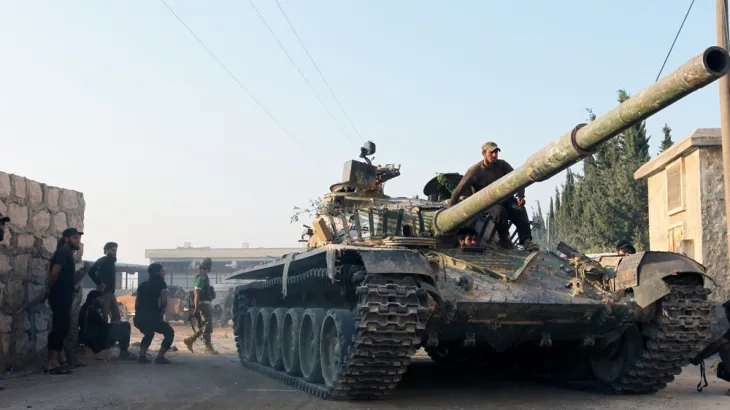
Instability in Aleppo has implications beyond Syria’s borders. Neighboring countries monitor developments closely, wary of spillover effects such as displacement or cross-border insecurity.
As the Syria conflict continues, regional actors balance their interests carefully, seeking to avoid escalation while protecting strategic priorities.
Prospects for Stability in Aleppo
Whether calm returns to Aleppo depends on restraint by local actors and progress in broader political talks. Residents hope the latest shelling proves isolated rather than a sign of renewed cycles of violence.
Analysts caution that without addressing the underlying drivers of the Syria conflict, lasting stability will remain elusive.
International Law and Civilian Protection
International humanitarian law requires all parties to protect civilians and avoid targeting populated areas. Repeated shelling near residential zones raises concerns among rights groups.
In the context of the Syria conflict, accountability remains limited, contributing to a sense of impunity that undermines deterrence.
Reconstruction Versus Recurrence of Violence
Aleppo’s recovery depends on sustained peace. Reconstruction efforts struggle when violence reemerges, discouraging investment and return of displaced residents.
The cycle of rebuilding and renewed damage illustrates one of the most painful aspects of the Syria conflict, where progress is often fragile and reversible.
The Psychological Toll on Communities
Years of conflict have taken a heavy psychological toll. Anxiety, trauma, and uncertainty remain widespread, particularly among children.
Mental health experts warn that the Syria conflict has created long-term challenges that will persist even if fighting subsides.
Media Silence and Global Fatigue
Global attention to Syria has waned compared with earlier years, leading some observers to worry that renewed violence may be overlooked.
Despite reduced coverage, the Syria conflict continues to shape millions of lives, making sustained international engagement crucial.
When Silence in Aleppo Becomes the True Measure of Peace
The latest shelling in Aleppo underscores how unresolved tensions continue to define life in northern Syria. In 2026, the Syria conflict remains a powerful force shaping security, economics, and daily existence for civilians. While the scale of violence is far below earlier peaks, its persistence highlights the fragility of peace and the long road still ahead.