The Financial Reality of the Reconstruction Plan
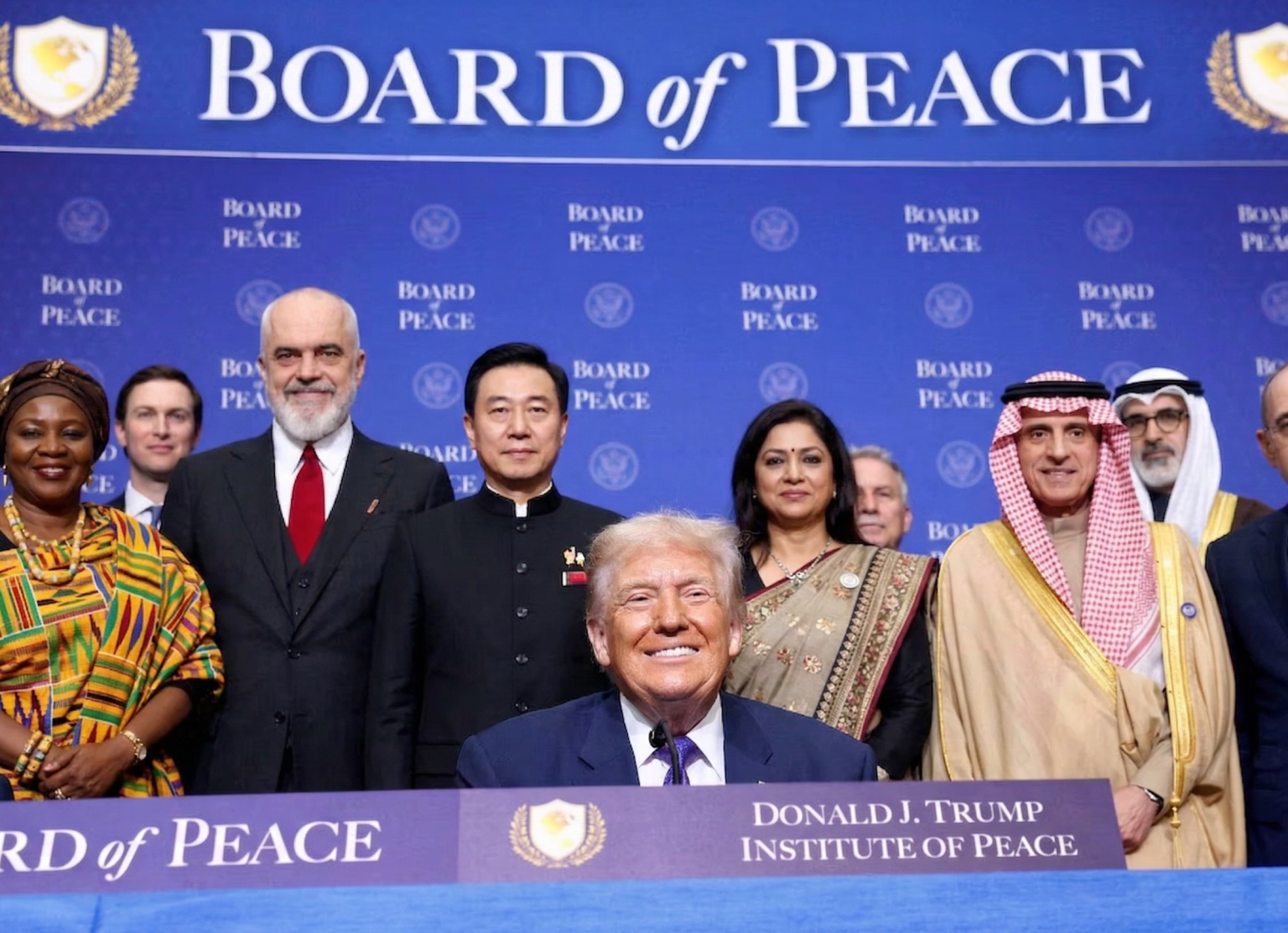
The current situation is a stark contrast to the optimism seen during the Washington conference held earlier this year. At that event, several nations pledged a combined total of $17 billion to facilitate the governance and physical rebuilding of the coastal enclave. However, the Board of Peace has reportedly received only a tiny fraction of that amount. The discrepancy between the promises made on the world stage and the actual transfer of funds has created a vacuum where progress was expected to be swift. This lack of financial backing has direct consequences for the stability of the region, as the population in Gaza remains in a state of desperate need while administrative structures remain underfunded.
Regional Conflict Impacts Funding Streams
The primary cause for this sudden stagnation appears to be the shifting focus of international donors. Recent escalations in the region, particularly the military tensions involving Iran, have diverted both diplomatic attention and financial resources away from Palestinian reconstruction. Sources indicate that many of the nations that pledged billions are now hesitating, citing security concerns and the need to bolster their own defense postures. For Trump’s board of Peace, this timing could not be worse. The initiative was designed to capitalize on a period of relative calm, but the return to active hostilities elsewhere has made the long-term investment in Gaza look increasingly risky to foreign treasuries.
The Stalled Mission of the Technocratic Committee
Central to the plan was the National Committee for the Administration of Gaza (NCAG). This body, comprised of Palestinian technocrats, was intended to assume the daily governance of the territory, providing an alternative to militant leadership. However, the NCAG is currently unable to deploy. Without the necessary funds to establish a presence, pay for local security, or restart basic civil services, the committee remains effectively in exile. One source with direct knowledge of the operations noted that out of the ten countries that originally pledged significant support, only the United Arab Emirates, Morocco, and the United States have followed through with actual contributions.
Global credibility crisis stalls rebuilding efforts
This fiscal paralysis exposes a fundamental shift in how the international community views Washington’s peacemaking credibility in an increasingly multipolar world. For Europe and the US, the failure to secure these funds signals more than just a logistical delay; it represents a waning appetite for bankrolling high-stakes American diplomatic experiments while regional wars continuously reset the board. If the White House cannot leverage its traditional allies to honor these commitments, the vacuum will likely be filled by alternative power brokers or a return to localized governance models that bypass Western interests entirely. Moving forward, this precedent risks turning future humanitarian pledges into mere rhetorical exercises, leaving stabilization efforts permanently underfunded.
Diplomatic Deadlock and Security Constraints
The financial shortfall is not the only hurdle facing the administration. Security constraints have made it nearly impossible for Western-backed officials to enter the territory safely. Even though a ceasefire was technically agreed upon in the previous autumn, sporadic violence continues to plague the area. This volatility has created a circular problem: donors are unwilling to release funds until the environment is secure, but the environment cannot be secured without the resources to build a professional police force and administrative apparatus. Consequently, Trump’s board of Peace finds itself in a holding pattern, unable to move forward with the physical reconstruction of infrastructure that was decimated during previous years of conflict.
Official Communication and Growing Frustration
The frustration among those involved in the negotiations is becoming palpable. Communication between the board and local Palestinian factions has become increasingly strained as the promised relief fails to materialize. According to a Palestinian official familiar with the dialogue, the board has had to inform local leaders that the transition to civilian technocratic rule is being delayed indefinitely.
No money is currently available, the official cited board envoy Nickolay Mladenov as informing Palestinian groups.
This blunt assessment highlights the gap between the administration’s stated goals and the fiscal reality on the ground. For many in Gaza, the delay is seen as a sign that international interest in their recovery is waning, which further complicates the efforts of Trump’s board of Peace to maintain credibility with local stakeholders.
The Immense Scale of the Humanitarian Task
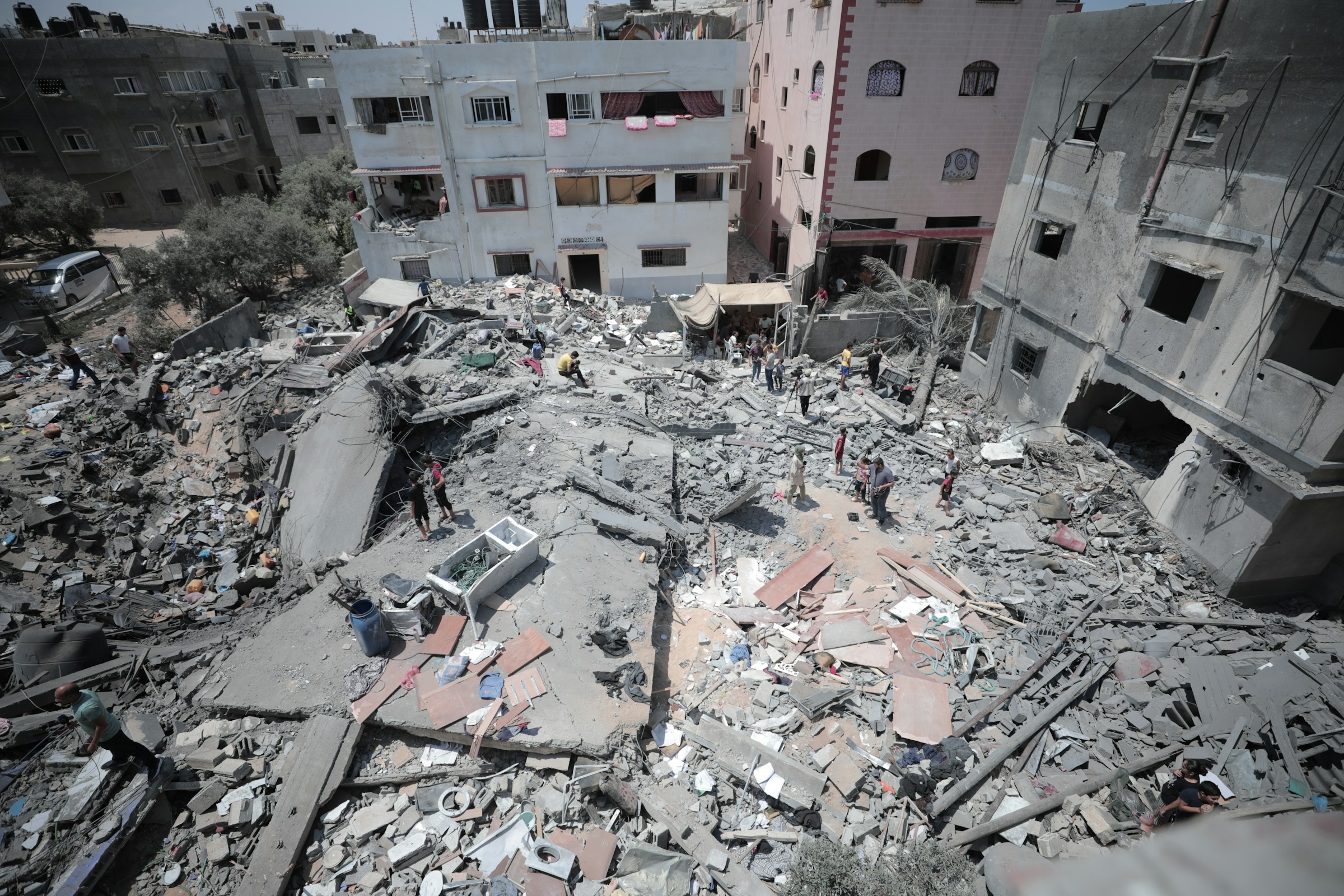
To understand the gravity of the cash crunch, one must look at the scale of the damage. Global institutions have projected that the total cost of rehabilitating the enclave could reach as high as $70 billion. The $17 billion originally sought by the administration was intended merely as a starting point to stabilize the economy and restore basic electricity and water services. With the Trump’s board of Peace currently holding less than $1 billion in its accounts, the possibility of starting even the most basic large-scale projects is nonexistent. Four-fifths of the buildings in the territory require some form of repair or total reconstruction, a task that requires a steady and reliable stream of capital.
Competing Interests in the Middle East
The struggle to fund the Gaza plan also reflects a broader shift in the administration’s priorities. While the Board of Peace remains the primary vehicle for this specific mission, the president’s team is simultaneously attempting to manage truces with Iran and navigate the complexities of the war in Ukraine. This multi-front diplomacy has stretched the administration’s political capital thin. In the absence of a clear and immediate success in Gaza, some partners are looking for more traditional avenues of influence, further isolating the work of Trump’s board of Peace.