
ISLAMABAD, Pakistan, April 10, 2026 — Brussels Morning Newspaper — Vance Pakistan talks have taken center stage in global diplomacy as tensions surge in the Middle East following intensified military actions in Lebanon. The high level engagement reflects growing urgency among world leaders to contain a rapidly evolving crisis that threatens regional and global stability.
The convergence of diplomatic efforts in Islamabad highlights Pakistan’s strategic importance in international relations. As military operations continue in Lebanon, these discussions are being closely monitored for signs of de escalation or further geopolitical shifts. The stakes are high, and the outcomes of Vance Pakistan talks may shape the direction of global diplomacy in the coming weeks.
Escalation in Lebanon Sparks Global Alarm
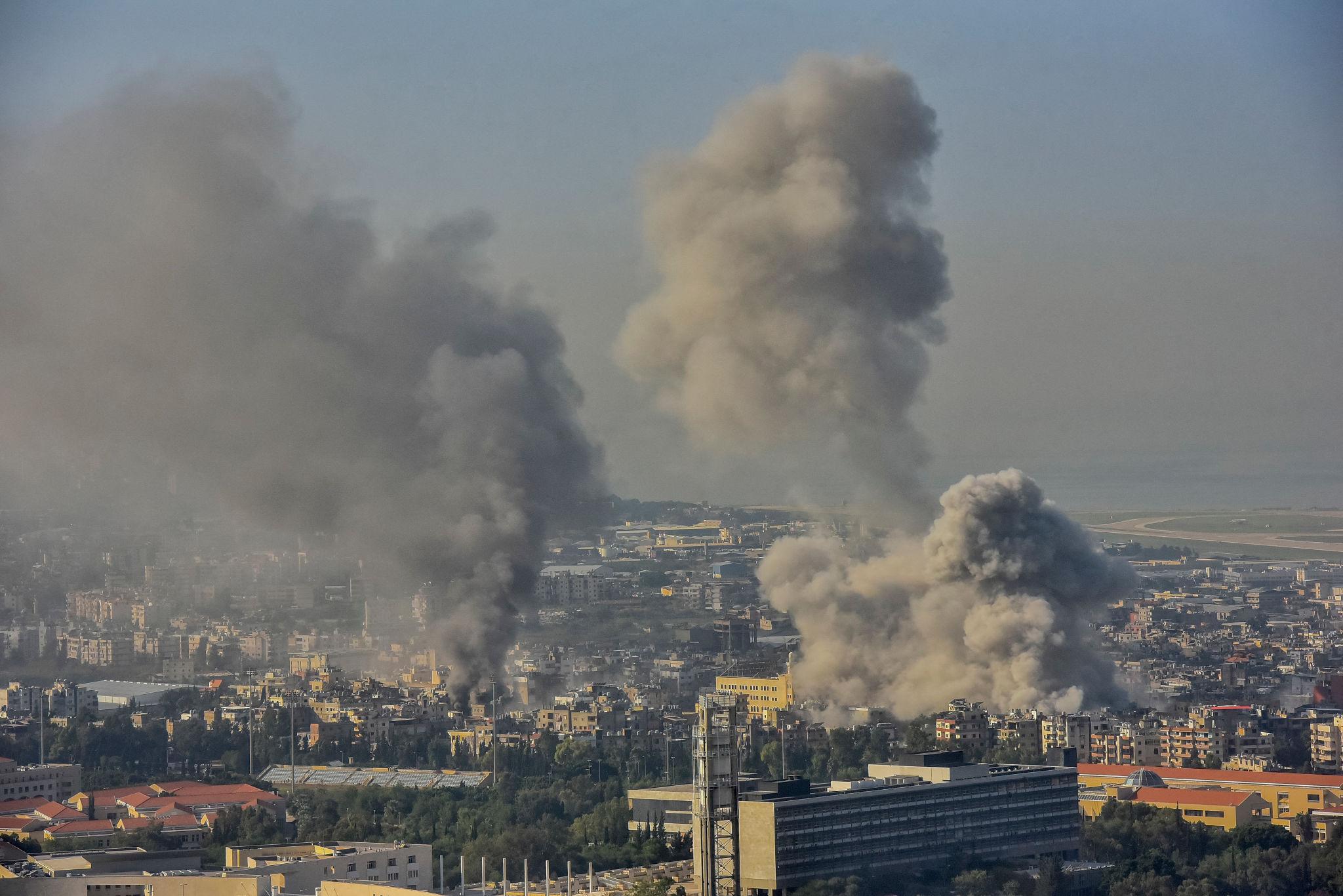
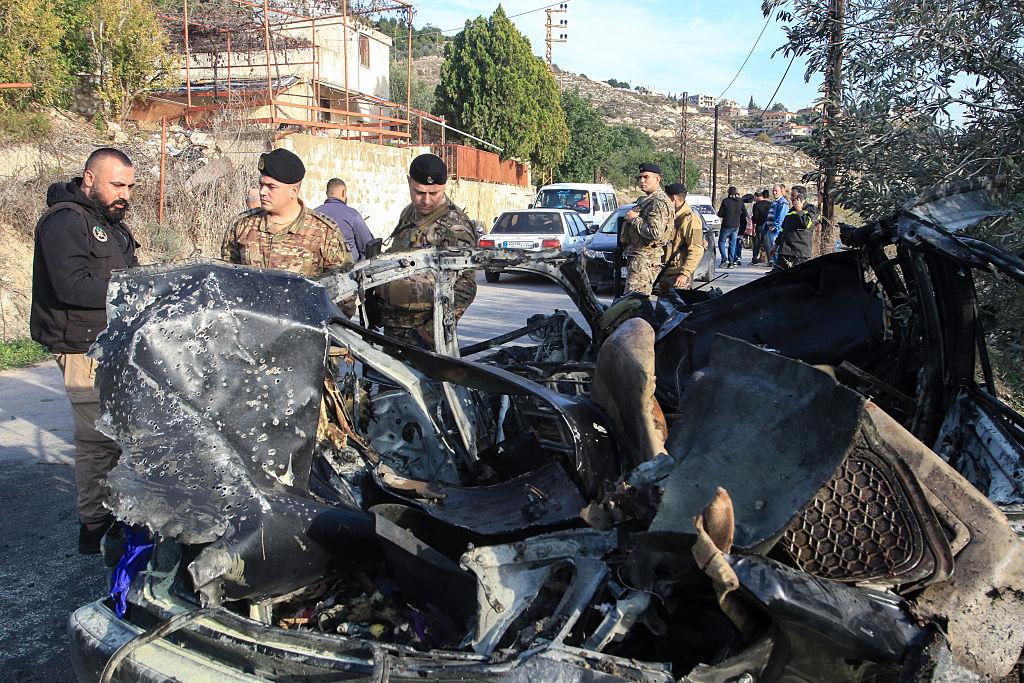
The ongoing military campaign in Lebanon has escalated significantly, with repeated airstrikes targeting key infrastructure and urban areas. The humanitarian toll continues to rise, with civilians bearing the brunt of the violence.
International observers note that the scale and intensity of the strikes have increased concerns about a broader regional conflict. This has amplified the importance of Vance Pakistan talks, as diplomatic channels are seen as critical to preventing further escalation.
A senior European official stated,
“The situation in Lebanon is approaching a tipping point, and immediate diplomatic intervention is essential to avoid a wider conflict.”
The urgency of the situation has prompted global powers to engage more actively in dialogue, seeking solutions that can stabilize the region before the crisis deepens further.
Why Islamabad Has Become a Diplomatic Hub
Islamabad’s emergence as a focal point for international diplomacy is no coincidence. Pakistan’s geopolitical position and longstanding relationships with key regional players make it an ideal venue for high level discussions.
The Vance Pakistan talks are leveraging these advantages to facilitate dialogue between stakeholders. Pakistan’s diplomatic channels provide access to multiple perspectives, enabling a more comprehensive approach to conflict resolution.
In recent years, Pakistan has played a role in mediating complex geopolitical issues, and its involvement in the current crisis underscores its growing influence on the global stage.
United States Strategy and Objectives
For the United States, the Vance Pakistan talks represent a strategic effort to engage key allies in addressing the escalating crisis. The discussions are focused on aligning policies, sharing intelligence, and coordinating responses to unfolding events.
One U.S. official emphasized,
“Diplomacy remains our strongest tool in preventing escalation and protecting civilian lives.”
The United States is also seeking to reinforce its presence in the region, ensuring that it remains a central player in shaping outcomes. By working closely with Pakistan, the U.S. aims to build a coalition capable of addressing both immediate and long term challenges.
Humanitarian Crisis Deepens
The humanitarian situation in Lebanon continues to deteriorate as essential services are disrupted and thousands of civilians are displaced. Access to food, water, and medical care has become increasingly limited.
Relief organizations are calling for urgent international support to address the growing needs of affected populations. The Vance Pakistan talks are expected to include discussions on coordinating humanitarian assistance and ensuring that aid reaches those most in need.
A regional aid coordinator noted,
“The scale of the crisis demands immediate and coordinated action from the international community.”
Efforts to provide relief are complicated by ongoing violence, highlighting the importance of diplomatic solutions in creating conditions for effective humanitarian response.
Economic Shockwaves and Energy Markets
The conflict in Lebanon has begun to impact global markets, particularly in the energy sector. Oil prices have experienced volatility as concerns grow over potential disruptions in supply routes.
The Vance Pakistan talks are taking place against this backdrop of economic uncertainty. Stability in the Middle East is critical to maintaining balanced energy markets, and any escalation could have far reaching consequences.
Analysts suggest that successful diplomatic efforts could help stabilize prices, while continued conflict may lead to further fluctuations and economic strain.
Regional Security and Broader Implications
The escalation in Lebanon has raised concerns about spillover effects in neighboring regions. Increased tensions could lead to instability across the Middle East, affecting global security dynamics.
Through the Vance Pakistan talks, both nations are exploring ways to enhance cooperation and mitigate risks. This includes strengthening intelligence sharing and developing strategies to prevent the spread of conflict.
The broader implications of these discussions extend beyond the immediate crisis, influencing long term security arrangements and alliances.
Global Reactions and Diplomatic Pressure
International reactions to the crisis have been mixed, with some countries calling for immediate ceasefires while others emphasize the need for sustained dialogue. The diversity of perspectives highlights the complexity of the situation.
The progress of Vance Pakistan talks is being closely watched by global leaders, as it may set a precedent for future diplomatic efforts. Increased pressure from the international community could play a role in encouraging constructive engagement among conflicting parties.
The involvement of multiple stakeholders underscores the global significance of the crisis and the need for coordinated action.
Historical Context of Regional Tensions
The current crisis in Lebanon is rooted in a long history of geopolitical tensions and conflicts in the Middle East. Understanding this context is essential to fully grasp the challenges involved in resolving the situation.
Over the decades, the region has experienced cycles of conflict and attempted reconciliation, with varying degrees of success. The Vance Pakistan talks are part of this ongoing narrative, representing another effort to navigate complex political dynamics.
Historical precedents suggest that sustained diplomatic engagement is key to achieving lasting peace, although the path forward is often fraught with obstacles.
The Road Ahead for Diplomacy
As discussions continue in Islamabad, the international community remains focused on the potential outcomes of Vance Pakistan talks. Key indicators include agreements on humanitarian aid, commitments to dialogue, and measures to reduce tensions.
The coming weeks will be critical in determining whether diplomatic efforts can succeed in stabilizing the situation. While challenges remain, there is cautious optimism that meaningful progress can be achieved.
The ability of global leaders to work together will play a decisive role in shaping the future of the region.
A Critical Moment for Global Stability
The convergence of diplomatic efforts in Islamabad marks a pivotal moment in addressing one of the most pressing crises of 2026. The Vance Pakistan talks represent a concerted effort to bring stability to a volatile region and prevent further escalation.
As the world watches closely, the decisions made during these discussions will have far reaching implications for international relations and global security. The importance of diplomacy has never been more evident, and the outcomes of these talks may define the trajectory of the crisis.