The nationally televised address immediately triggered diplomatic responses from Washington, Tel Aviv, European capitals, and regional governments. Analysts say the tone of the speech underscores the fragile geopolitical environment in 2026, where military signaling and political messaging intersect in complex ways.
Address from Tehran Signals Escalating Rhetoric
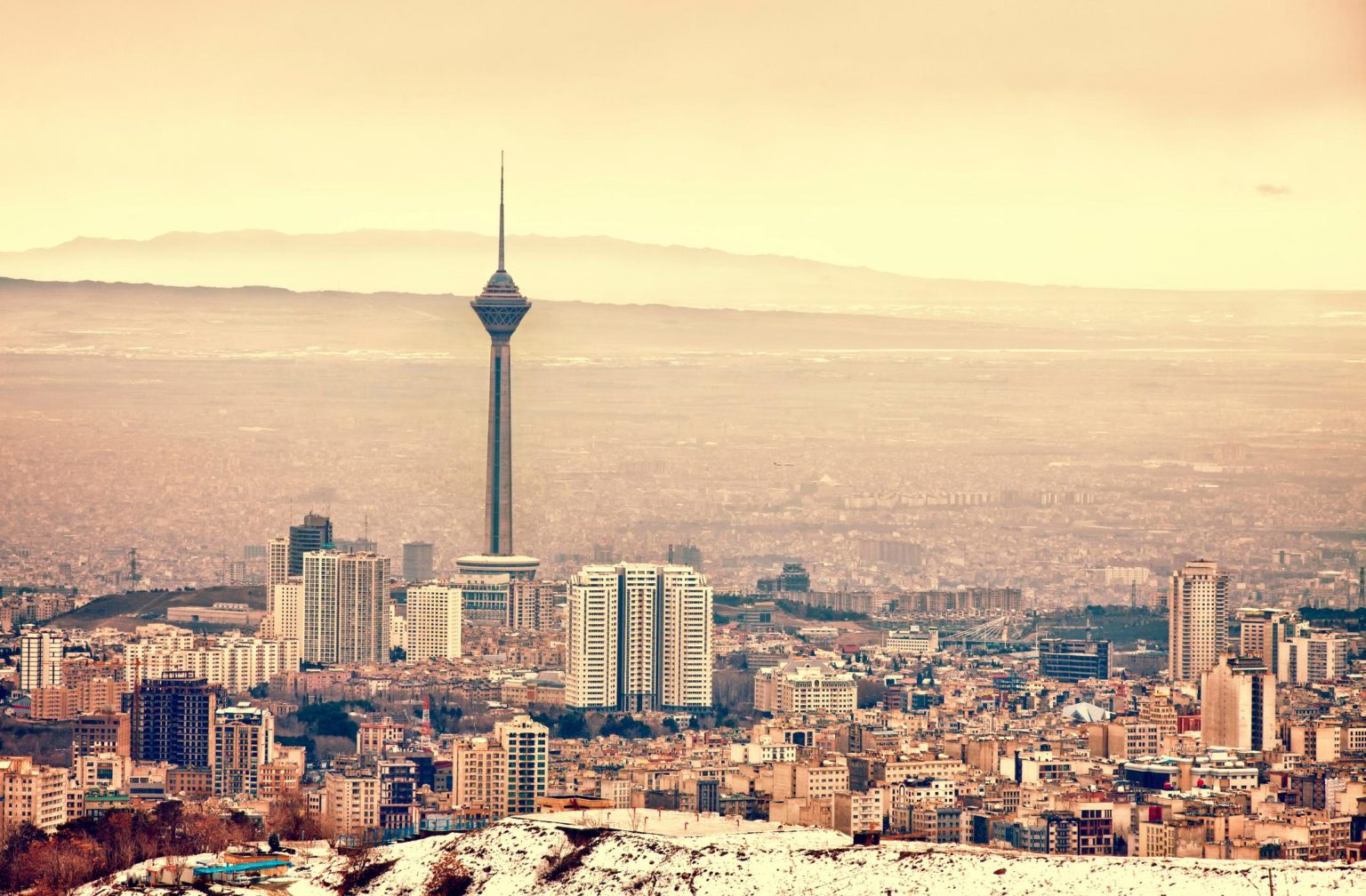
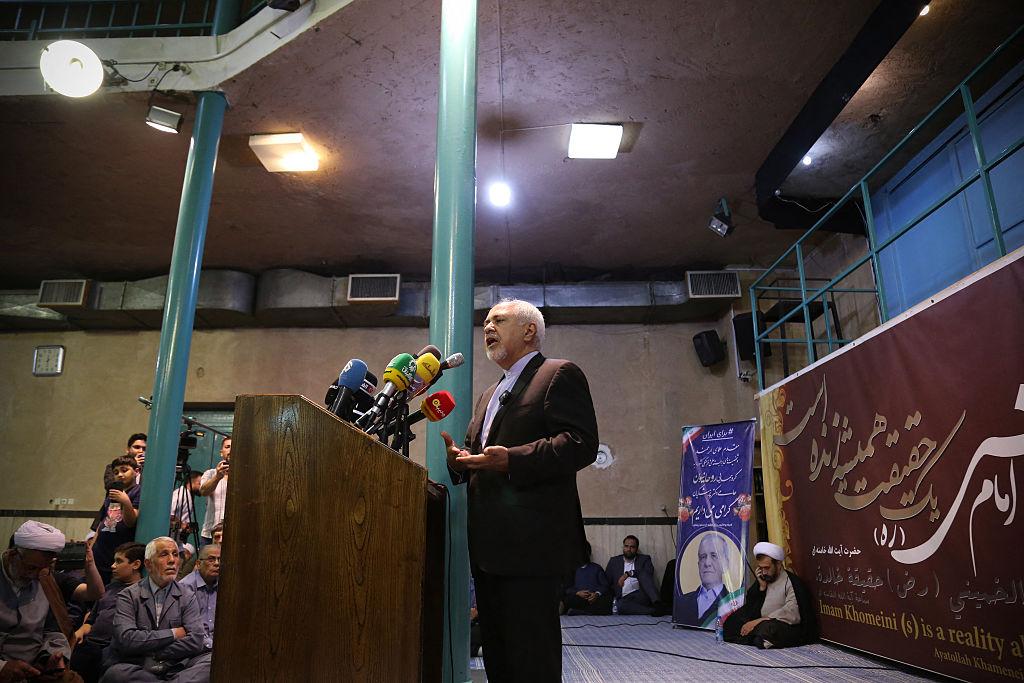
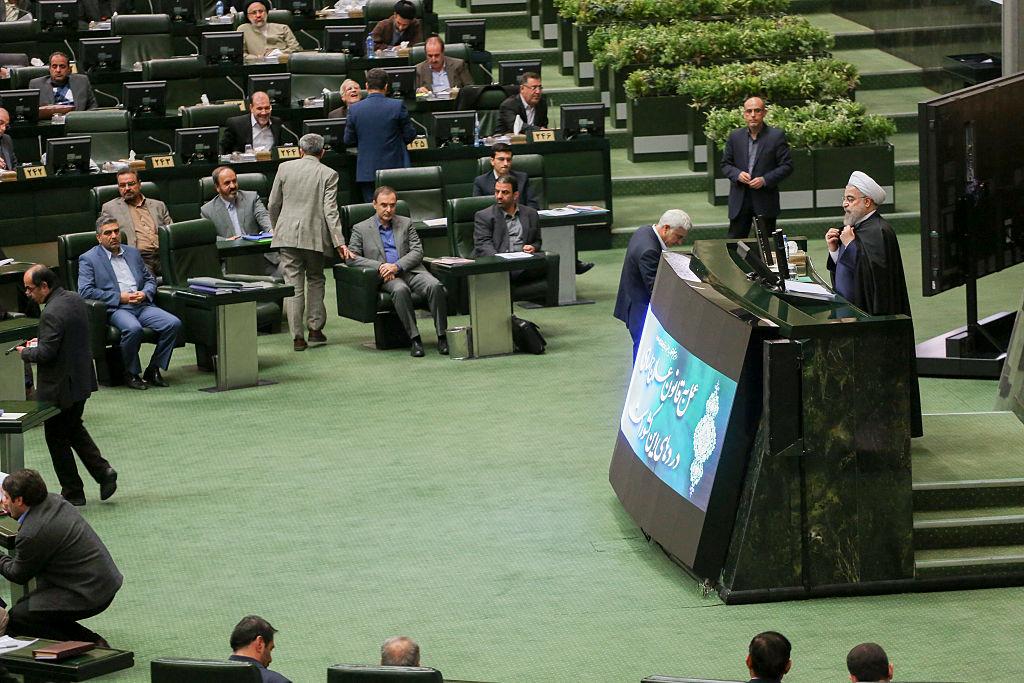
Masoud Pezeshkian delivered his remarks before lawmakers and senior officials during a special parliamentary session. Security was heightened across Tehran as international media monitored developments.
During the speech, Pezeshkian says US Israeli attacks are not isolated actions but part of what he characterized as a coordinated strategy affecting national sovereignty. The statement marked one of the strongest public condemnations issued by Iran’s leadership this year.
“These actions are not isolated maneuvers but a direct challenge to our national security and regional stability,”
he declared, drawing sustained applause from supporters inside the chamber.
The language was measured but firm, combining legal argument with strategic positioning. Observers noted that while the rhetoric was sharp, no formal declaration of war was issued.
Immediate Diplomatic Reaction from Washington and Tel Aviv
Officials in Washington and Tel Aviv responded within hours. Statements from both governments rejected the characterization presented in Tehran and emphasized defensive intent.
American officials stressed that operations were limited in scope and focused on specific security objectives. Israeli leaders echoed similar themes, stating that national defense considerations guided recent decisions.
Even so, the phrase Pezeshkian says US Israeli attacks quickly dominated global headlines, fueling debate over whether rhetoric could translate into further escalation.
A senior Western diplomat commented,
“Escalatory language increases the risk of miscalculation at a time when regional stability is already under strain.”
Regional Governments Urge De Escalation
Across the Gulf and broader Middle East, foreign ministries convened urgent consultations. Several governments issued statements calling for restraint and reaffirming the importance of dialogue.
Energy producing states expressed concern about potential instability affecting shipping corridors and supply routes. Markets reacted cautiously, reflecting uncertainty about the trajectory of events.
As Pezeshkian says US Israeli attacks continued to circulate in global discourse, regional leaders sought to balance diplomatic relationships while discouraging any actions that might widen the confrontation.
A Gulf foreign minister stated,
“Stability in this region is a shared responsibility. All parties must exercise wisdom.”
Military Analysts Evaluate Strategic Implications
Defense experts emphasize that rhetoric alone does not constitute armed conflict, yet public statements can shape strategic perceptions. Increased naval patrols and air defense readiness have been observed in certain sensitive areas.
Security specialists note that when Pezeshkian says US Israeli attacks in such direct terms, it can influence domestic political narratives and international security calculations simultaneously.
Cybersecurity analysts also warn that modern conflicts extend beyond conventional military actions. Digital infrastructure, information systems, and cyber operations may become part of broader strategic responses.
Despite these risks, experts point out that back channel communication often remains active during periods of heightened rhetoric.
Economic Impact and Energy Market Sensitivity
Global oil markets experienced short term volatility following the speech. Traders assessed potential risks to energy infrastructure and maritime transport routes.
Financial analysts indicated that sustained tension linked to Pezeshkian says US Israeli attacks could impact investor confidence in emerging markets. Insurance premiums for certain shipping routes also saw temporary adjustments.
However, economists suggest that absent direct disruptions, markets may stabilize as diplomatic efforts continue. Energy dependent nations in Europe and Asia are closely monitoring developments given the strategic significance of the region.
Domestic Political Dynamics Within Iran
Inside Iran, the address carried significant political weight. Supporters portrayed the speech as a necessary defense of national sovereignty.
Reform oriented voices urged caution, emphasizing the economic pressures already facing households. Inflation and currency stability remain sensitive issues for many citizens.
By declaring that Pezeshkian says US Israeli attacks mark a turning point, the administration reinforced a narrative of unity and resilience. Public gatherings in Tehran reflected a mixture of patriotism and concern about potential consequences.
Political analysts believe the speech may consolidate domestic support in the short term while leaving room for diplomatic maneuvering.
Diplomatic Channels Remain Open
Despite sharp rhetoric, diplomatic engagement continues behind the scenes. European intermediaries and regional actors are facilitating communication aimed at reducing tension.
Experts emphasize that even when Pezeshkian says US Israeli attacks in firm language, negotiations may proceed quietly through established channels.
A European envoy remarked,
“History shows that dialogue often continues even during moments of public confrontation.”
International organizations have called on all parties to adhere to international law and prioritize de escalation.
Media Amplification and Information Flow
Modern geopolitical crises unfold rapidly across digital platforms. Within minutes of the speech, social media carried the phrase Pezeshkian says US Israeli attacks to audiences worldwide.
Information analysts warn that rapid dissemination can heighten emotional responses before comprehensive context is established. Governments are increasingly aware of how digital narratives influence policy debates.
Responsible journalism and verification are essential in preventing misinformation from compounding tensions during sensitive periods.
Historical Context of Iran US Israel Relations
Relations between Iran, the United States, and Israel have been shaped by decades of ideological rivalry and strategic competition. Episodes of confrontation have alternated with indirect negotiation and diplomatic engagement.
Past crises have included sanctions regimes, proxy conflicts, covert operations, and limited military exchanges. While tensions have occasionally escalated, sustained large scale warfare has largely been avoided through calculated restraint.
The current episode adds another chapter to this complex history. When Pezeshkian says US Israeli attacks represent a decisive moment, it echoes longstanding grievances embedded in regional geopolitics.
International Law and Sovereignty Debate
Legal scholars are examining the competing claims surrounding recent military actions. Central questions include proportionality, self defense, and the protection of sovereignty under international law.
Tehran argues that its territorial integrity has been challenged. Western officials maintain that actions fall within established legal frameworks.
The discourse surrounding Pezeshkian says US Israeli attacks illustrates how legal interpretations often align with political narratives during periods of crisis.
Global Security Implications Beyond the Region
The Middle East occupies a strategic position in global trade and energy supply chains. Any sustained instability could affect economies far beyond regional borders.
Asian and European governments are evaluating contingency plans should tensions intensify. Defense planners are closely monitoring developments.
While Pezeshkian says US Israeli attacks has intensified diplomatic friction, analysts caution that escalation is not inevitable. Much will depend on restraint and strategic calculation.
Voices from the International Community
Global leaders have issued measured statements emphasizing caution. The United Nations Secretary General called for immediate de escalation and renewed diplomatic engagement.
An international policy expert observed,
“Strong rhetoric must not close the door to negotiation.”
A regional security analyst added,
“Public declarations can mobilize domestic audiences, but sustainable peace requires compromise.”
These perspectives underscore the delicate balance between signaling resolve and maintaining diplomatic flexibility.
Strategic Calculations in 2026
Geopolitical landscapes can shift rapidly. Developments in Tehran in 2026 illustrate how regional events intersect with global alliances and energy markets.
As Pezeshkian says US Israeli attacks continue to shape public discourse, governments are weighing domestic expectations against international responsibilities.
Strategic restraint combined with credible communication may determine whether the crisis stabilizes or escalates.
Beyond Rhetoric Stability or Confrontation
The coming weeks will reveal whether the present episode becomes a prolonged confrontation or transitions into diplomatic engagement.
While Pezeshkian says US Israeli attacks has sharpened tensions, history suggests that even severe crises can evolve into negotiation phases when mutual risks are recognized.
For now, international observers remain vigilant. Stability in the Middle East remains a matter of global concern, with implications extending into economic, political, and security domains worldwide.
Governments and institutions continue encouraging dialogue, aware that measured leadership and sustained communication are essential to preventing further escalation in 2026.