
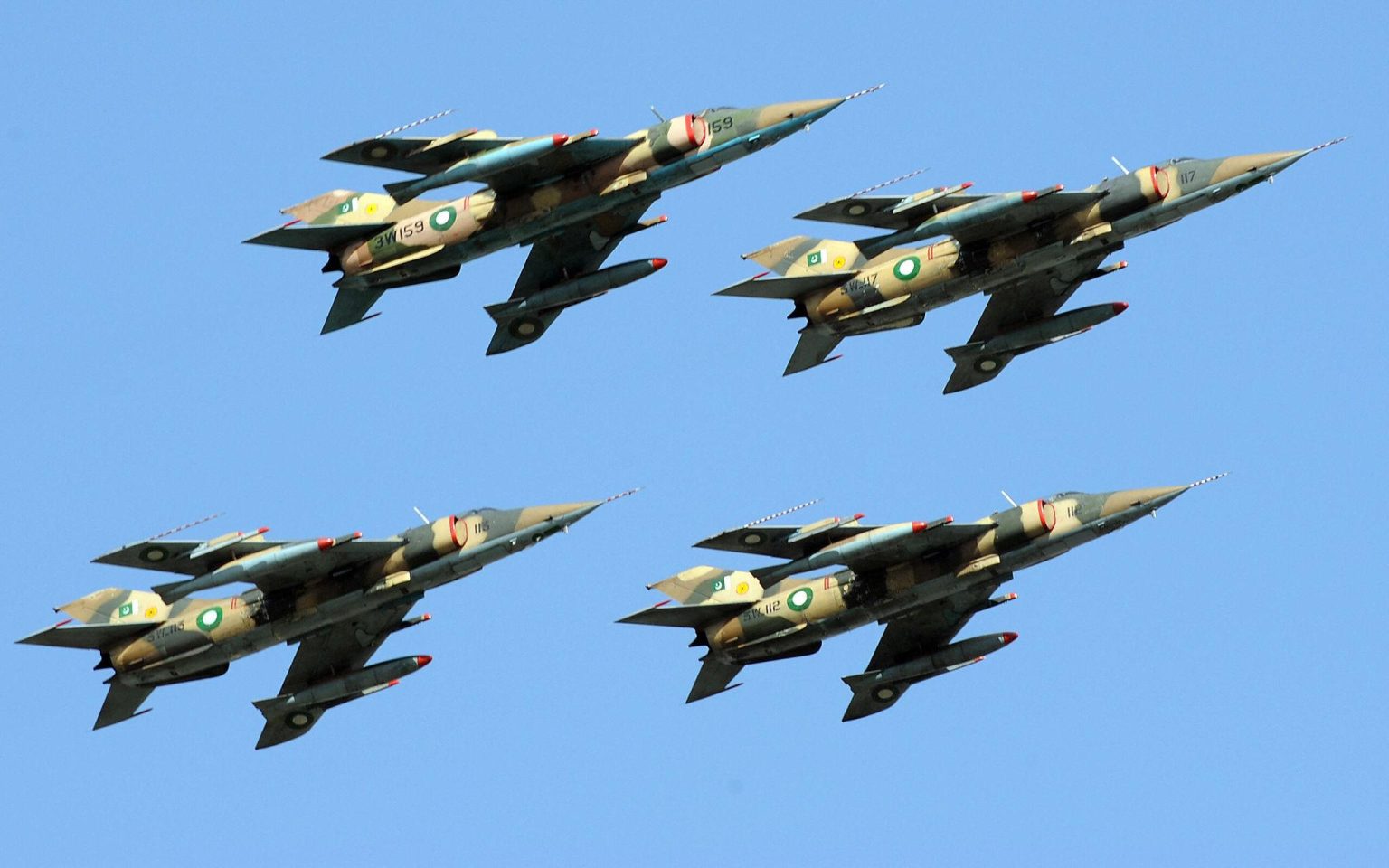
ISLAMABAD/KABUL — February 27, 2026 — According to Brussels Morning Newspaper, the Afghanistan Pakistan live crisis intensified today as Islamabad confirmed it had intercepted and downed suspected Taliban drones following cross border military action near Kabul. The 2026 escalation has drawn urgent regional attention, with both governments issuing firm statements and international observers calling for restraint.
The Afghanistan Pakistan live developments mark one of the most visible military confrontations between the two neighbors in recent months. Officials in Islamabad described the drone interceptions as defensive measures, while Kabul rejected allegations of any coordinated aerial activity targeting Pakistan.
Diplomatic channels remain active, yet public rhetoric has sharpened. Analysts say the coming days will determine whether this episode leads to de escalation or a prolonged period of tension.
Immediate Military Developments
Pakistan’s defense authorities stated that radar systems detected unmanned aerial vehicles crossing monitored airspace late Wednesday night. Air defense units were deployed, and officials later announced that the drones were neutralized before reaching sensitive sites.
Military spokespeople framed the action as a response to intelligence assessments suggesting imminent threats. Islamabad emphasized that national security considerations guided its decision.
In Kabul, government representatives denied authorizing any drone activity directed at Pakistan. Afghan officials characterized Islamabad’s claims as politically motivated and urged international observers to examine the evidence independently.
The Afghanistan Pakistan live situation remains fluid, with neither side releasing detailed technical data publicly. Analysts note that such incidents often unfold in stages, as additional information emerges through diplomatic or intelligence channels.
Strategic Context Behind the Escalation
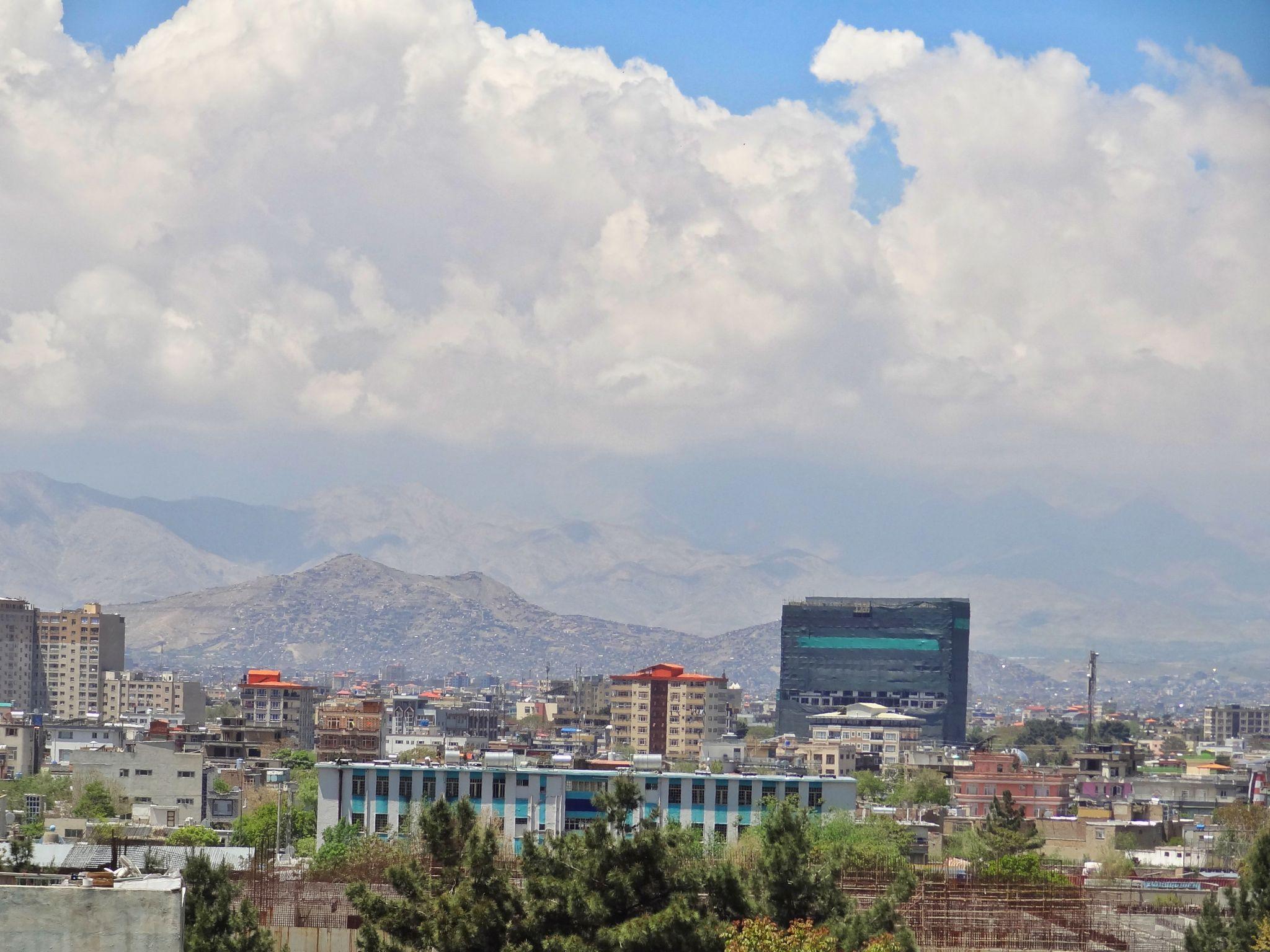
Relations between Islamabad and Kabul have long been shaped by security concerns along their shared border. Militancy, smuggling routes, and territorial disputes have periodically strained cooperation.
The Afghanistan Pakistan live escalation unfolds against this complex historical background. Experts argue that existing mistrust increases the risk of rapid escalation when incidents occur.
Border management has been a recurring challenge. While official crossings such as Torkham facilitate trade, unauthorized routes have historically enabled militant movements. Each government has at times accused the other of insufficient enforcement.
In this environment, even limited military engagements carry symbolic weight. Public acknowledgment of drone interceptions signals capability and resolve, but it also intensifies scrutiny.
Drone Technology and Modern Conflict
The increasing use of drones has transformed regional security calculations. Unmanned systems offer surveillance reach and tactical flexibility, yet they complicate attribution.
Defense analysts following the Afghanistan Pakistan live crisis suggest that technological advancements shorten response times. Automated detection systems can trigger rapid defensive actions.
“Stability in a high tension environment depends on disciplined communication and verified intelligence,”
said one regional security analyst. This assessment reflects concerns that misinterpretation could escalate the situation further.
Experts stress that modern aerial engagements differ from traditional air combat. Drone incidents often occur without direct pilot involvement, raising unique legal and diplomatic questions.
Civilian Impact and Border Communities
Communities near the border remain alert as developments continue. Residents reported increased security patrols and heightened inspections at crossing points.
Local traders expressed concern about potential disruptions to commerce. Cross border exchange plays a significant role in sustaining livelihoods in both countries.
Humanitarian organizations have not confirmed widespread displacement, but contingency planning is underway. Civil society leaders have urged calm, emphasizing the importance of verified information.
The Afghanistan Pakistan live tension has also influenced transportation schedules, with some freight operators temporarily adjusting routes as a precaution.
Diplomatic Reactions and International Attention
Several regional governments issued statements urging both sides to exercise restraint. International institutions emphasized the importance of dialogue and transparency.
Diplomatic sources suggest that informal communication channels remain open. While public messaging has been firm, private discussions may help clarify misunderstandings.
Foreign policy observers note that South Asia’s geopolitical environment is interconnected. Instability between Islamabad and Kabul can affect broader strategic alignments.
The Afghanistan Pakistan live developments are being closely monitored by global security analysts, who warn that sustained escalation could disrupt trade corridors and security frameworks.
Political Messaging in Islamabad
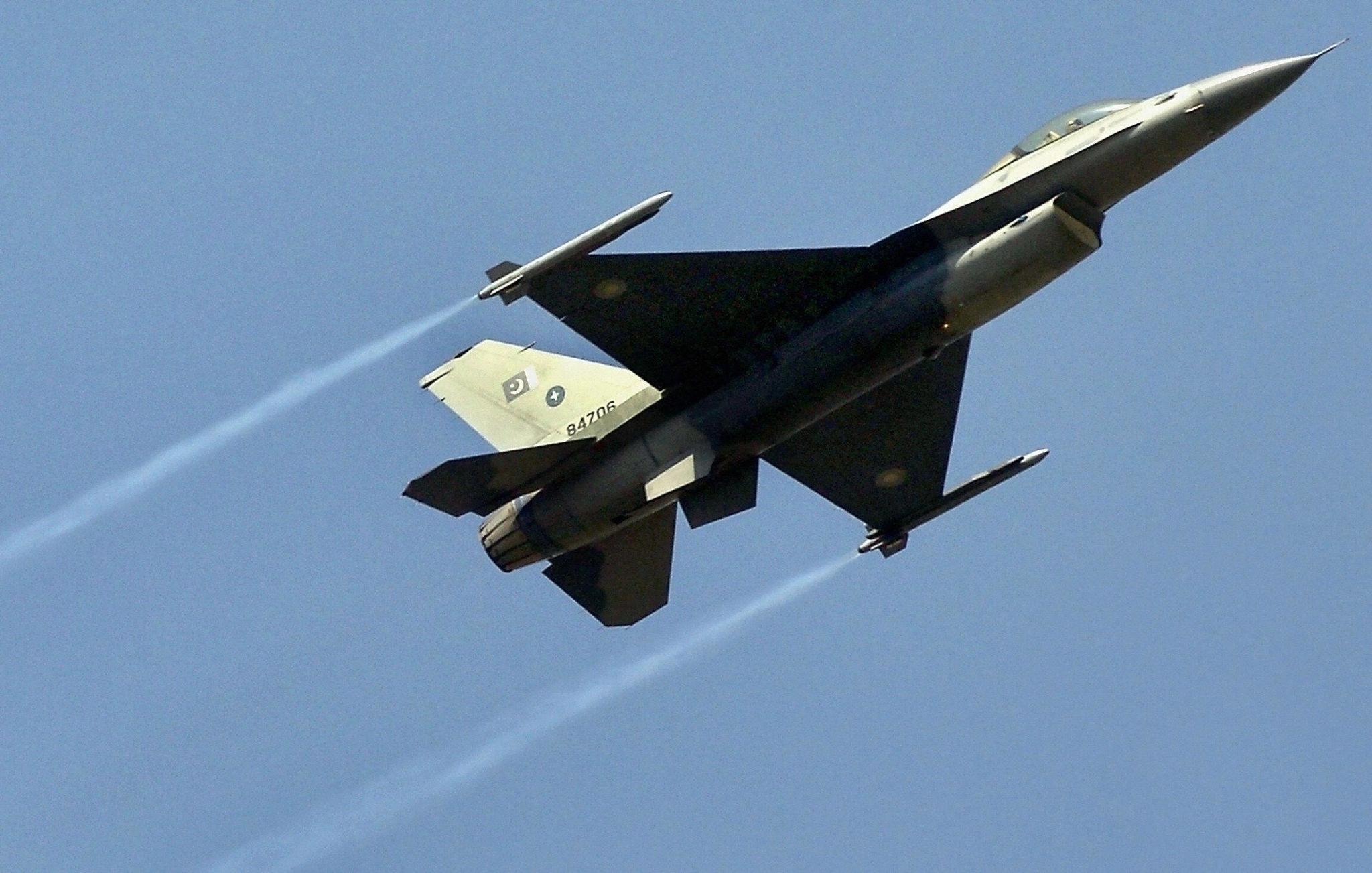
Officials in Islamabad presented the drone interceptions as necessary defensive actions. Government representatives emphasized technological preparedness and national sovereignty.
Political commentators argue that domestic audiences influence official narratives. Demonstrating responsiveness to perceived threats can reinforce public confidence in leadership.
One senior official stated, “Our response was measured and proportionate, aimed solely at protecting national security.” The statement reflects Islamabad’s framing of the incident.
Observers suggest that while firm language reassures constituents, it may also complicate diplomatic flexibility if tensions persist.
Kabul’s Position and Response
Afghan authorities firmly denied any state directed drone operations. Kabul emphasized its commitment to sovereignty and regional stability.
Government representatives called for independent verification of the incident. Afghan officials also urged restraint in public commentary, cautioning against speculation.
The Afghanistan Pakistan live situation has intensified domestic debate within Afghanistan as well. Political factions differ in their interpretation of Islamabad’s actions.
Some Afghan analysts argue that the episode underscores the need for renewed bilateral security dialogue, particularly concerning border management mechanisms.
Economic Implications and Market Signals
Financial markets in the region responded cautiously. While no immediate large scale economic disruption occurred, investors remain attentive.
Trade between Afghanistan and Pakistan includes agricultural goods, construction materials, and consumer products. Any prolonged instability could increase transaction costs.
Economists note that investor confidence often depends on signals of de escalation. Sustained diplomatic engagement could stabilize market sentiment.
Transportation companies reported minor delays as security inspections intensified. However, authorities on both sides indicated that trade routes remain operational.
Media Environment and Information Flow
The Afghanistan Pakistan live crisis has unfolded rapidly across digital platforms. News outlets provided continuous updates, amplifying official statements.
Media experts emphasize the importance of accuracy during security incidents. Rapid dissemination of unverified claims can contribute to confusion.
Social media platforms have seen increased discussion, with citizens sharing updates and commentary. Authorities urged the public to rely on verified sources.
Responsible reporting remains essential to maintaining stability during high tension periods.
Regional Security Calculations
Strategic analysts observe that both Islamabad and Kabul face complex security challenges beyond bilateral relations. Internal security concerns and economic pressures influence policy decisions.
Maintaining stability along the shared border is in the mutual interest of both nations. Sustained confrontation could divert resources from domestic priorities.
The Afghanistan Pakistan live escalation highlights the interconnected nature of regional security. Actions taken by one government inevitably influence perceptions in neighboring states.
International security experts recommend reinforcing confidence building measures such as military hotlines and joint monitoring initiatives.
History of Afghanistan Pakistan Border Tensions
The Afghanistan Pakistan border has long been a focal point of political and security disputes. The Durand Line, established during the colonial era, remains a sensitive issue.
Over decades, cross border militancy and shifting political dynamics have shaped bilateral relations. Periodic clashes and diplomatic stand offs have occurred, often linked to internal developments within each country.
The current Afghanistan Pakistan live episode reflects longstanding structural challenges. Historical grievances and security anxieties continue to influence contemporary policy decisions.
While previous crises have eventually subsided through negotiation, each incident leaves lasting implications for trust and cooperation.
Prospects for De escalation
Diplomatic pathways remain available despite public firmness. Both governments have previously participated in dialogue aimed at stabilizing border regions.
Confidence building measures could include joint investigations or third party facilitation. Transparent communication may help clarify disputed claims.
Regional observers emphasize that sustained escalation would impose economic and political costs on both sides. Incentives for stability therefore remain strong.
The Afghanistan Pakistan live crisis may ultimately encourage renewed security cooperation if leaders prioritize long term interests over short term rhetoric.

Broader Geopolitical Implications
South Asia occupies a strategically significant position in global trade and security networks. Developments between Islamabad and Kabul resonate beyond their immediate borders.
Neighboring states are monitoring the situation closely. Strategic partnerships and regional initiatives could be influenced by prolonged instability.
Security analysts stress that preventing escalation serves not only bilateral interests but also broader regional stability.
The Afghanistan Pakistan live episode underscores the importance of disciplined crisis management in a technologically advanced era.
Stability at a Crossroads in 2026
As 2026 unfolds, the Afghanistan Pakistan live tensions present a critical test of diplomatic resilience. Military readiness remains high, but so does the opportunity for constructive engagement.
Both Islamabad and Kabul face decisions that will shape bilateral relations in the months ahead. Clear communication, verification of claims, and sustained dialogue will be essential.
While rhetoric has sharpened, historical precedent suggests that negotiation remains possible. Regional stakeholders continue to encourage restraint.
The coming weeks will reveal whether this episode becomes a prolonged confrontation or a catalyst for renewed diplomatic effort. For now, the focus remains on preventing further escalation and preserving stability in a region where security dynamics can shift rapidly.