
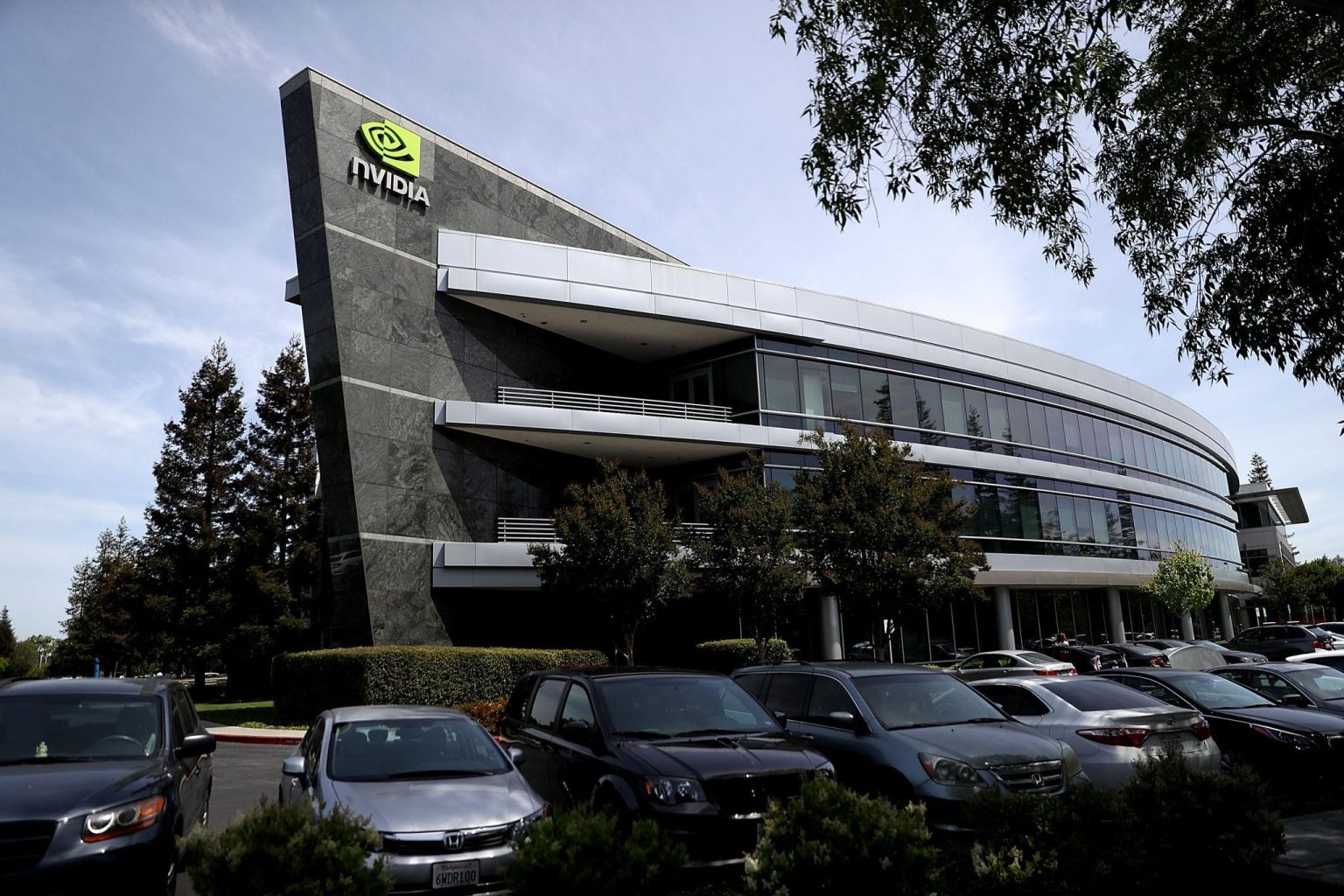
SAN FRANCISCO, United States – February 27, 2026 — Brussels Morning Newspaper — The Nvidia AI strategy is reshaping the global artificial intelligence landscape as demand for high performance computing accelerates across industries. In 2026, Silicon Valley stands at the center of a rapidly evolving digital economy where infrastructure, advanced semiconductors, and enterprise AI platforms converge. From data centers to multinational cloud providers, Nvidia’s roadmap reflects a decisive shift toward scalable AI ecosystems that underpin business innovation worldwide.
Industry executives, policymakers, and financial analysts agree that artificial intelligence has entered a new phase of maturity. Within that context, the Nvidia AI strategy is emerging as a cornerstone of long term infrastructure development, influencing capital flows, enterprise adoption, and international technology partnerships.
A Strategic Pivot Toward Infrastructure Dominance
The Nvidia AI strategy has evolved beyond its early association with gaming graphics processors. Over the past decade, the company transformed itself into a dominant supplier of AI optimized hardware. In 2026, that transformation is evident in nearly every major cloud data center expansion.
Artificial intelligence workloads require specialized processors capable of handling massive datasets and parallel computations. Nvidia’s architecture, designed specifically for AI training and inference, positions the company at the center of this transformation. As global enterprises expand automation and predictive analytics, computing power becomes essential infrastructure rather than optional enhancement.
This infrastructure first approach defines the Nvidia AI strategy today. Rather than chasing short term trends, the company continues refining core chip performance, energy efficiency, and interconnect capabilities that allow massive clusters to operate seamlessly.
Data Centers Powering the AI Economy
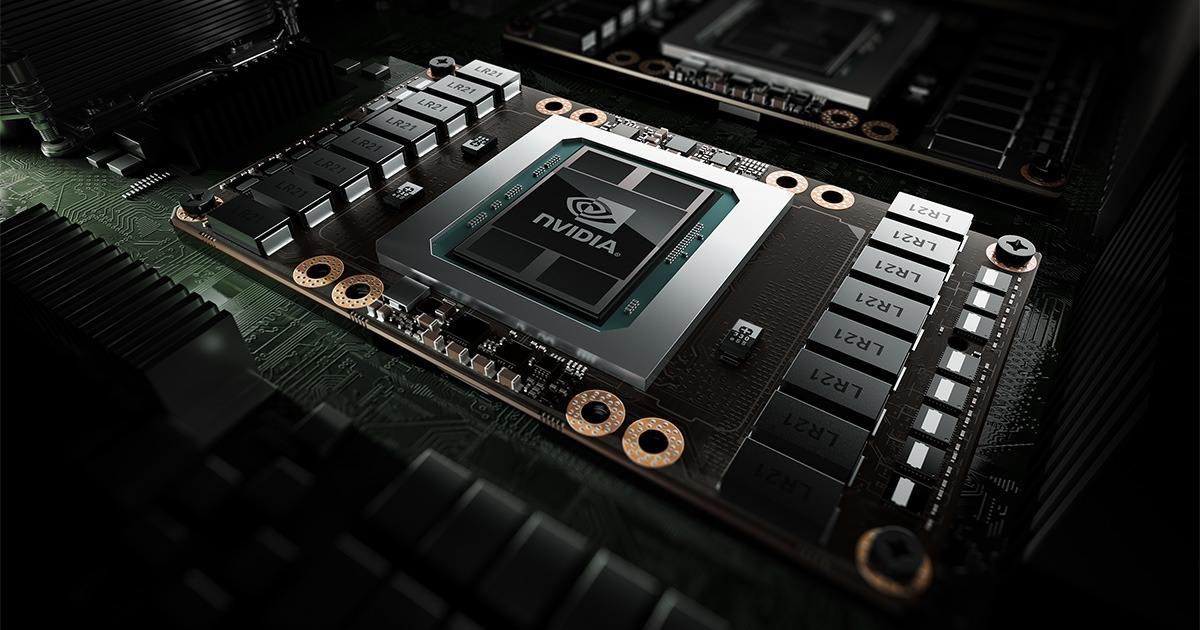
Across North America, Europe, and Asia, new data centers are being constructed to accommodate expanding artificial intelligence workloads. The Nvidia AI strategy is deeply embedded in these developments, as hyperscale cloud providers integrate advanced GPUs into server architectures.
From healthcare analytics to financial modeling and autonomous systems, AI powered platforms rely on the computational intensity of Nvidia processors. Analysts note that sustained demand for generative models and enterprise automation has driven record investments in AI infrastructure.
By aligning hardware releases with cloud deployment cycles, the Nvidia AI strategy ensures that next generation chips are integrated into major data center rollouts. This synchronization reinforces Nvidia’s long term revenue stability while strengthening ecosystem dependence.
Partnerships Strengthening Market Reach
Strategic partnerships form another critical layer of the Nvidia AI strategy. Collaboration with leading cloud providers allows optimized deployment of machine learning platforms at scale. Enterprise software developers integrate Nvidia acceleration frameworks into applications ranging from logistics to cybersecurity.
A senior technology executive in Silicon Valley stated,
“The Nvidia AI strategy reflects a disciplined focus on foundational computing power that enterprises can trust for the long term.”
The statement underscores how industry leaders view Nvidia not merely as a chip supplier but as a strategic infrastructure partner.
Such alliances enhance Nvidia’s influence across sectors. As artificial intelligence adoption expands, integrated ecosystems reduce deployment complexity for businesses and public institutions alike.
Financial Markets and Investor Confidence
Financial markets continue reacting strongly to signals tied to AI infrastructure growth. Semiconductor valuations have been closely linked to demand for data center capacity. The Nvidia AI strategy remains central to investor discussions about the sustainability of artificial intelligence expansion.
Market analysts observe that enterprise AI spending has transitioned from experimental budgeting to operational necessity. As organizations deploy machine learning for forecasting, automation, and customer engagement, hardware demand rises accordingly.
Institutional investors interpret Nvidia’s roadmap as a reflection of long term confidence in AI adoption trends. By maintaining leadership in high performance computing, Nvidia secures a pivotal role in the broader digital economy.
Competitive Dynamics in the Semiconductor Sector
While Nvidia maintains significant dominance in AI acceleration, competition continues intensifying. Semiconductor firms worldwide are investing heavily in research and development aimed at narrowing performance gaps.
Despite these efforts, the Nvidia AI strategy benefits from years of architectural refinement and ecosystem cultivation. Developers have built countless frameworks optimized for Nvidia hardware, creating switching costs that reinforce customer loyalty.
Moreover, supply chain relationships and global manufacturing partnerships provide resilience against disruptions. The Nvidia AI strategy incorporates diversification measures designed to mitigate geopolitical and logistical risks.

Workforce Expansion and Research Investment
Talent acquisition and research funding represent vital pillars of Nvidia’s expansion. Engineering teams across Silicon Valley and international research centers are focused on pushing computational boundaries.
The Nvidia AI strategy includes substantial investment in university collaborations and developer training initiatives. By supporting academic partnerships, Nvidia nurtures future innovators who will shape AI architectures for years to come.
Workforce development also strengthens regional economies. Job creation in semiconductor engineering, data science, and infrastructure design contributes to sustained economic growth in technology hubs worldwide.
Energy Efficiency and Sustainability Initiatives
As artificial intelligence workloads increase, concerns about energy consumption intensify. Data centers require significant power to maintain high performance clusters.
The Nvidia AI strategy addresses these concerns through continuous improvements in efficiency per watt and advanced cooling technologies. Engineers focus on optimizing performance without proportionally increasing energy demands.
Environmental analysts highlight that sustainable AI infrastructure will become a competitive differentiator. Companies capable of delivering scalable yet efficient computing solutions will gain strategic advantage in global markets.
Regulatory Landscape and Policy Considerations
Artificial intelligence infrastructure intersects with national security, economic competitiveness, and regulatory oversight. Governments are evaluating semiconductor supply chains to ensure resilience and innovation capacity.
Within this framework, the Nvidia AI strategy aligns with broader technology policy discussions. Access to advanced AI hardware influences research capabilities, defense modernization, and industrial productivity.
Policymakers emphasize that stable supply chains and international collaboration remain essential to maintaining technological leadership. Nvidia’s global partnerships position it as a key participant in these discussions.
From Graphics Processing to AI Acceleration
The Nvidia AI strategy builds upon decades of innovation in parallel processing. Originally recognized for gaming graphics, Nvidia identified early opportunities in machine learning acceleration.
As neural networks grew more complex, researchers discovered that graphics processors could efficiently handle matrix computations required for AI training. Nvidia capitalized on this realization, refining architectures specifically for artificial intelligence tasks.
This historical pivot laid the groundwork for today’s infrastructure dominance. By investing early in specialized acceleration capabilities, Nvidia positioned itself ahead of many competitors entering the AI hardware market later.
Enterprise Transformation Across Industries
The Nvidia AI strategy influences diverse sectors including healthcare, finance, manufacturing, and transportation. Hospitals use AI acceleration to analyze imaging data. Financial institutions deploy predictive models for risk assessment. Manufacturers integrate machine learning into production optimization.
Industry leaders recognize that scalable computing capacity determines the pace of innovation. Nvidia’s integration into these verticals reflects the broad applicability of advanced processors.
A senior enterprise software architect noted,
“Without reliable acceleration hardware, large scale AI deployment would stall.”
The comment highlights how infrastructure underpins digital transformation initiatives globally.
Capital Allocation and Venture Ecosystems
Venture capital activity increasingly correlates with infrastructure advancements. Startups developing AI applications often design products around established hardware standards.
The Nvidia AI strategy indirectly shapes funding decisions as investors evaluate compatibility with dominant computing ecosystems. When infrastructure providers expand capacity, downstream innovation accelerates.
Global venture firms interpret Nvidia’s long term roadmap as a signal that AI driven applications will remain central to digital economies for the foreseeable future.
Geopolitical Dimensions of Semiconductor Leadership
Semiconductor production intersects with international trade dynamics and geopolitical strategy. Nations seek to secure domestic manufacturing capacity while maintaining global partnerships.
The Nvidia AI strategy navigates this complex environment through diversified production networks and collaborative research initiatives. Maintaining balanced international relationships helps mitigate disruptions linked to trade tensions.
Technology policy experts emphasize that semiconductor resilience remains vital to economic stability. Infrastructure investments tied to AI computing reinforce broader industrial competitiveness.
Research Breakthroughs and Architectural Innovation
Continuous innovation remains central to Nvidia’s forward trajectory. Research teams explore advanced packaging techniques, memory bandwidth enhancements, and next generation interconnects.
The Nvidia AI strategy integrates both hardware and software layers, enabling developers to optimize workloads efficiently. Enhanced frameworks reduce friction for enterprises adopting AI systems.
By unifying architecture and ecosystem design, Nvidia sustains technological leadership amid rapid industry evolution.
Public Perception and Market Expectations
Public discourse around artificial intelligence increasingly focuses on productivity gains and ethical considerations. Infrastructure providers play a critical role in enabling safe and scalable deployment.
The Nvidia AI strategy contributes to discussions about transparency, reliability, and responsible innovation. As AI becomes embedded in everyday services, trust in underlying hardware grows in importance.
Market observers believe that sustained infrastructure investment reduces volatility by anchoring growth in tangible capabilities rather than speculative trends.
Long Term Outlook for Artificial Intelligence Infrastructure
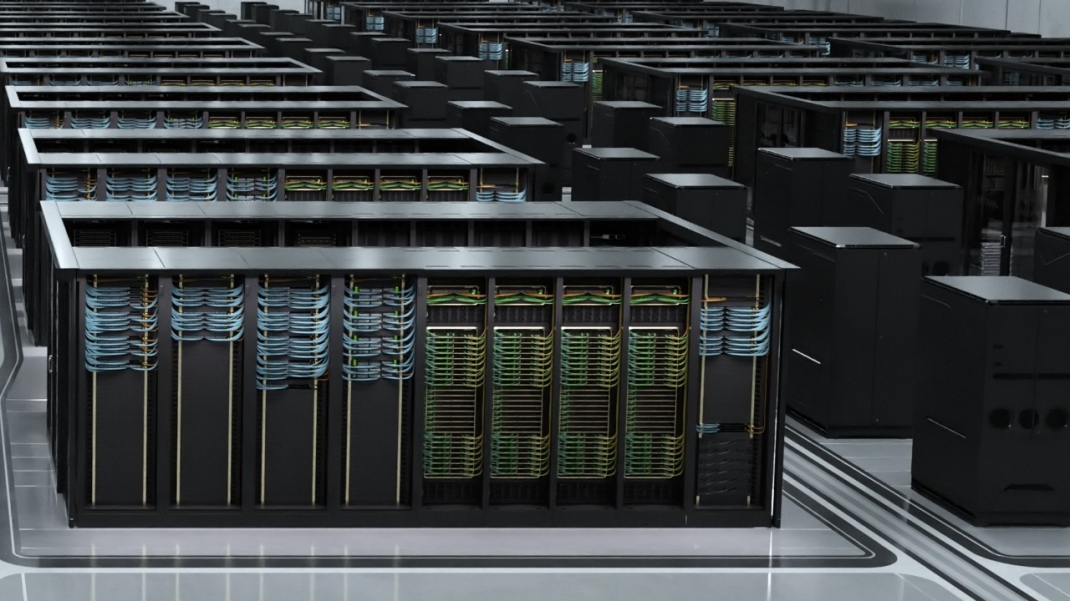
Looking ahead, analysts anticipate continued expansion of AI accelerated computing. The convergence of cloud services, automation platforms, and data analytics reinforces infrastructure demand.
The Nvidia AI strategy reflects preparedness for sustained growth rather than temporary spikes. By prioritizing scalability and partnership integration, Nvidia strengthens its position in global markets.
Experts predict that infrastructure centric approaches will define the next decade of digital transformation.
Silicon Valley’s Infrastructure Era Enters a New Chapter
In 2026, San Francisco remains synonymous with technological innovation. The Nvidia AI strategy embodies Silicon Valley’s renewed emphasis on foundational infrastructure over experimental novelty.
From advanced chip fabrication to global data center integration, Nvidia’s roadmap aligns with evolving enterprise demands. As artificial intelligence continues reshaping industries, infrastructure leadership determines competitive advantage.
Brussels Morning Newspaper coverage highlights how AI hardware now serves as the backbone of economic modernization. With sustained research investment, diversified partnerships, and policy engagement, Nvidia stands at the forefront of this transformation.
The trajectory of artificial intelligence will depend not only on algorithms but on the computing power that brings them to life. In that context, the Nvidia AI strategy represents more than corporate planning. It signifies a structural shift in how the digital economy is built and sustained for the decade ahead.