WASHINGTON, February 28, 2026 — Brussels Morning Newspaper confirms that Israel US strikes on Iran have intensified regional tensions following official acknowledgment of coordinated military operations. The announcement marks one of the most consequential escalations in Middle East security dynamics in recent years, drawing immediate global diplomatic, economic, and strategic attention.
The coordinated action signals a decisive moment in 2026 geopolitics. Military planners, global markets, and allied governments are closely monitoring developments as Washington and Jerusalem outline their objectives while Tehran evaluates its response options.
Official Confirmation of Military Engagement
Senior United States leadership confirmed that American forces acted in coordination with Israel in what were described as targeted combat operations. Officials emphasized that the strikes were calibrated and limited in scope, focusing on specific strategic infrastructure.
A senior defense official stated,
“Our actions are designed to protect regional stability while ensuring that imminent threats are neutralized.”
The confirmation elevates the confrontation beyond speculation and into overt military engagement. Analysts note that public acknowledgment changes diplomatic calculations and increases the urgency of de escalation efforts.

Strategic Drivers Behind the Operation
Israel US strikes on Iran reflect long standing concerns related to nuclear capability development, ballistic missile advancement, and regional proxy activity. For years, Israel has asserted that preventing strategic imbalance remains central to its national security doctrine. The United States has similarly expressed concern over destabilizing activity across the region.
Recent intelligence assessments reportedly indicated accelerated military preparations that triggered the coordinated response. Officials framed the action as preventative rather than expansive, emphasizing deterrence rather than regime change.
The shift toward overt engagement underscores a recalibrated strategic approach in 2026.
Tactical Scope and Operational Details
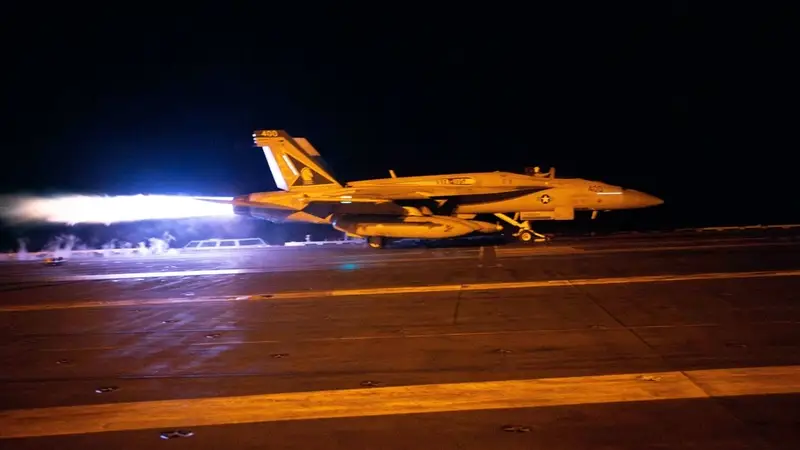
Defense analysts indicate that the operation involved precision air assets, advanced surveillance capabilities, and electronic warfare systems. While operational specifics remain classified, experts suggest that selected infrastructure targets were chosen to limit collateral damage while maximizing strategic impact.
Israel US strikes on Iran appear to have focused on facilities associated with advanced weapons systems and logistical networks. Military planners often aim to disrupt command structures while avoiding broader civilian disruption.
Operational tempo in the immediate aftermath remains under close observation.
Regional Reaction and Immediate Security Implications
Governments across the Middle East issued cautious statements urging restraint. Some regional actors expressed concern about the potential for retaliatory missile launches or proxy engagement in neighboring territories.
Tehran condemned the action and signaled that it reserves the right to respond under international law. Analysts caution that asymmetric measures including cyber operations and regional militia mobilization cannot be ruled out.
Israel US strikes on Iran have heightened alert levels throughout the region. Air defense systems, maritime patrols, and intelligence networks remain active as contingency measures.
Diplomatic Channels Under Intense Pressure
International diplomatic engagement intensified within hours of confirmation. Several world leaders called for emergency consultations to prevent escalation. The United Nations and allied diplomatic forums are expected to convene discussions focused on containment.
Israel US strikes on Iran complicate ongoing negotiations concerning nuclear oversight and regional security frameworks. Diplomatic observers note that once direct military engagement is acknowledged publicly, restoring negotiation momentum becomes increasingly complex.
Global leaders continue to emphasize dialogue as a mechanism to stabilize the situation.
Market Volatility and Energy Concerns
Financial markets responded rapidly. Oil prices showed upward movement amid concerns about potential supply disruptions in strategic waterways. Global equity markets reflected caution, with investors reassessing geopolitical risk.
Israel US strikes on Iran have renewed focus on energy security. The Middle East remains central to global oil transportation routes, and any sustained instability could affect shipping insurance costs and commodity pricing.
Defense sector equities saw increased interest, while transport and aviation sectors monitored developments carefully.
Domestic Political Landscape in Washington and Jerusalem
In Washington, lawmakers expressed divided reactions. Supporters described the operation as necessary for deterrence credibility, while critics raised concerns about potential escalation and long term entanglement.
In Israel, leadership emphasized national security priorities. Political consensus often shifts rapidly during security crises, particularly if retaliatory events unfold.
Israel US strikes on Iran may influence domestic political narratives depending on how events develop in the coming days.
Intelligence Assessment and Long Term Impact
Military analysts continue evaluating the operational effect of the strikes. Satellite imagery, communications intercepts, and regional intelligence assessments will determine whether key capabilities were successfully degraded.
Israel US strikes on Iran are viewed by defense experts as both tactical operations and strategic messaging. Demonstrating capability can alter adversary calculations beyond immediate battlefield outcomes.
Clear strategic objectives will be essential to prevent mission expansion.
A History of Escalation and Deterrence
Tensions between Israel, the United States, and Iran have evolved over decades. Previous confrontations often unfolded through proxy engagements, cyber operations, and sanctions rather than direct acknowledgment of combat.
Past episodes of escalation were frequently followed by diplomatic recalibration. However, Israel US strikes on Iran represent one of the clearest public acknowledgments of coordinated military engagement.
Understanding this historical arc provides context for assessing current risks and potential pathways toward stabilization.
Cyber and Asymmetric Threat Considerations
Security analysts emphasize that modern conflict extends beyond conventional air operations. Iran maintains cyber capabilities capable of targeting infrastructure and financial systems.
Israel US strikes on Iran may prompt retaliatory actions in digital domains. Governments worldwide have heightened cybersecurity readiness to mitigate potential disruptions.
Hybrid warfare considerations are central to evaluating the next phase of this confrontation.
Maritime Security and Strategic Waterways
The Persian Gulf and surrounding maritime corridors are critical to global energy distribution. Naval presence has increased as precautionary measures.
Israel US strikes on Iran have reinforced the importance of safeguarding shipping routes. Maritime surveillance and coordinated patrols aim to deter interference with commercial vessels.
Any disruption to these corridors could amplify economic impact beyond the region.
International Legal Debate
Legal scholars are examining the framework under which the operations were conducted. Debates concerning proportionality, self defense, and preemptive action are expected in diplomatic forums.
Israel US strikes on Iran will likely shape discussions about evolving norms governing cross border military operations in high risk regions.
These debates could influence future global security doctrines.
Broader Geopolitical Implications
Global powers including European and Asian nations are closely evaluating strategic implications. Alliances, energy agreements, and defense cooperation may shift depending on the trajectory of events.
Israel US strikes on Iran could redefine regional alignments in 2026. Diplomatic positioning by major powers will influence whether escalation remains contained.
The broader geopolitical balance remains fluid.
Public Sentiment and Global Opinion
Public opinion internationally reflects concern about escalation. Social and political discourse often intensifies during visible military engagement.
Israel US strikes on Iran have become a focal point in global media coverage, prompting debate regarding deterrence, sovereignty, and regional security architecture.
Leadership messaging will play a significant role in shaping public perception.
The Road Ahead
The coming weeks will determine whether tensions stabilize or intensify. Retaliatory measures, diplomatic engagement, and military posture adjustments will influence outcomes.
Israel US strikes on Iran mark a defining moment in 2026 international relations. The emphasis now shifts toward measured decision making and conflict containment.
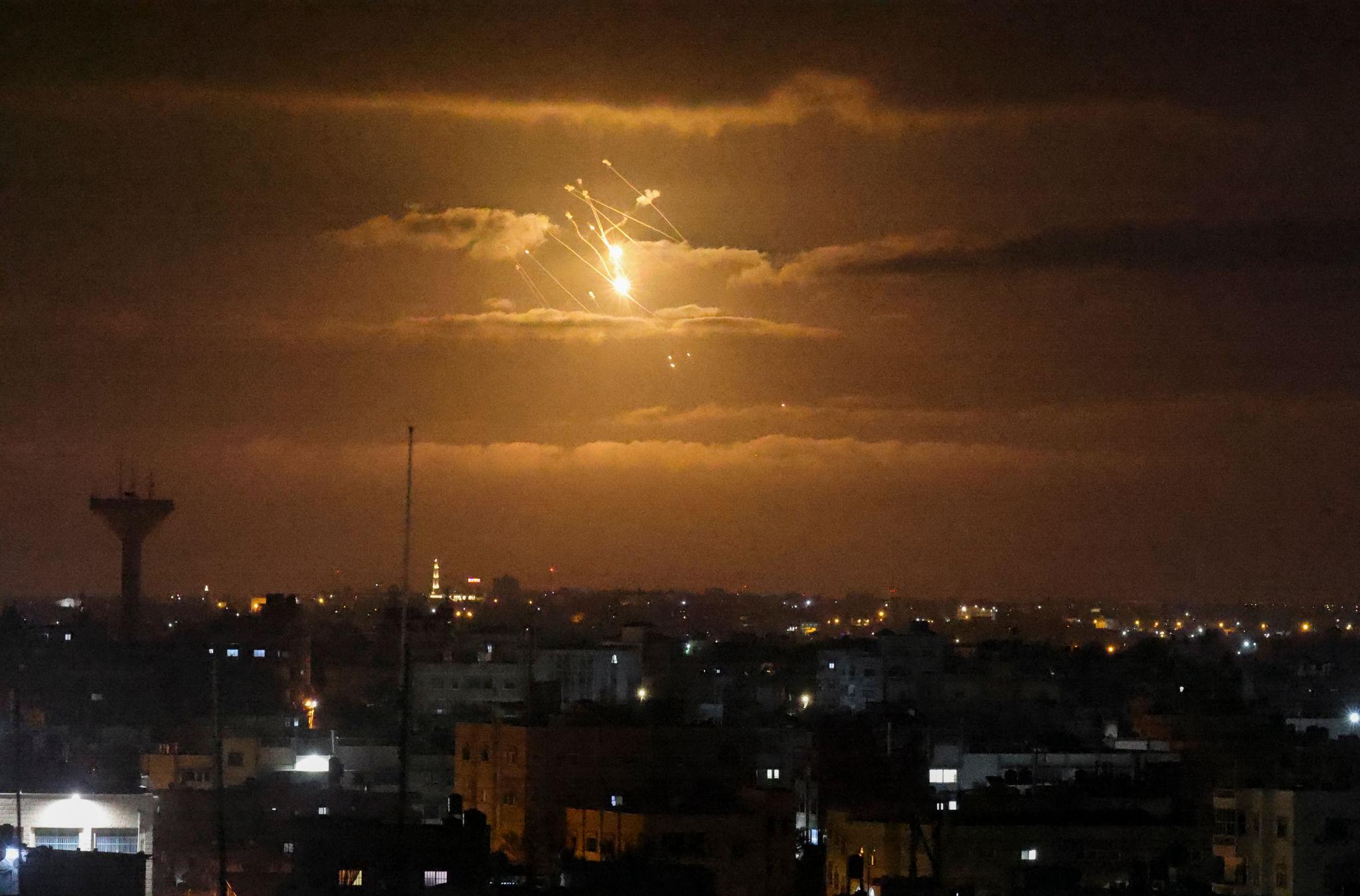
Strategic Inflection Point in 2026
Israel US strikes on Iran may ultimately be remembered as a strategic inflection point. The operation demonstrates evolving doctrine centered on rapid, precise engagement combined with overt communication.
As governments navigate this period of heightened tension, the balance between deterrence and de escalation will define regional stability.
For now, Washington March 2026 stands as a pivotal chapter in contemporary Middle East security strategy, with global implications extending far beyond immediate operational impact.