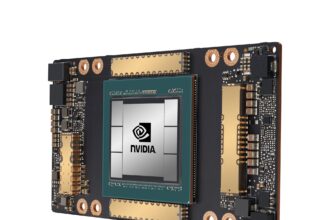

Mumbai, India – February 17, 2026 – Brussels Morning Newspaper – India’s artificial intelligence sector is entering a decisive growth phase as major infrastructure investments, policy reforms and corporate expansion reshape the country’s digital future. The acceleration of AI ambitions India reflects a coordinated push to strengthen domestic computing power, attract global technology capital and secure long term leadership in the global AI race.
From hyperscale data centres rising along coastal corridors to renewable energy powered server farms in industrial zones, India’s strategy is no longer theoretical. It is operational. Industry leaders, policymakers and international investors increasingly view 2026 as a pivotal year in defining India’s technological standing.
Infrastructure Expansion Signals National Commitment
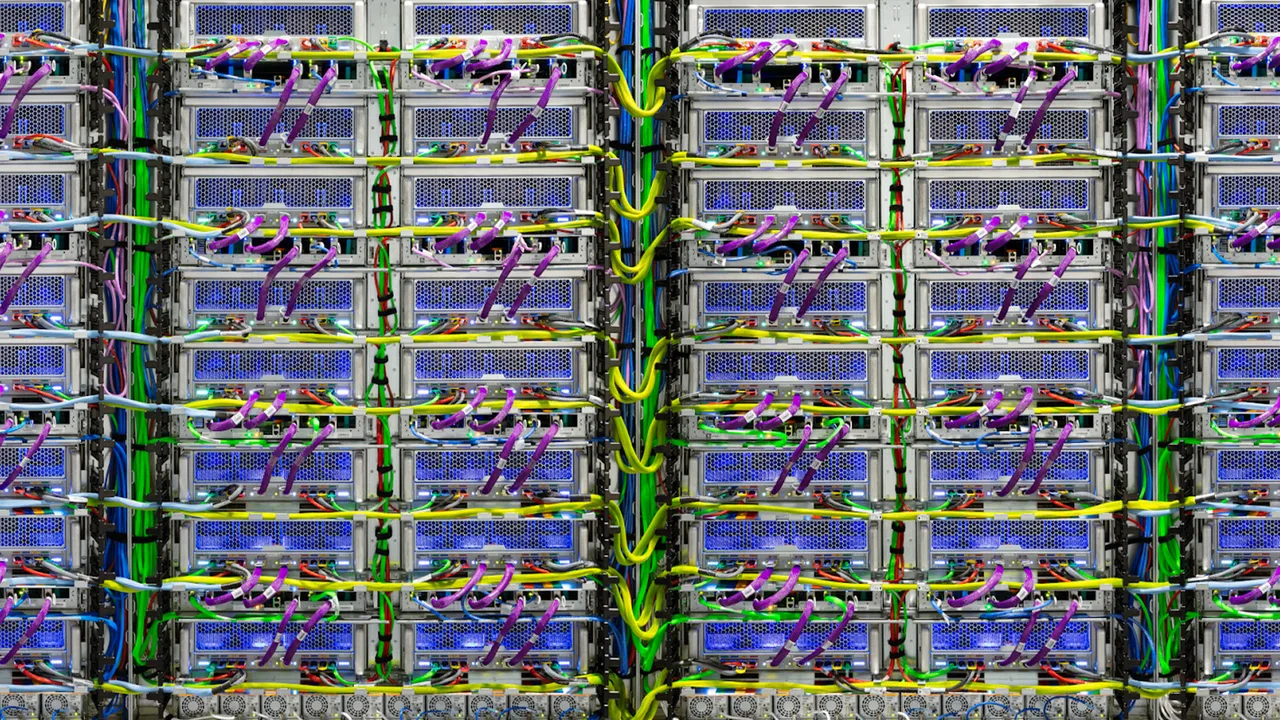
The most visible evidence of progress lies in the rapid expansion of data centre capacity across metropolitan hubs such as Mumbai, Hyderabad, Bengaluru and Chennai. These facilities form the backbone of AI ambitions India, enabling advanced computing tasks such as machine learning training, large language model deployment and predictive analytics.
Artificial intelligence requires enormous processing capacity. Without high density server networks and stable energy supply, innovation stalls. The current infrastructure buildout addresses that bottleneck directly.
Technology analysts note that India’s data localisation policies have also encouraged domestic hosting solutions. Keeping data within national borders enhances security, reduces latency and strengthens regulatory compliance.
The scale of private sector investment indicates confidence in sustained demand for AI services across banking, healthcare, manufacturing, telecommunications and public administration.

Government Policy Alignment with Digital Strategy
Public policy has played a critical role in accelerating AI ambitions India. Incentive schemes for semiconductor manufacturing, digital payment infrastructure and startup incubation have created a supportive ecosystem for AI growth.
Regulatory reforms are streamlining land acquisition and power approvals for hyperscale facilities. Meanwhile, national digital identity systems and unified payment interfaces have created massive data ecosystems that fuel AI innovation.
A senior official involved in India’s digital transformation stated,
“We are not simply expanding infrastructure. We are building a foundation that ensures India competes at the highest technological level for decades.”
This alignment between public strategy and private capital has positioned India as one of the fastest growing AI markets globally.
Economic Implications for Domestic and Global Markets
The ripple effects of expanding AI infrastructure extend far beyond technology firms. Financial institutions leverage AI to detect fraud and manage risk. Hospitals use AI assisted imaging tools to enhance diagnostics. Logistics companies optimize supply chains using predictive models.
Each of these applications reinforces AI ambitions India by embedding artificial intelligence into everyday economic activity.
International investors are closely monitoring these developments. Global cloud providers increasingly seek partnerships with domestic infrastructure operators to expand their footprint in South Asia.
The integration of AI across industries not only boosts productivity but also creates high skill employment opportunities. Engineers, cybersecurity analysts, data scientists and energy specialists are in rising demand.
Energy Strategy and Sustainability Integration
Data centres consume substantial electricity, making energy security essential. India’s renewable energy expansion has provided a strategic advantage. Solar and wind projects are increasingly integrated with new facilities to reduce carbon footprints and stabilize operational costs.
Sustainability considerations are deeply intertwined with AI ambitions India, as global clients demand environmentally responsible hosting solutions. Energy efficient cooling systems, modular facility design and battery storage solutions help manage peak loads.
Experts emphasize that balancing growth with environmental responsibility will determine long term viability. Renewable integration not only addresses climate commitments but also enhances cost predictability in an energy intensive industry.
Global Competitive Position
The international AI landscape is dominated by established technology giants in the United States and China. However, India’s demographic scale and digital adoption rates provide unique advantages.
Rapid internet penetration, a thriving startup ecosystem and a large English speaking workforce support the growth of AI ambitions India. Domestic companies increasingly develop AI tools tailored to local languages and regional markets, strengthening competitive differentiation.
Technology investors view India as a long term growth story rather than a short term experiment. The expanding infrastructure base enhances confidence that large scale AI projects can operate securely and efficiently within the country.

Financial Sector Transformation
Mumbai, as India’s financial capital, has become a central hub for AI deployment in banking and capital markets. Algorithmic trading systems, automated compliance checks and credit risk modeling platforms are increasingly AI driven.
This financial digitization strengthens AI ambitions India by demonstrating practical application at scale. Financial institutions are also investing in AI governance frameworks to ensure ethical and transparent deployment.
Analysts predict that AI enabled financial services exports may expand significantly over the next decade, positioning India as a digital services powerhouse.
Manufacturing and Industrial Modernization
Artificial intelligence is transforming industrial production through predictive maintenance, robotics and supply chain automation. Smart factories equipped with AI analytics reduce downtime and improve output quality.
Such advancements further validate AI ambitions India, particularly as the country seeks to strengthen its manufacturing competitiveness.
Industrial AI integration enhances export capabilities and reduces reliance on imported technology. Domestic innovation hubs are collaborating with manufacturers to pilot advanced automation projects.
Education and Workforce Development
A sustainable AI ecosystem requires skilled human capital. Universities across India are expanding AI research programs and establishing partnerships with global technology firms.
Training initiatives equip students with machine learning expertise, data engineering skills and cybersecurity knowledge. This workforce readiness underpins AI ambitions India, ensuring that infrastructure expansion translates into innovation capacity.
Government supported scholarships and research grants further strengthen academic collaboration with industry leaders.
Cybersecurity and Data Protection Framework
As AI adoption increases, so does the importance of cybersecurity. Financial data, healthcare records and government databases must remain secure against evolving threats.
Robust encryption standards, physical security measures and continuous monitoring systems are now integral to supporting AI ambitions India.
Policymakers are refining data protection regulations to balance privacy rights with innovation incentives. International investors often evaluate regulatory stability before committing capital, making strong cybersecurity governance essential.
Investment Outlook for 2026 and Beyond
Market forecasts suggest continued double digit growth in AI related infrastructure spending over the next five years. Small and medium enterprises are increasingly adopting cloud based AI tools to enhance efficiency.
This widespread adoption reflects the maturation of AI ambitions India, shifting from pilot experimentation to mainstream integration.
Economic analysts predict that AI could contribute significantly to India’s GDP growth trajectory, particularly in service exports and digital innovation.
A global technology strategist observed,
“India’s infrastructure push places it firmly in the front tier of emerging AI economies.”
Historical Context of India’s AI Evolution
India’s AI journey did not begin in 2026. Early investments in information technology during the late 1990s and early 2000s laid the groundwork for today’s transformation. The expansion of software services and outsourcing industries built a strong technical workforce.
Over time, digital identity systems, mobile connectivity growth and fintech innovation created a vast data ecosystem. These developments gradually strengthened AI ambitions India, culminating in the current infrastructure expansion phase.
The historical trajectory reveals steady progression rather than sudden acceleration. Each stage of digital adoption prepared the foundation for advanced AI integration.
Challenges and Risk Management
Despite strong momentum, risks remain. Construction delays, regulatory complexity and energy pricing volatility can impact project timelines. Overcapacity concerns also emerge if supply significantly outpaces demand.
Strategic discipline is essential to ensure AI ambitions India remain sustainable. Phased expansion, diversified partnerships and transparent governance mitigate potential setbacks.
Cybersecurity threats and geopolitical uncertainties also require continuous monitoring. However, diversified infrastructure and strong domestic demand provide resilience.
Social Impact and Digital Inclusion
Artificial intelligence holds potential to enhance public services, improve agricultural forecasting and expand healthcare access. Rural connectivity initiatives aim to bring AI powered tools to underserved regions.
This inclusive vision aligns with broader AI ambitions India, emphasizing that technological growth must benefit the entire population.
Digital literacy programs and affordable cloud solutions help smaller enterprises participate in the AI economy. Policymakers emphasize that equitable access will determine long term social impact.
A Turning Point for India’s Digital Future
India’s technological trajectory in 2026 reflects ambition backed by infrastructure, policy and capital. The steady expansion of computing networks and renewable energy integration signals long term commitment.
The reinforcement of AI ambitions India positions the country as a serious contender in the global artificial intelligence arena.
If current trends continue, 2026 may be remembered as the year India solidified its place among leading AI driven economies. The convergence of talent, infrastructure and policy creates a foundation that could shape national growth for decades to come.