Singapore, Asia – May 7, 2026 – Brussels Morning Newspaper — AI data center expansion is accelerating worldwide as technology companies invest billions of dollars into advanced computing infrastructure designed to support growing artificial intelligence demand. The rapid buildout of data centers is transforming energy markets, semiconductor supply chains, cloud computing services, and global technology competition throughout 2026.
- Technology Firms Increase Infrastructure Spending
- Semiconductor Demand Continues Rising
- Energy Consumption Becomes Major Concern
- Cloud Computing Growth Fuels Expansion
- Geopolitical Competition Intensifies
- Investors Remain Focused on AI Growth
- Future Outlook for AI Infrastructure
- Key Takeaways From the AI Infrastructure Boom
Major technology firms continue increasing investment in high-performance computing systems capable of powering machine learning, generative AI platforms, automation technologies, and enterprise cloud services.
Industry analysts say artificial intelligence has triggered one of the largest infrastructure investment cycles in modern technology history as businesses race to secure sufficient computing capacity for future growth.
“Artificial intelligence is fundamentally reshaping global infrastructure demand,”
one technology strategist said during a regional computing conference.
Technology Firms Increase Infrastructure Spending
Global technology companies continue aggressively expanding data center operations to support rising enterprise demand for AI computing services.
Cloud providers, semiconductor firms, social media companies, and enterprise software developers are all increasing investment in server capacity, networking systems, and advanced processors.
The rapid pace of AI data center expansion reflects growing reliance on machine learning technologies across healthcare, finance, cybersecurity, logistics, manufacturing, and consumer applications.
Several companies have announced multibillion-dollar infrastructure projects during 2026 aimed at strengthening long-term AI capabilities.
Industry experts believe computing demand tied to artificial intelligence could continue rising sharply for years as businesses integrate AI tools into daily operations.
However, the scale of infrastructure growth is also raising concerns regarding costs, sustainability, and future supply chain stability.
Semiconductor Demand Continues Rising
The rapid growth of AI data center expansion is significantly increasing demand for advanced semiconductors.
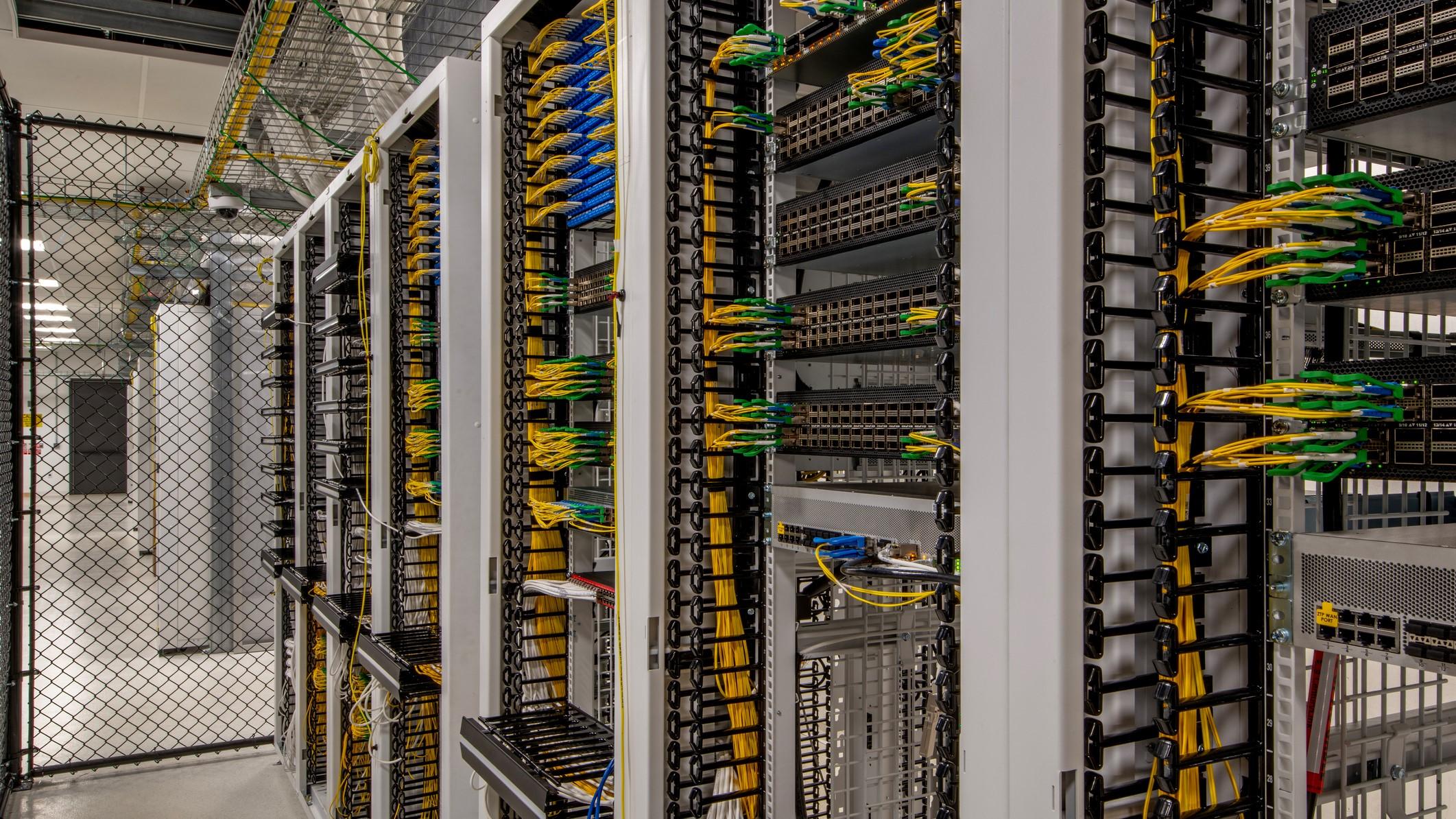
Artificial intelligence systems require powerful processors, memory chips, networking hardware, and specialized accelerators capable of handling enormous computational workloads.
Semiconductor manufacturers worldwide are investing heavily in fabrication facilities and production capacity to meet future AI demand.
Several analysts believe the semiconductor industry may experience long-term growth driven largely by artificial intelligence infrastructure requirements.
At the same time, investors remain cautious about potential supply bottlenecks and manufacturing limitations affecting global chip availability.
Geopolitical tensions surrounding semiconductor production continue adding uncertainty to technology markets as governments compete for domestic manufacturing leadership.
Energy Consumption Becomes Major Concern
The rapid increase in AI data center expansion is placing growing pressure on electricity infrastructure worldwide.
Modern AI systems consume enormous amounts of energy due to the computing power required for training and operating advanced machine learning models.
Several governments and environmental organizations have raised concerns about the long-term sustainability of rapidly expanding data center operations.
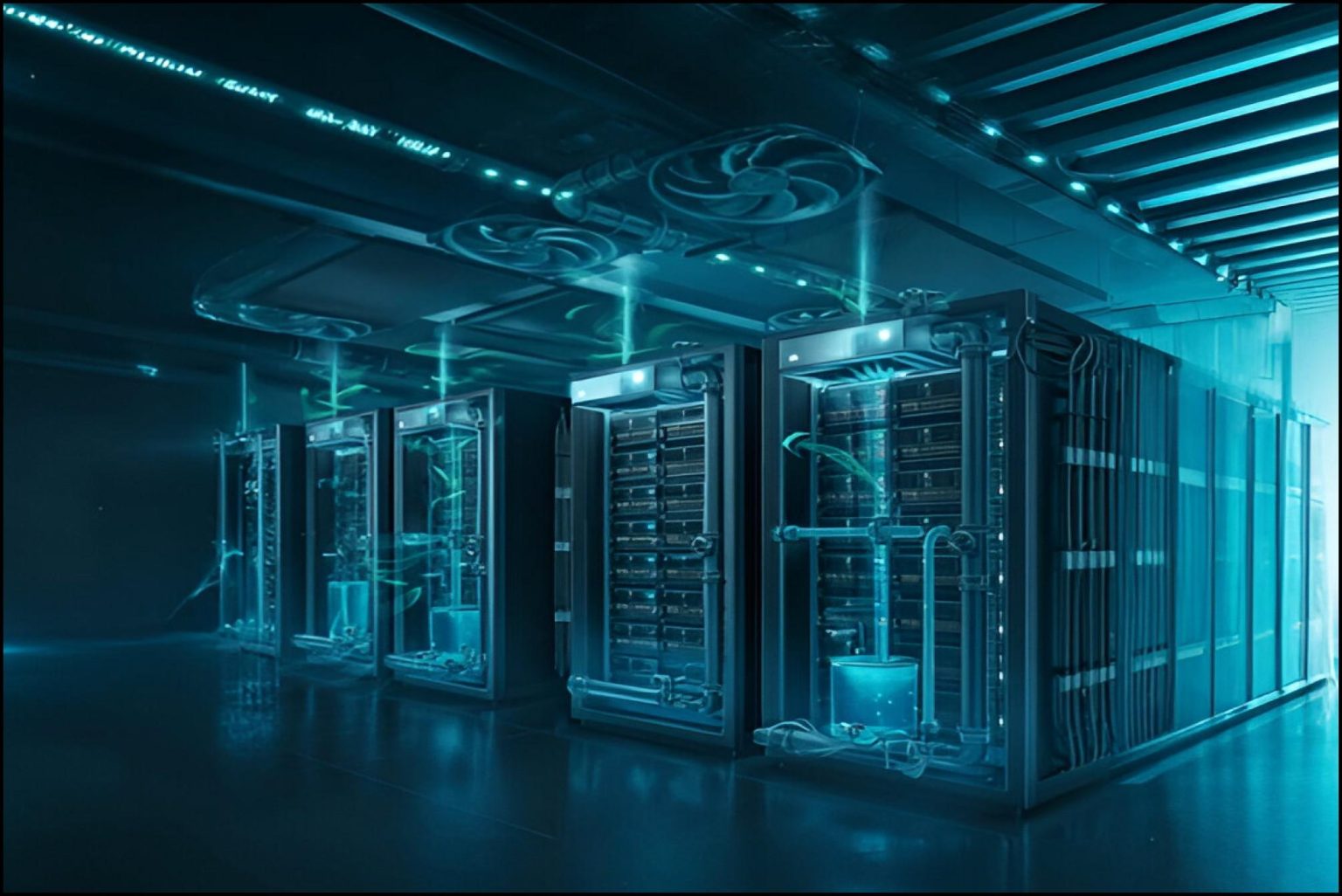
Technology firms are increasingly investing in renewable energy partnerships, energy-efficient processors, and advanced cooling systems designed to reduce operational costs and emissions.
Some analysts believe electricity demand tied to artificial intelligence could significantly reshape global energy markets during the coming decade.
Energy availability and infrastructure capacity may become increasingly important competitive factors within the technology sector.
“The AI economy is creating an unprecedented surge in global electricity demand,”
one energy analyst stated.
Cloud Computing Growth Fuels Expansion
Cloud computing remains one of the primary drivers behind AI data center expansion.
Businesses increasingly rely on cloud-based AI platforms for analytics, automation, cybersecurity, and customer service operations.
Enterprise demand for scalable computing infrastructure has encouraged major cloud providers to accelerate global expansion strategies throughout 2026.
Several companies are also building regional data centers designed to improve network performance and comply with local data sovereignty regulations.
Industry experts believe cloud computing and artificial intelligence will remain deeply interconnected as organizations continue modernizing digital operations.
This relationship is expected to sustain strong infrastructure investment throughout the remainder of the decade.
Geopolitical Competition Intensifies
Artificial intelligence infrastructure has become increasingly connected to geopolitical competition between major global economies.
Governments worldwide now consider advanced computing infrastructure strategically important for economic competitiveness, defense modernization, and technological leadership.
Several countries are increasing support for domestic semiconductor production, cloud infrastructure, and AI research programs aimed at reducing reliance on foreign technology providers.
The rapid pace of AI data center expansion has therefore become closely linked to broader economic security strategies.
Industry observers warn that geopolitical fragmentation could complicate supply chains and increase infrastructure costs in coming years.
At the same time, global technology companies continue pursuing international partnerships to strengthen long-term computing capacity and market access.
Investors Remain Focused on AI Growth
Financial markets continue closely monitoring artificial intelligence infrastructure spending.
Technology stocks tied to semiconductors, cloud computing, AI software, and data center construction have attracted strong investor interest throughout 2026.
Several analysts believe artificial intelligence may remain one of the most important drivers of global technology sector growth for years to come.
However, some economists caution that aggressive infrastructure spending could create market volatility if future revenue growth fails to meet current expectations.
Despite these concerns, investor optimism surrounding AI infrastructure expansion remains strong due to the enormous long-term commercial potential associated with artificial intelligence technologies.
Future Outlook for AI Infrastructure
The future of AI data center expansion will likely depend on semiconductor availability, electricity infrastructure, regulatory policy, and global economic conditions.
Technology firms are expected to continue increasing investment in advanced computing systems as competition within artificial intelligence markets intensifies.
Analysts believe companies capable of balancing infrastructure growth with energy efficiency and operational stability may gain major competitive advantages.
The continued expansion of artificial intelligence is expected to keep data centers at the center of global technology development throughout the coming decade.
As AI adoption accelerates worldwide, infrastructure investment will likely remain one of the defining economic trends shaping the future digital economy.

Key Takeaways From the AI Infrastructure Boom
AI data center expansion is accelerating globally as technology firms race to build infrastructure capable of supporting artificial intelligence growth. Rising demand for advanced processors, cloud computing systems, and enterprise AI applications continues driving investment across semiconductor manufacturing and data center construction. Analysts say energy consumption, geopolitical competition, and supply chain stability will remain major challenges as the AI economy expands throughout 2026 and beyond.