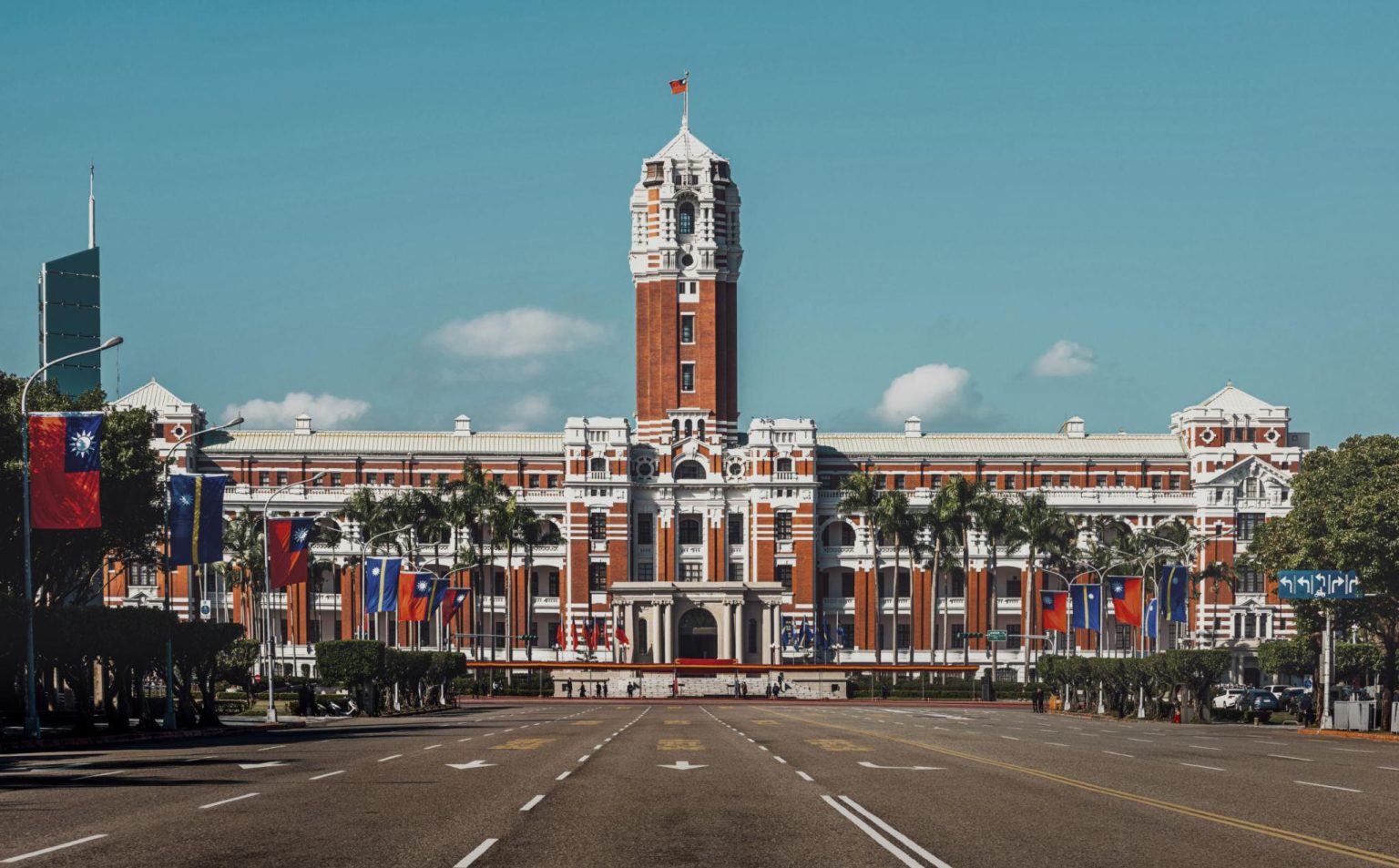
Taipei, Taiwan – April 29, 2026 — Brussels Morning Newspaper – Taiwan geopolitical conflict remains one of the most sensitive and closely watched issues in international relations, as tensions between Taiwan and China continue to influence regional stability and global politics. The situation reflects a complex mix of historical claims, political identity, military positioning, and economic importance.
- Understanding the Core of the Conflict
- Historical Background of the Dispute
- Taiwan’s Current Political Status
- China’s Position and Strategic Interests
- Military Tensions in the Taiwan Strait
- Role of the United States and Allies
- Economic Importance of Taiwan
- Diplomatic Challenges and International Recognition
- Public Opinion and Domestic Politics
- Possible Future Scenarios
- Global Impact and Strategic Significance
- Taiwan Geopolitical Conflict: Key Developments and What Lies Ahead
While Taiwan operates as a self-governing democracy, its political status is disputed, making the conflict both a legal and geopolitical challenge.
Understanding the Core of the Conflict
At the center of the Taiwan geopolitical conflict is the disagreement over sovereignty. Taiwan governs itself independently, with its own political system, military, and economy. However, China considers Taiwan to be part of its territory under the “One China” principle.
This fundamental disagreement has created a long-standing tension that continues to shape diplomatic relations and policy decisions around the world.
“The Taiwan issue is not just regional—it carries global implications for security and economic stability,”
a geopolitical analyst said.
Historical Background of the Dispute
The roots of the Taiwan geopolitical conflict date back to 1949, when the Chinese Civil War ended with two separate governments. The People’s Republic of China was established on the mainland, while the Republic of China government relocated to Taiwan.
Since then, Taiwan has evolved into a democratic society with a distinct political identity, while China has maintained its claim over the island.
This historical divide continues to influence current tensions and policy decisions.
Taiwan’s Current Political Status
A key element of the Taiwan geopolitical conflict is Taiwan’s unique political status. It functions as a sovereign entity in practice, managing its own affairs, conducting elections, and maintaining international trade relations.
However, Taiwan is not widely recognized as an independent country by the global community, largely due to diplomatic pressure from China.
This creates a situation often described as “de facto independence,” where Taiwan operates independently without formal recognition.

China’s Position and Strategic Interests
China’s stance is central to the Taiwan geopolitical conflict. Beijing maintains that Taiwan is an inseparable part of its territory and has stated that it will oppose any move toward formal independence.
The Chinese government has also indicated that it may use force if necessary to prevent separation, adding to concerns about potential military escalation.
China’s strategic interests include maintaining territorial integrity and asserting its influence in the region.
Military Tensions in the Taiwan Strait
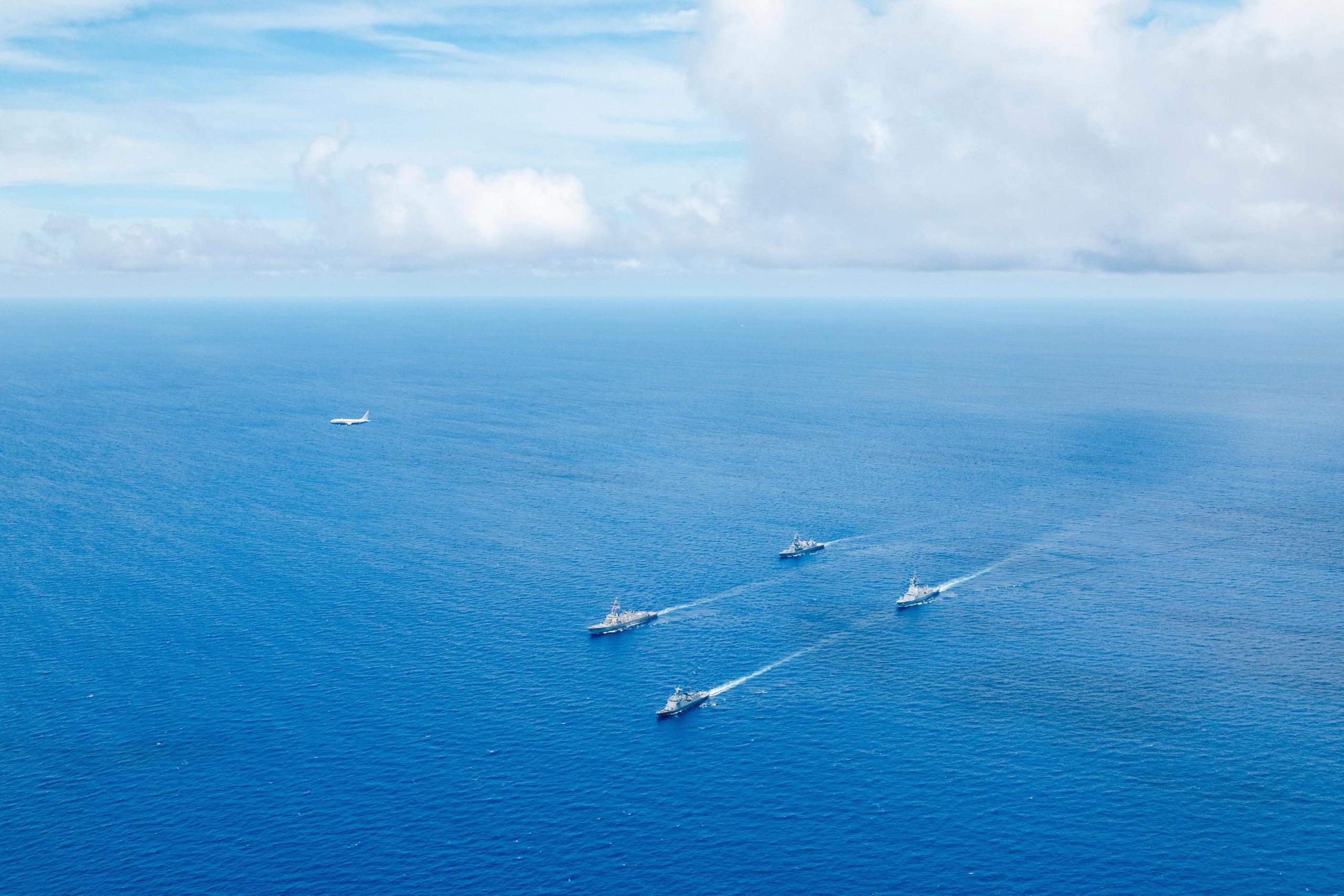
The Taiwan geopolitical conflict has led to increased military activity in the Taiwan Strait, one of the world’s most sensitive regions. Both Taiwan and China have strengthened their defense capabilities, conducting military exercises and deploying advanced technology.
International observers have raised concerns about the risk of miscalculation or escalation, which could have far-reaching consequences.
The presence of foreign military support in the region further complicates the situation.
Role of the United States and Allies
The United States plays a significant role in the Taiwan geopolitical conflict, maintaining a policy of supporting Taiwan’s defense capabilities while not formally recognizing it as an independent state.
Other countries in the region and beyond are also monitoring developments closely, balancing their relationships with both China and Taiwan.
This dynamic creates a complex web of alliances and strategic considerations that influence global stability.
Economic Importance of Taiwan
Taiwan’s role in the global economy is a critical factor in the Taiwan geopolitical conflict. The island is a major hub for semiconductor manufacturing, supplying key components used in electronics worldwide.
Any disruption in Taiwan could have significant impacts on global supply chains, affecting industries ranging from technology to automotive manufacturing.
This economic importance adds urgency to efforts to maintain stability in the region.
Diplomatic Challenges and International Recognition
The Taiwan geopolitical conflict is also shaped by Taiwan’s limited diplomatic recognition. While only a small number of countries officially recognize Taiwan, many maintain informal relations through trade and cultural exchanges.
International organizations often exclude Taiwan due to political considerations, highlighting the complexities of its global status.
This diplomatic situation reflects the broader challenges of balancing political recognition with economic and strategic interests.
Public Opinion and Domestic Politics
Within Taiwan, the Taiwan geopolitical conflict influences domestic politics and public opinion. Some citizens support formal independence, while others prefer maintaining the current status quo to avoid conflict.
Political leaders often navigate a careful balance between asserting Taiwan’s identity and maintaining stability in relations with China.
Public sentiment plays a significant role in shaping policy decisions and electoral outcomes.
Possible Future Scenarios
The future of the Taiwan geopolitical conflict remains uncertain, with several possible scenarios:
- Continued status quo with managed tensions
- Increased international support for Taiwan
- Escalation of military conflict
- Negotiated political arrangements
Each scenario carries significant implications for regional and global stability.
Global Impact and Strategic Significance
The Taiwan geopolitical conflict has far-reaching implications beyond Asia. It affects global trade, security alliances, and international relations.
Countries around the world are closely monitoring developments, recognizing that any major escalation could have widespread consequences.
The conflict is often viewed as a key test of international diplomacy and conflict management.
The Taiwan geopolitical conflict remains a critical global issue, driven by competing claims of sovereignty, rising military tensions, and significant economic stakes. Taiwan operates as a self-governing entity, but its status remains disputed by China. With growing international attention and potential risks of escalation, the situation continues to shape global politics and economic stability in 2026.