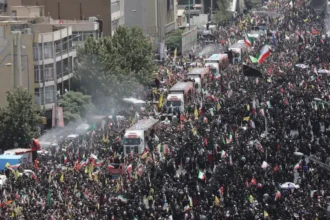
Washington, March 30, 2026 — Brussels Morning Newspaper — Middle East conflict risk is rapidly increasing as former U.S. President Donald Trump appears to pursue a renewed strategy of maximum pressure toward Iran. The approach is raising concerns among global leaders about the possibility of heightened instability across an already volatile region.
The strategy includes economic sanctions, diplomatic isolation, and increased geopolitical pressure, all of which are contributing to fears of a broader escalation.
Return of a Hardline Strategy
The Middle East conflict risk has intensified with signs of a return to policies similar to those implemented during Trump’s presidency. His administration previously withdrew from the Iran nuclear deal and imposed sweeping sanctions designed to limit Iran’s economic and strategic capabilities.
This renewed approach aims to:
- Restrict Iran’s regional influence
- Pressure leadership into negotiations
- Reduce access to international markets
A geopolitical analyst stated:
“This strategy significantly raises Middle East conflict risk, especially without parallel diplomatic efforts.”
Sanctions and Economic Pressure
At the core of the strategy driving Middle East conflict risk is the expansion of sanctions targeting Iran’s economy. These measures focus heavily on energy exports, banking systems, and international trade.
Historically, such actions have:
- Reduced Iran’s oil revenues
- Limited financial transactions globally
- Increased domestic economic pressure
While effective in applying pressure, these measures can also trigger retaliatory responses, further elevating tensions.
Regional Security Concerns Grow
The rising Middle East conflict risk is closely tied to ongoing tensions across the region, including proxy conflicts, maritime incidents, and military posturing.
Security experts warn that:
- Escalation could lead to direct confrontations
- Shipping routes may face increased threats
- Regional alliances could shift rapidly
A defense expert noted:
“Any increase in pressure without de-escalation mechanisms adds to the overall Middle East conflict risk.”
Global Reactions and Diplomatic Divide
The growing Middle East conflict risk has prompted mixed reactions from global powers. Some nations support a firm stance on Iran, while others advocate for renewed diplomatic engagement to prevent escalation.
European leaders have emphasized the importance of maintaining dialogue, warning that excessive pressure could destabilize the region further.
This divide highlights the complexity of managing international security in a highly interconnected world.
Impact on Global Energy Markets
The Middle East conflict risk has significant implications for global energy markets. Iran plays a critical role in oil production, and any disruption can lead to price volatility and supply uncertainty.
Potential impacts include:
- Rising oil prices
- Increased transportation costs
- Global economic ripple effects
Market analysts are closely monitoring developments, as even minor escalations can influence global supply chains.

Domestic Political Implications
The increase in Middle East conflict risk also has political implications within the United States. Foreign policy decisions often shape public perception and influence broader political dynamics.
Supporters argue that a strong stance enhances security, while critics caution against the risks of escalation.
The issue is expected to remain a key topic in political discussions.
Balancing Pressure and Diplomacy
One of the central questions surrounding Middle East conflict risk is whether pressure alone can achieve strategic objectives or if it must be combined with diplomacy.
Historically, a mix of sanctions and negotiations has been more effective in resolving complex international disputes.
A policy expert explained:
“Without a diplomatic pathway, pressure strategies can increase Middle East conflict risk rather than reduce it.”
What Comes Next?
As Middle East conflict risk continues to rise, several factors will shape future developments:
- Iran’s response to increased pressure
- Actions by regional allies and adversaries
- Diplomatic initiatives from global powers
- Stability of key maritime routes
The situation remains fluid, with significant implications for global security.
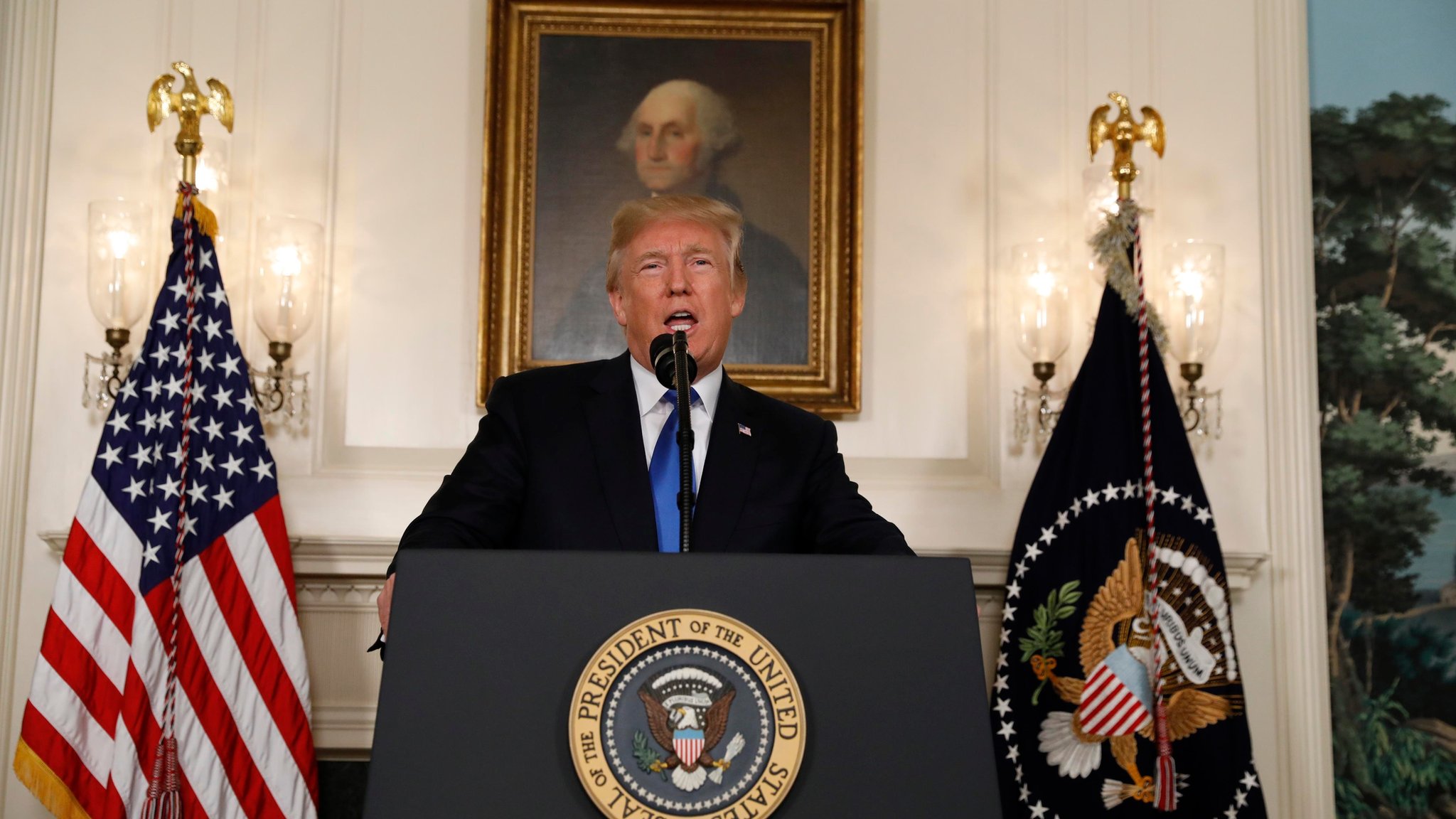
Long-Term Strategic Outlook
The ongoing rise in Middle East conflict risk reflects broader geopolitical shifts, where economic pressure and military strategy are increasingly intertwined.
Long-term outcomes will depend on:
- International cooperation
- Economic resilience
- Willingness to engage in diplomacy
Balancing these elements will be critical in preventing further escalation.
The Middle East conflict risk is increasing as pressure on Iran intensifies, signaling potential escalation in regional tensions. With implications for global energy markets, security, and diplomacy, the situation underscores the challenges of managing conflict in a complex geopolitical environment. The coming months will be crucial in determining whether tensions stabilize or escalate further.