Dubai – May 1, 2026 — Brussels Morning Newspaper – Iran war supply chain impact is rapidly reshaping global trade and food logistics, as escalating conflict in the Middle East disrupts shipping routes, increases costs, and forces industries to adapt in real time. From restaurant kitchens in Dubai to agricultural systems in Africa, the ripple effects are spreading across multiple sectors.
- Shipping disruptions intensify across key global routes
- Food supply chains face growing pressure
- Energy market disruptions drive global cost increases
- Manufacturing and technology sectors under strain
- Businesses adapt through local sourcing and restructuring
- Humanitarian and economic risks increase globally
- Expert insight highlights severity of disruption
- What industries are watching next
- Broader global implications for trade and inflation
- A global supply chain under pressure
The Iran war supply chain impact has become increasingly visible in daily operations, particularly in industries dependent on global imports. Businesses are now facing delays, shortages, and rising costs driven by one of the most significant disruptions to global trade routes in recent years.
Shipping disruptions intensify across key global routes
The Iran war supply chain impact is heavily tied to disruptions in the Strait of Hormuz, one of the world’s most critical shipping chokepoints. Nearly a quarter of global oil shipments typically pass through this route, making it essential for global trade.
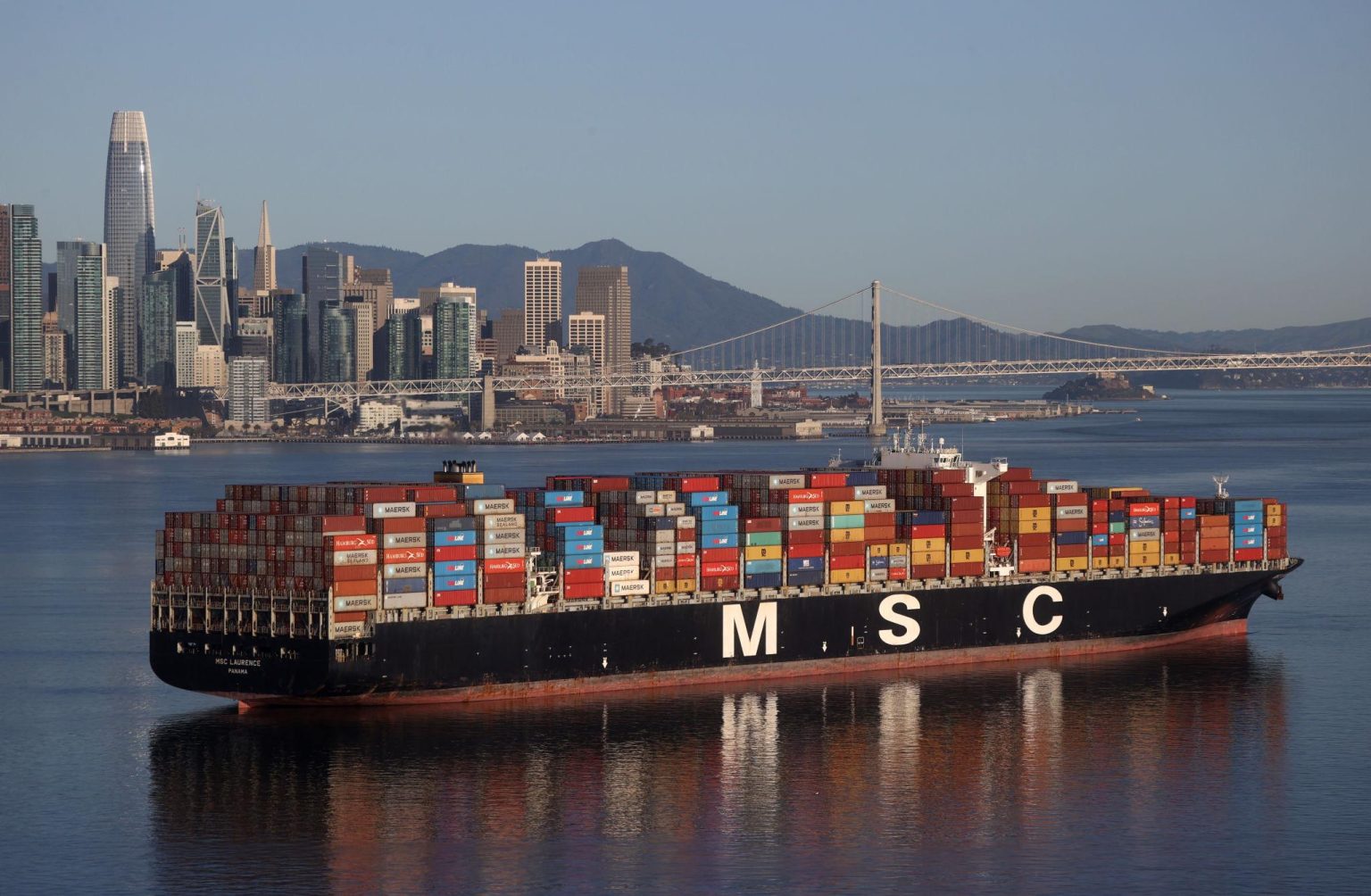
With increased military activity and security risks, shipping companies have been forced to reroute vessels, delay deliveries, or suspend operations entirely.
These disruptions have led to:
- Longer transit times and delayed shipments
- Increased fuel consumption and logistics costs
- Congestion at alternative ports
The result is a slower, more expensive global supply chain affecting industries worldwide.
Food supply chains face growing pressure
The Iran war supply chain impact is particularly evident in the food sector. Restaurants in Dubai have begun shrinking menus due to shortages of imported ingredients and rising costs.
At the same time, global food systems are under strain. Fertilizer shortages and increased transportation costs are raising concerns about future food production and pricing.
Key challenges include:
- Limited availability of specialty produce and seafood
- Rising food prices due to increased import costs
- Disruptions in agricultural supply chains
These developments are raising fears of broader food security challenges in vulnerable regions.
Energy market disruptions drive global cost increases
The Iran war supply chain impact is also deeply connected to energy markets. The closure and instability around key routes have triggered sharp increases in oil prices, with major global benchmarks rising significantly.
Energy costs play a central role in supply chains, influencing transportation, manufacturing, and logistics.
Consequences include:
- Higher transportation and shipping costs
- Increased production expenses for manufacturers
- Rising consumer prices across multiple sectors
The surge in energy prices is amplifying inflationary pressures worldwide.

Manufacturing and technology sectors under strain
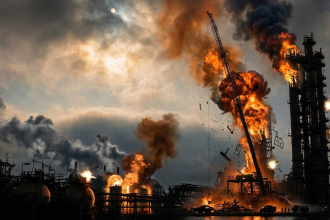
Beyond food and energy, the Iran war supply chain impact is affecting manufacturing and technology industries. Disruptions to petrochemical production have limited access to key materials used in electronics and industrial processes.
Industries impacted include:
- Electronics manufacturing
- Automotive production
- Construction and packaging sectors
Supply shortages of critical materials are forcing companies to reassess production timelines and cost structures.
Businesses adapt through local sourcing and restructuring
In response to the Iran war supply chain impact, businesses are shifting strategies to maintain operations. Many companies are exploring alternative suppliers and local sourcing to reduce reliance on disrupted trade routes.
Adaptation strategies include:
- Diversifying supply chains
- Increasing inventory buffers
- Partnering with regional suppliers
These changes reflect a broader shift toward supply chain resilience in the face of geopolitical uncertainty.
Humanitarian and economic risks increase globally
The Iran war supply chain impact extends beyond business operations, posing significant humanitarian risks. Disruptions in food and fertilizer supplies are increasing the likelihood of shortages in vulnerable regions.
Additionally, global inflation is being driven by rising costs in essential commodities, including petrochemicals and food products.
Experts warn that prolonged disruption could lead to:
- Increased food insecurity in developing nations
- Higher global inflation rates
- Economic instability across multiple regions
Expert insight highlights severity of disruption
“This is one of the most significant supply chain disruptions in decades,”
said a global logistics analyst.
“The Iran war supply chain impact is affecting everything from food to technology, and the effects could last well beyond the conflict itself.”
What industries are watching next
As the Iran war supply chain impact continues to evolve, industry leaders are closely monitoring:
- Stability of shipping routes in the Middle East
- Energy price trends and fuel availability
- Availability of key raw materials
Businesses are also preparing for long-term structural changes in global trade patterns.
Broader global implications for trade and inflation
The Iran war supply chain impact is reinforcing how interconnected global markets have become. A regional conflict is now influencing global trade flows, commodity prices, and economic stability on a wide scale.
This shift highlights:
- The vulnerability of global supply chains
- The importance of diversification and resilience
- The growing influence of geopolitical events on economic outcomes
A global supply chain under pressure
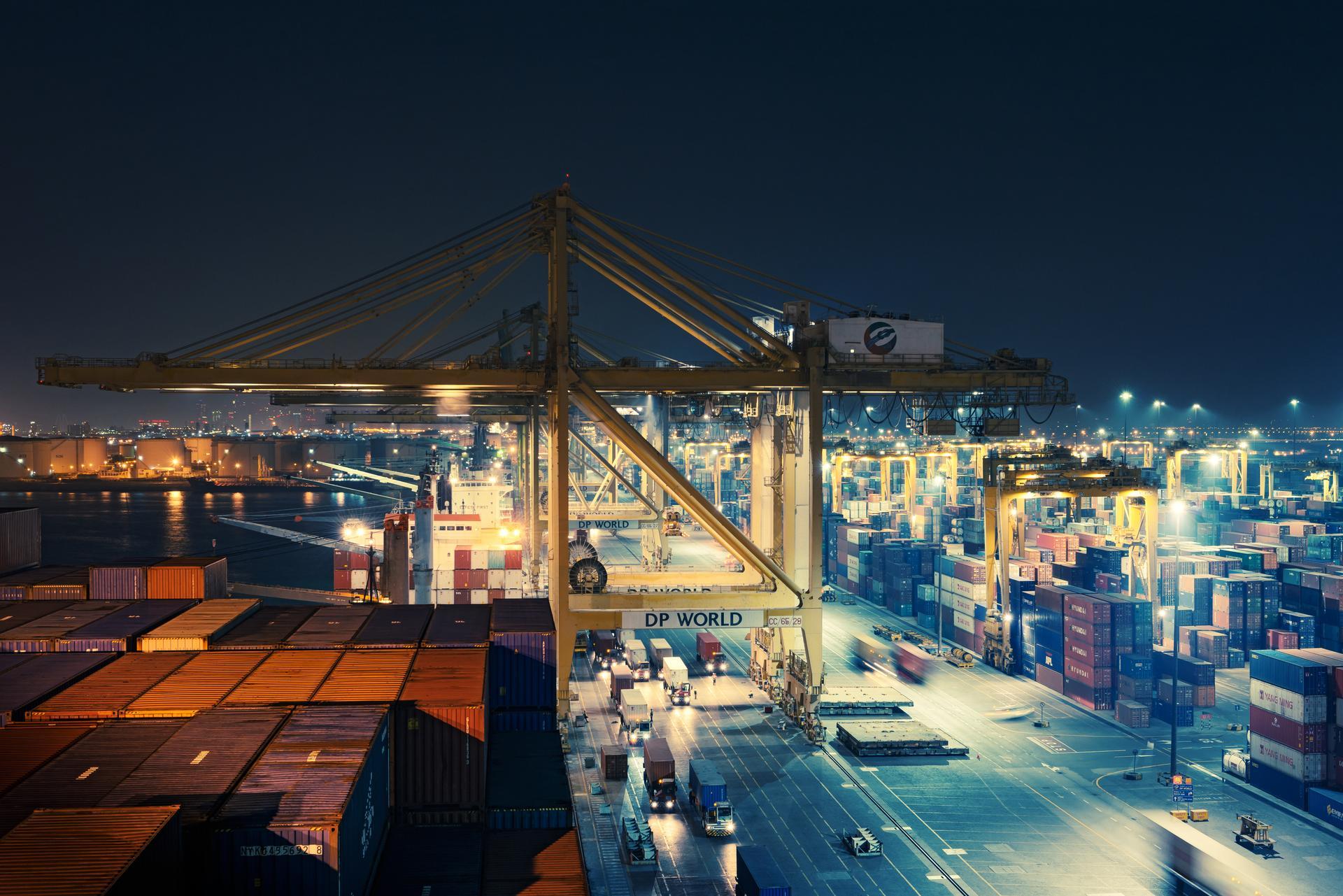
The Iran war supply chain impact is reshaping global commerce, with disruptions affecting food, energy, manufacturing, and logistics. Businesses are adapting, but the scale of the challenge remains significant.
In the short term, industries face rising costs and operational challenges. In the long term, the crisis may lead to a permanent transformation in how global supply chains are structured and managed.
As the situation develops, the world is witnessing a critical test of economic resilience in the face of geopolitical conflict.