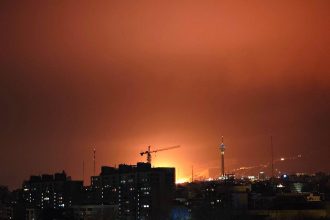
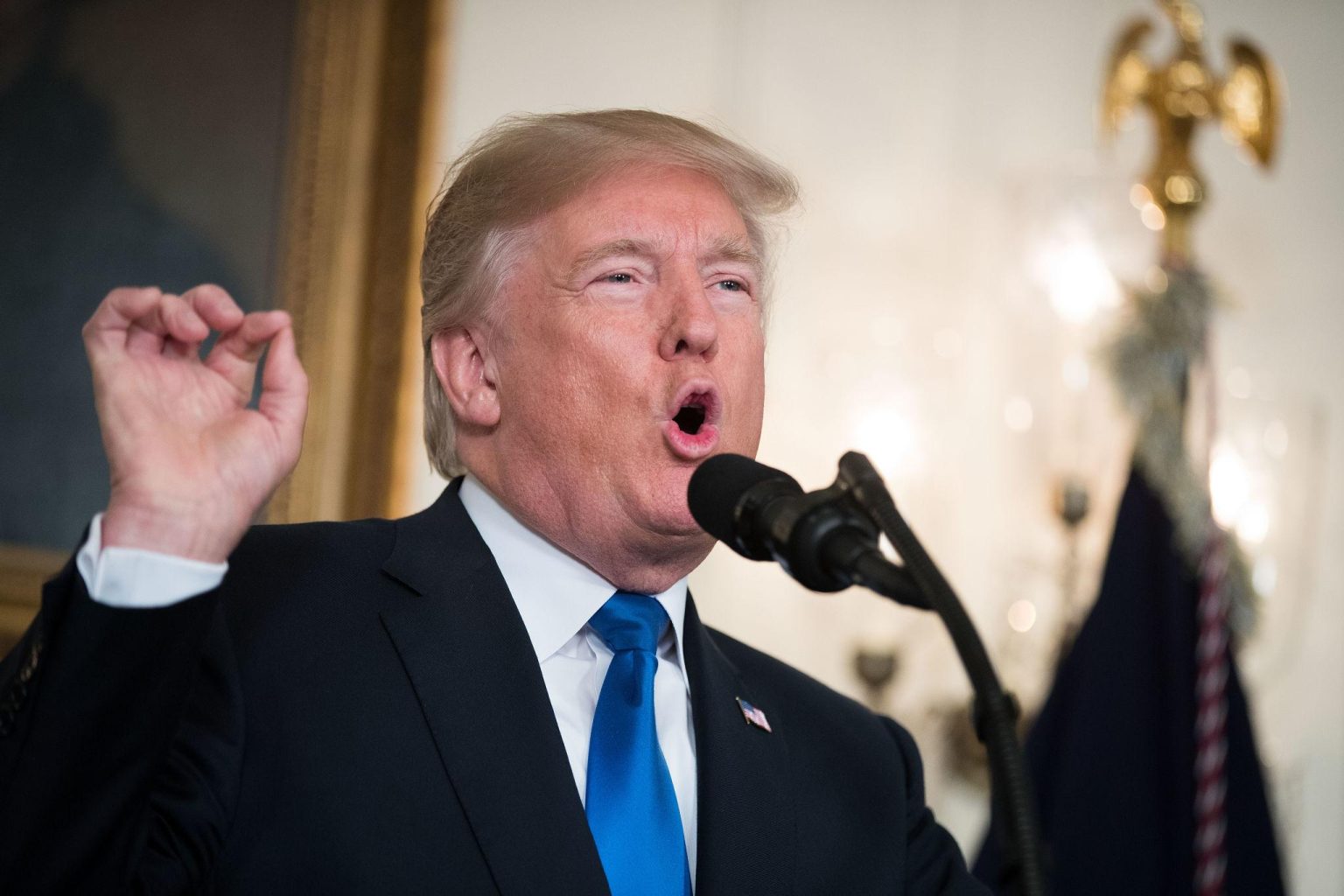
Washington D.C. – April 19, 2026 — Brussels Morning Newspaper – Middle East geopolitical tensions escalated sharply in 2026 as former U.S. President Donald Trump warned that if Iran refuses to accept a proposed deal, the United States could “knock out” key infrastructure, including power plants and bridges. The statement has intensified global concern and placed renewed focus on the fragile stability of the region.
- Escalation Signals Rising Middle East Geopolitical Tensions
- Infrastructure Threats Raise Civilian Impact Concerns
- Diplomatic Stalemate Deepens Crisis
- Global Leaders Urge Restraint
- Military Implications of Rising Tensions
- Economic Fallout and Market Volatility
- Political Context Behind the Warning
- Historical Context Shapes Current Crisis
- What Lies Ahead for the Region?
- A Defining Moment in Global Stability
The remarks come amid stalled negotiations between Washington and Iran, where diplomatic efforts have struggled to produce meaningful progress.
Escalation Signals Rising Middle East Geopolitical Tensions
The latest statement reflects a broader increase in Middle East geopolitical tensions, with rhetoric shifting toward a more confrontational tone. Analysts say such language may signal a strategic pivot toward pressure tactics rather than diplomacy.
Experts warn that when infrastructure becomes part of military threats, it marks a significant escalation in both policy and potential consequences.
A regional analyst commented:
“Targeting infrastructure, even rhetorically, raises the stakes dramatically and risks pulling multiple actors into a wider conflict.”
Infrastructure Threats Raise Civilian Impact Concerns
The focus on power plants and bridges has raised serious humanitarian concerns. These facilities are essential for civilian life, and any disruption could have cascading effects across healthcare, transportation, and daily living.
Human rights advocates argue that escalating Middle East geopolitical tensions in this manner could disproportionately harm civilian populations rather than military targets.
The debate over proportionality and ethics in modern conflict has resurfaced as global leaders assess the implications of such threats.
Diplomatic Stalemate Deepens Crisis
Negotiations between the United States and Iran remain at a standstill, contributing significantly to rising Middle East geopolitical tensions. Attempts to revive agreements related to nuclear activity and sanctions relief have repeatedly stalled.
Both sides appear entrenched in their positions, with limited willingness to compromise. This deadlock has increased uncertainty and heightened the risk of miscalculation.
A diplomatic source noted:
“Without renewed dialogue, the chances of escalation grow with every passing day.”
Global Leaders Urge Restraint
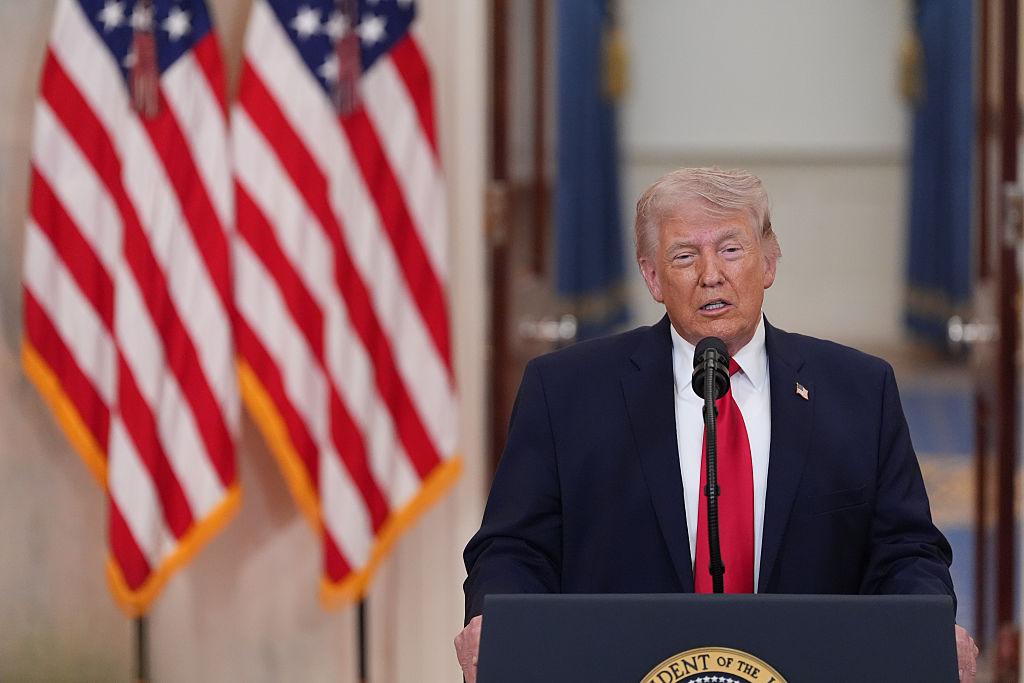
International reaction has been swift, with leaders across Europe and the Middle East calling for restraint. Concerns are mounting that heightened Middle East geopolitical tensions could trigger a broader regional crisis.
Many governments are advocating for a return to negotiations, emphasizing the importance of diplomacy in preventing conflict.
A European official stated:
“The situation demands calm leadership and renewed commitment to dialogue, not escalation.”
Military Implications of Rising Tensions
From a strategic perspective, threats against infrastructure signal a shift toward more aggressive military considerations. Analysts warn that such developments could provoke retaliation and escalate conflict.
The increase in Middle East geopolitical tensions has raised concerns about potential disruptions to key trade routes and regional alliances.
Military experts caution that modern conflicts involving infrastructure often lead to prolonged instability rather than quick resolutions.
Economic Fallout and Market Volatility
Global markets have responded cautiously to the rising Middle East geopolitical tensions. Energy prices, particularly oil, have shown signs of volatility as investors assess potential risks.
Iran’s role in global energy supply makes the situation particularly sensitive, with any disruption likely to have widespread economic consequences.
Economists warn that prolonged instability could impact global inflation, trade, and investment confidence.
Political Context Behind the Warning
Trump’s statement comes within a broader political landscape where foreign policy remains a key issue. His approach reflects a continuation of hardline strategies that prioritize strength and deterrence.
Supporters argue that firm rhetoric strengthens negotiating leverage, while critics warn it increases the likelihood of conflict.
The rise in Middle East geopolitical tensions has become central to political discourse, influencing both domestic and international perspectives.
Historical Context Shapes Current Crisis
The relationship between the United States and Iran has been defined by decades of tension, negotiation, and conflict. The current rise in Middle East geopolitical tensions builds on this complex history.
Understanding past agreements, disputes, and geopolitical dynamics is essential to evaluating the significance of recent developments.
What Lies Ahead for the Region?
The future of Middle East geopolitical tensions remains uncertain. Diplomatic channels are still open, but progress appears limited.
Experts suggest that the next phase will depend on political decisions, international pressure, and the willingness of both sides to engage in meaningful dialogue.
A Defining Moment in Global Stability
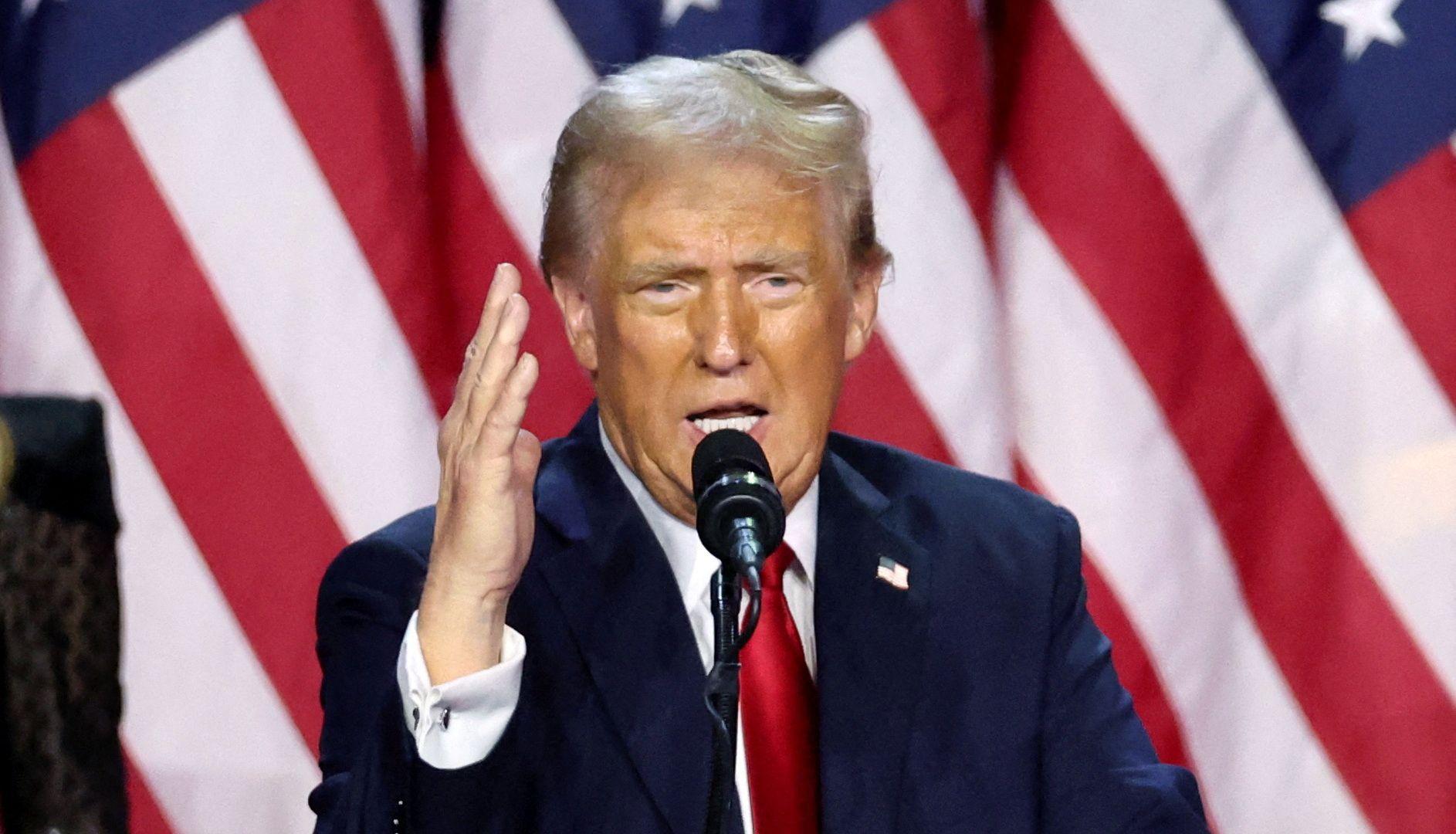
The sharp rise in Middle East geopolitical tensions following Trump’s warning marks a critical moment in international relations. The potential targeting of infrastructure has raised humanitarian, military, and economic concerns worldwide.
While diplomacy remains the preferred solution, the increasing use of aggressive rhetoric signals a shift toward a more confrontational environment.
In summary, the situation underscores the fragile balance between negotiation and escalation. The coming weeks will be crucial in determining whether tensions ease or intensify further.