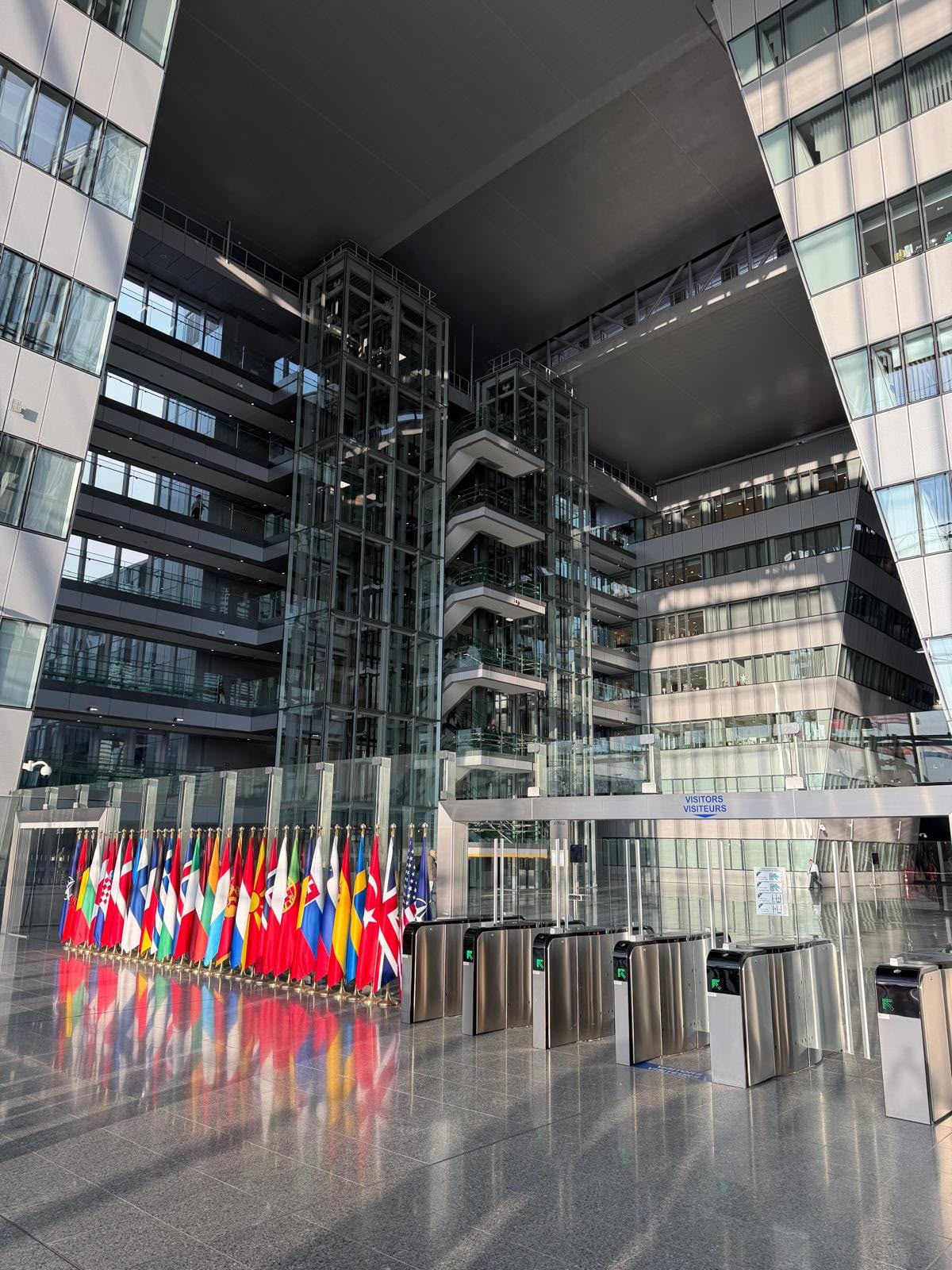
Beyond defence spending commitments and discussions on Ukraine, the Ankara Summit was also marked by carefully choreographed diplomacy and symbolism.
One of the most talked-about moments among delegates was the hospitality offered by Turkish President Recep Tayyip Erdoğan. Leaders were welcomed with an official state dinner that showcased Turkish culture and cuisine, creating an atmosphere that contrasted with the often tense geopolitical discussions taking place behind closed doors. Such events are more than protocol; they provide opportunities for informal conversations that can sometimes achieve more than formal negotiations.
Several bilateral meetings took place on the sidelines of the summit. These included discussions between Türkiye and key European allies, meetings focused on defence cooperation, and talks related to regional security challenges in the Black Sea, the Middle East and migration. While summit declarations often attract headlines, many diplomats acknowledge that these smaller meetings are where practical agreements and future partnerships begin to take shape.
The gifts exchanged during the summit also carried symbolic significance. Diplomatic gifts are rarely random; they are intended to reflect national identity and strengthen personal relationships between leaders. President Erdoğan reportedly presented guests with items highlighting Türkiye’s cultural heritage and craftsmanship. In international diplomacy, such gestures are designed to leave a lasting impression and reinforce goodwill beyond official statements.
From a broader perspective, the Ankara Summit appeared to be as much about political messaging as military strategy. NATO sought to demonstrate unity at a time when questions persist about burden-sharing and the future of transatlantic relations. Türkiye, meanwhile, used the occasion to underline its importance within the Alliance and its role as a regional power connecting Europe, Asia and the Middle East.
My assessment is that the summit’s greatest achievement was not any single announcement but the image of cohesion it projected. While disagreements remain among allies on defence budgets, regional priorities and foreign policy approaches, NATO leaders largely avoided public divisions and focused on common challenges. Whether the commitments made in Ankara translate into concrete action will ultimately determine the summit’s long-term significance.
For Türkiye, the summit was also a diplomatic success. Hosting world leaders, facilitating high-level meetings and positioning itself at the centre of major security discussions reinforced Ankara’s strategic relevance at a time when global alliances are being tested by war, economic uncertainty and shifting geopolitical dynamics.