JERUSALEM, Israel, June 22 – Brussels Morning Newspaper — Iran nuclear program remains one of the most closely watched global security issues as Israeli officials, U.S. policymakers, and international allies continue evaluating the impact of recent diplomatic efforts involving Tehran. While negotiations have renewed debate over regional stability, Israeli leaders have repeatedly emphasized that preventing Iran from developing a nuclear weapon remains a national security priority.
Supporters of President Donald Trump argue that his previous administration’s policies—including economic sanctions and the maximum pressure campaign—significantly weakened Iran’s ability to expand its nuclear activities. At the same time, critics continue to question whether any diplomatic agreement can effectively limit the Iran nuclear program without strict verification and enforcement mechanisms.
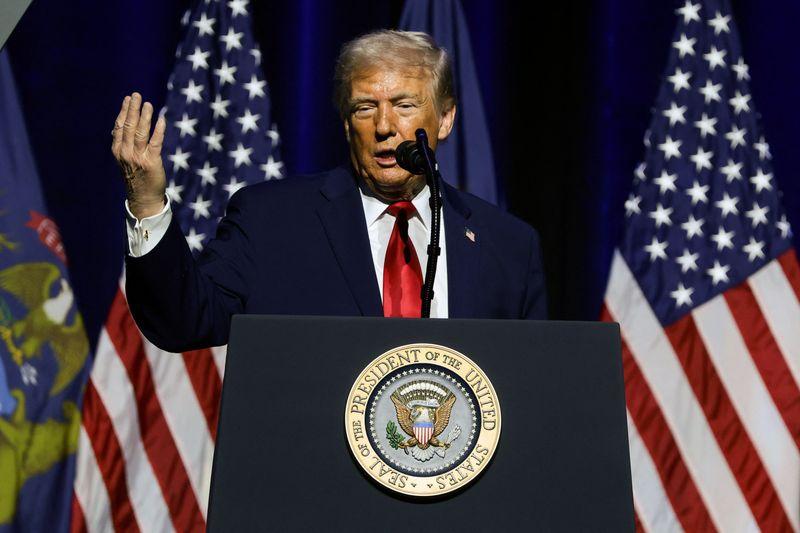
“Iran can never have a nuclear weapon,”
President Donald Trump has repeatedly stated while outlining his administration’s position on Tehran’s nuclear ambitions.
Security analysts note that the Iran nuclear program remains central to discussions involving intelligence cooperation, regional defense planning, and future U.S.-Israel relations. Israeli defense officials continue monitoring uranium enrichment, ballistic missile development, and the activities of Iranian-backed groups throughout the Middle East.
International inspectors and Western governments have stressed that transparency and independent monitoring will determine whether future diplomatic efforts can successfully limit the Iran nuclear program. Analysts also caution that implementation will be more important than political announcements, with compliance expected to remain under continuous international observation.
Financial markets are also watching developments closely, as any significant changes involving the Iran nuclear program could influence global energy prices, investor confidence, and geopolitical stability. For now, the issue remains one of the world’s most sensitive foreign policy challenges, with governments across Europe, the Middle East, and North America continuing to assess both diplomatic progress and regional security risks.