Tehran – April 19, 2026 — Brussels Morning Newspaper – Iran military strategy update developments escalated sharply in 2026 as Iran’s Supreme Leader Ali Khamenei condemned the United States and Israel, calling recent actions the “height of desperation.” The remarks come amid ongoing military pressure, stalled diplomacy, and a fragile ceasefire environment that continues to raise global concern.
- Iran Military Strategy Update Signals Strategic Shift
- Escalation Driven by Regional Conflict Pressure
- Diplomatic Breakdown Fuels Strategic Posturing
- Military Readiness and Tactical Positioning
- Global Reactions Reflect Heightened Concern
- Economic Impact and Energy Risks
- Political Context Behind the Escalation
- Historical Context Influences Current Strategy
- What Comes Next?
- A Critical Turning Point
The statement reflects a broader shift in Iran’s posture, where military signaling and strategic messaging are increasingly central to the unfolding crisis.
Iran Military Strategy Update Signals Strategic Shift
Recent developments indicate a significant shift in Iran military strategy update dynamics, with Tehran adopting a more assertive stance. Officials have emphasized readiness and resilience, suggesting that Iran is prepared for prolonged confrontation if necessary.
Military analysts point to a transition from defensive positioning to a more proactive strategy, including naval drills, missile readiness, and control over key waterways.
A regional security expert stated:
“Iran’s messaging is no longer purely defensive. It signals calculated escalation designed to deter adversaries while maintaining strategic leverage.”
Escalation Driven by Regional Conflict Pressure
The ongoing conflict involving the United States and Israel has intensified Iran military strategy update considerations. Airstrikes, retaliatory attacks, and military positioning have created a volatile environment.
Reports indicate that recent strikes targeted key infrastructure and leadership figures, further fueling tensions and reinforcing Iran’s hardened stance.
Iran’s leadership has framed these developments as external aggression, justifying a more aggressive strategic response.
Diplomatic Breakdown Fuels Strategic Posturing
Diplomatic efforts remain fragile, contributing to rising Iran military strategy update tensions. Negotiations have stalled, with both sides maintaining firm positions on critical issues such as nuclear policy and sanctions.
Despite ongoing discussions, progress has been limited, increasing the likelihood of further escalation.
A diplomatic insider noted:
“When diplomacy stalls, military strategy becomes the primary language of communication.”
Military Readiness and Tactical Positioning
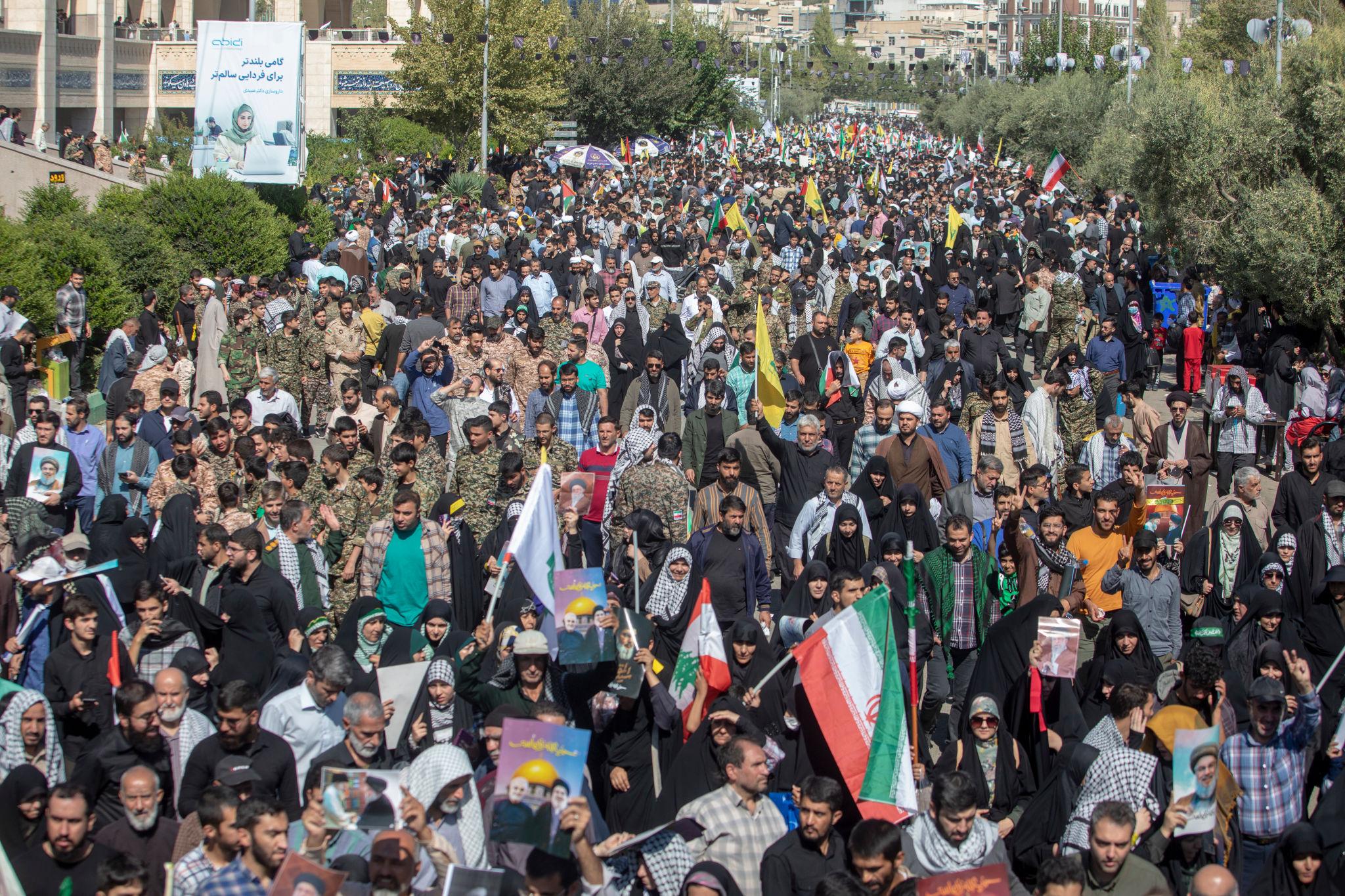
Iran’s military posture has become a central component of the Iran military strategy update narrative. Officials have highlighted missile capabilities, naval strength, and regional alliances as key elements of deterrence.
Recent warnings from Iranian military figures suggest readiness to respond decisively to any perceived threat, including targeting adversarial assets in the region.
Strategic waterways such as the Strait of Hormuz remain critical leverage points in Iran’s approach.
Global Reactions Reflect Heightened Concern
The international community has responded cautiously to the evolving Iran military strategy update situation. Governments and global institutions have called for restraint, emphasizing the risks of escalation.
Concerns extend beyond regional stability, with implications for global security, trade, and energy markets.
A European official commented:
“The stakes are extraordinarily high. Any miscalculation could have far-reaching consequences.”
Economic Impact and Energy Risks
The escalation in Iran military strategy update tensions has already affected global markets. Oil prices have shown volatility, reflecting concerns about potential disruptions in the Middle East.
Iran’s strategic role in energy supply routes amplifies the economic impact of ongoing tensions. Disruptions to shipping lanes or production could have global consequences.
Analysts warn that prolonged instability may contribute to inflation, supply chain disruptions, and economic uncertainty.
Political Context Behind the Escalation
The current Iran military strategy update developments are shaped by complex political dynamics. Leadership decisions, domestic pressures, and international relations all play a role in shaping strategy.
In Iran, leadership rhetoric emphasizes resistance and sovereignty, while in the United States, foreign policy remains a key political issue.
This interplay adds complexity to an already volatile situation.
Historical Context Influences Current Strategy
Understanding the historical backdrop is essential to interpreting the Iran military strategy update. Decades of conflict, negotiation, and shifting alliances have shaped Iran’s approach to regional and global relations.
Past experiences continue to influence current decisions, reinforcing patterns of tension and strategic competition.
What Comes Next?
The future of the Iran military strategy update remains uncertain. While diplomatic channels remain open, progress appears limited, and tensions continue to rise.
Experts suggest that the coming weeks will be critical in determining whether escalation continues or a path toward de-escalation emerges.
A Critical Turning Point
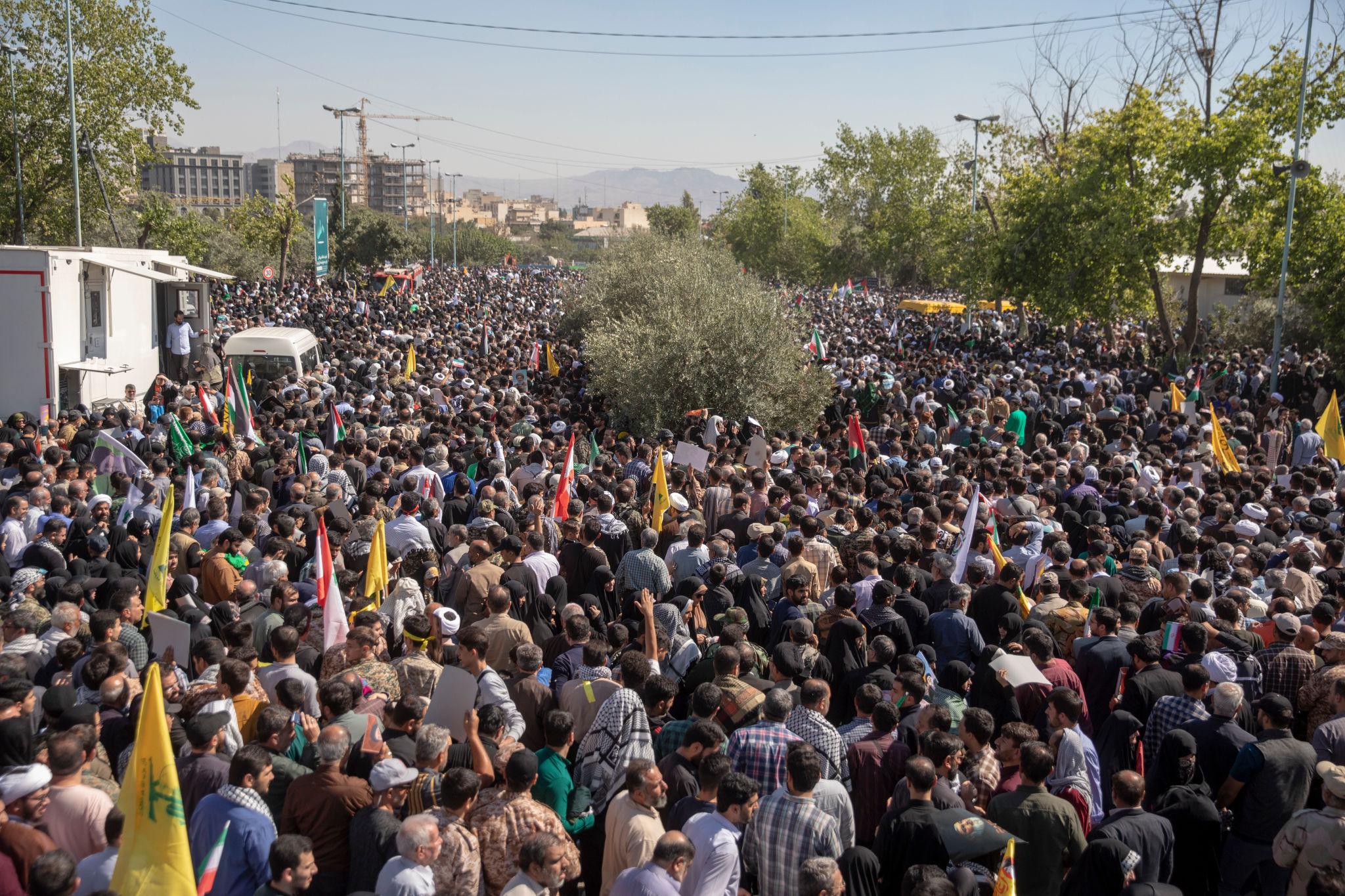
The latest Iran military strategy update highlights a pivotal moment in global geopolitics. Iran’s strong criticism of the United States and Israel reflects growing tensions and signals a potential shift toward further confrontation.
While diplomacy remains the preferred path, the increasing reliance on military strategy underscores the seriousness of the situation.
In summary, the balance between escalation and resolution remains fragile. The decisions made in the near future will shape regional stability and global security.