BEIRUT, March 4, 2026 — Civilian relocation Lebanon has accelerated across southern districts as security concerns along the border prompt families to move north toward safer areas. Brussels Morning Newspaper observes that the scale of displacement in early 2026 reflects rising regional tensions, growing diplomatic urgency, and mounting humanitarian coordination efforts within Lebanon’s urban centers.
Local authorities confirmed that precautionary advisories have led thousands of residents to temporarily leave villages south of the Litani River. The movement has reshaped daily life in both rural communities and the capital, as transportation networks, schools, and relief agencies respond to an evolving security climate.
Civilian relocation Lebanon is now at the center of political debate, humanitarian planning, and diplomatic engagement, marking one of the most consequential developments in the region this year.
Escalation Near the Southern Border
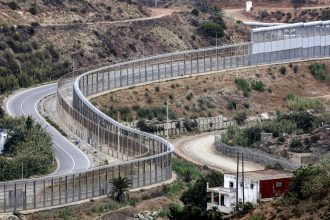
Security dynamics along Lebanon’s southern frontier have intensified in recent weeks. Military activity, cross border exchanges, and heightened alert levels have created uncertainty for communities living near the boundary.
Government officials described the relocation as precautionary, emphasizing that protecting civilians remains the top priority. The advisory affects multiple villages and agricultural zones, many of which depend on seasonal harvests and cross border commerce.
Civilian relocation Lebanon has therefore disrupted not only households but also regional economic patterns. Farmers are leaving orchards, shop owners are closing storefronts, and transport routes are adjusting to increased traffic heading north.
Security analysts explain that geographic lines such as the Litani River often serve as reference points in operational planning. Moving civilians beyond this line reduces immediate exposure to potential hostilities.

Humanitarian Infrastructure Under Pressure
As families arrive in Beirut and surrounding districts, local authorities are working alongside aid organizations to manage temporary shelter capacity. Schools, municipal halls, and sports facilities are being evaluated as housing options.
Relief agencies have mobilized food supplies, hygiene kits, and medical teams. Volunteers across the capital have organized donation drives to assist newcomers. Civilian relocation Lebanon is stretching local resources, but community solidarity remains strong.
Humanitarian coordinators stress the importance of maintaining accurate registration records to ensure equitable distribution of aid. They also highlight the psychological impact of displacement, particularly on children and elderly residents.
One humanitarian worker noted,
“Our immediate focus is providing stability and reassurance for families facing sudden change.”
The comment reflects the broader challenge of balancing logistics with emotional support.
Political Reactions Inside Lebanon
The displacement has intensified debate within Lebanon’s parliament. Lawmakers across party lines have called for calm, diplomatic engagement, and transparent communication with affected communities.
Civilian relocation Lebanon has become a focal point in national discourse. Some political leaders emphasize the need for international mediation to reduce tensions. Others advocate for strengthening domestic emergency response systems.
Government officials insist that precautionary measures are temporary and designed to prevent harm. Yet critics question how long families may remain displaced if diplomatic efforts stall.
The evolving political conversation underscores how security decisions ripple into governance and public trust.
Regional Diplomacy and International Monitoring
Diplomatic channels remain active as regional actors attempt to prevent escalation. International envoys have urged restraint and encouraged dialogue between parties.
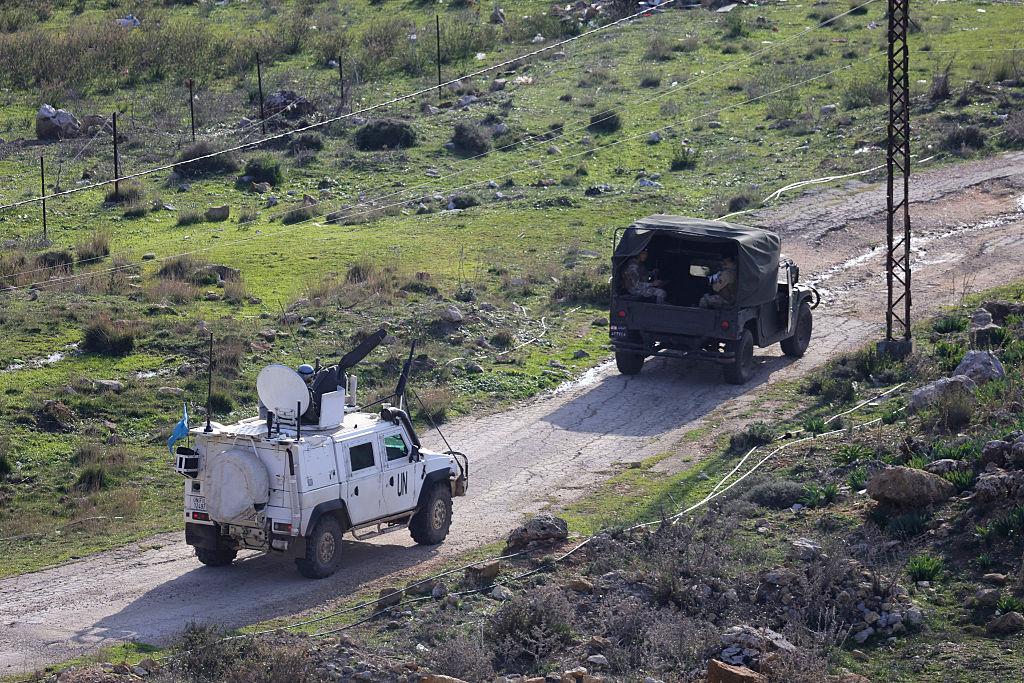
Peacekeeping forces operating in southern Lebanon continue monitoring developments. Civilian relocation Lebanon has prompted renewed attention from global institutions concerned about humanitarian law and civilian protection.
European and Middle Eastern governments are closely watching events, aware that prolonged instability could affect broader regional stability. Energy markets and trade corridors remain sensitive to geopolitical shifts.
Diplomats emphasize that open communication and de escalation remain essential to preventing deeper conflict.
Economic Consequences Beyond the Border
The displacement carries measurable economic implications. Southern Lebanon’s agricultural sector contributes significantly to local markets, particularly olive and citrus production.
Civilian relocation Lebanon interrupts planting cycles and harvest schedules. Temporary closures of small businesses reduce income for families already facing financial strain.
Economists warn that prolonged uncertainty may deter investment and slow recovery efforts in rural districts. Urban areas absorbing displaced populations must also manage increased demand for public services.
Transportation costs have risen as fuel usage increases and supply chains adjust. While markets have not experienced severe disruption, analysts caution that sustained tension could alter economic forecasts.
Community Voices From Displaced Families
In Beirut’s northern suburbs, families describe hurried departures and uncertain timelines. Parents express concern about schooling interruptions and employment stability.
One displaced resident shared,
“We left quickly because safety comes first, but we hope to return home soon.”
The sentiment captures a common theme among those affected.
Civilian relocation Lebanon is not merely a strategic decision; it represents lived experience marked by anxiety, resilience, and hope.
Local community groups are organizing cultural and recreational activities to maintain morale among children. Psychologists have volunteered to provide counseling services to families coping with abrupt change.
Media Coverage and Public Awareness
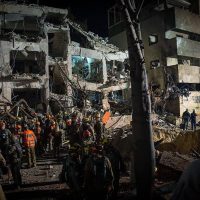
Domestic and international media outlets have dedicated significant coverage to the unfolding situation. Visual images of families on highways and shelters filling with new arrivals have amplified public awareness.
Civilian relocation Lebanon is trending across digital platforms, drawing commentary from analysts and advocacy groups. Information dissemination has become critical to preventing misinformation and panic.
Government spokespeople are holding regular briefings to clarify developments and reassure citizens. Transparency, officials argue, strengthens confidence during periods of uncertainty.
Historical Patterns of Displacement in Southern Lebanon
Southern Lebanon has experienced episodes of displacement during previous decades of border tension. The Litani River has often served as a geographic reference point in security arrangements and ceasefire discussions.
Historical context helps explain the emotional weight attached to present developments. Many families recall earlier periods when relocation became a recurring feature of life near the border.
While today’s circumstances differ from past conflicts, memories of disruption remain vivid. Civilian relocation Lebanon resonates deeply because it echoes those earlier chapters.
Analysts caution against drawing direct parallels, noting that diplomatic structures and international oversight have evolved. Nevertheless, historical awareness shapes public perception and policy debate.
Security Calculations and Civilian Protection
Defense experts argue that early evacuation advisories are designed to reduce unintended harm. By moving civilians away from potential flashpoints, authorities aim to minimize risk.
Civilian relocation Lebanon illustrates the tension between military preparedness and humanitarian responsibility. Strategic decisions must account for civilian welfare alongside security objectives.
International law emphasizes the protection of noncombatants, and global institutions are monitoring compliance closely. Clear communication, experts say, is essential to maintaining credibility.
Military analysts stress that temporary relocation can prevent longer term tragedy if hostilities escalate unexpectedly.
Education and Youth Disruption
Children constitute a significant portion of those displaced. Schools in Beirut are preparing to integrate new students, though capacity challenges remain.
Civilian relocation Lebanon affects academic continuity, exam schedules, and extracurricular programs. Education officials are coordinating with humanitarian agencies to ensure minimal disruption.
Teachers and counselors have been briefed on trauma sensitive approaches to support students adjusting to new environments.
Maintaining routine, educators say, helps restore a sense of normalcy during unstable times.
Health Services and Medical Preparedness
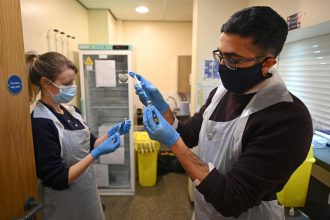
Healthcare facilities in urban centers are expanding capacity to accommodate displaced residents. Mobile clinics are being deployed to temporary shelters.
Civilian relocation Lebanon places additional demand on vaccination programs, maternal care services, and emergency treatment units.
Medical professionals emphasize the importance of sanitation infrastructure in temporary housing to prevent outbreaks of communicable diseases.
International health agencies are collaborating with local hospitals to maintain supply chains for essential medications.
Infrastructure and Urban Planning Challenges
Rapid population shifts require adjustments in transportation systems, water supply networks, and waste management services.
Civilian relocation Lebanon has highlighted the resilience of Beirut’s infrastructure while exposing vulnerabilities in rural districts.
Urban planners note that flexible contingency strategies are essential for responding to sudden demographic changes.
Investment in emergency preparedness, they argue, strengthens national capacity to manage future crises.
Diplomatic Prospects and Regional Stability
Behind the scenes, negotiations continue to prevent escalation. Mediators emphasize incremental confidence building measures as pathways toward stability.
Civilian relocation Lebanon may remain temporary if diplomatic breakthroughs reduce tensions. Conversely, prolonged uncertainty could deepen displacement patterns.
Political leaders stress the importance of measured rhetoric and coordinated messaging to prevent misunderstandings.
International observers remain cautiously optimistic that dialogue will prevail.
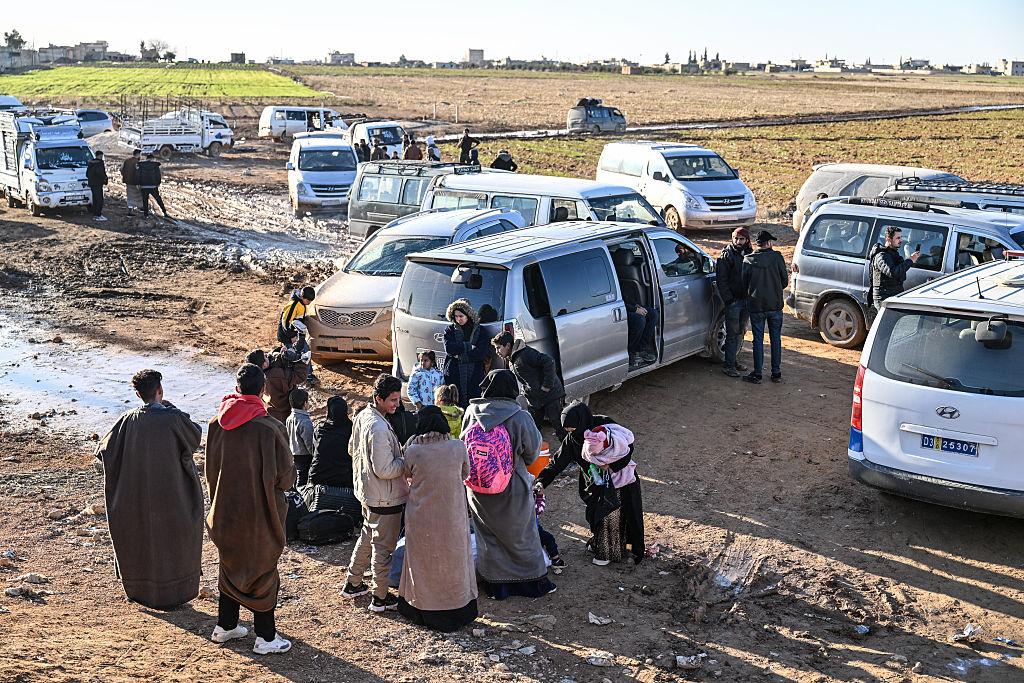
A Nation Balancing Security and Humanity
As Lebanon navigates early 2026, the unfolding developments reveal the delicate balance between security calculations and humanitarian responsibility.
Civilian relocation Lebanon underscores the human dimension of geopolitical tension. While policymakers deliberate and diplomats negotiate, families adapt to immediate realities.
The resilience displayed by communities in Beirut and beyond reflects enduring solidarity amid uncertainty. Long term stability will depend on diplomatic progress, economic recovery, and sustained commitment to civilian protection.
For now, the nation watches closely, aware that decisions made in coming weeks will shape the trajectory of both local communities and regional peace.