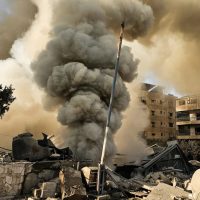
ANKARA, March 4, 2026 — Turkiye says missile destroyed a strategic target during a high-tension security operation, as Iran death toll at 1,145 as missile destroys infrastructure continues to send shockwaves across the region. Brussels Morning Newspaper notes that the announcement from Ankara comes at a critical moment in 2026, with diplomatic channels under pressure and humanitarian concerns mounting. Turkish officials described the strike as measured and intelligence driven, while regional leaders urged calm amid fears of broader escalation.
Authorities confirmed that the missile strike was executed following what they characterized as credible security assessments. The confirmation that Turkiye says missile destroyed the designated site has intensified international attention, especially as casualty figures in Iran remain severe.
Official Statement From Ankara
Senior defense officials addressed national media hours after confirmation of the operation. In a detailed briefing, they reiterated that the strike targeted a facility considered a strategic threat.
Turkiye says missile destroyed the structure with precision technology, emphasizing that the action was limited in scope. Officials stressed that civilian harm was not the objective and that precautionary assessments were conducted before authorization.
A government spokesperson stated,
“Our priority is protecting national security while minimizing the risk to civilians and maintaining regional stability.”
The statement sought to reinforce Ankara’s message that the operation was both deliberate and restrained.

Humanitarian Fallout as Iran Death Toll Climbs
The regional impact is underscored by the Iran death toll at 1,145 as missile destroys key infrastructure and surrounding areas. Emergency crews continue to recover victims and assist the injured.
Hospitals in affected Iranian provinces report strain on medical capacity. Relief agencies are coordinating to provide food, shelter, and medical supplies.
While Turkiye says missile destroyed a strategic objective, humanitarian organizations stress that casualty figures illustrate the human cost of regional tensions. Displacement, trauma, and economic disruption are already visible across affected communities.
International observers emphasize that humanitarian relief must remain a priority alongside diplomatic efforts.
Regional Diplomatic Reactions
Neighboring governments responded cautiously. Some called for immediate de escalation, while others sought clarity regarding the scope of the operation.
Turkiye says missile destroyed a targeted installation, but diplomats warn that perceptions matter as much as intent. International envoys have engaged in consultations to prevent retaliatory escalation.
A senior European diplomat commented,
“Stability requires communication, restraint, and clarity from all parties involved.”
The sentiment reflects broader global concerns that further miscalculation could deepen instability.
Security Calculations and Strategic Messaging
Defense analysts suggest the strike may have been designed to send a controlled deterrent signal. Turkiye says missile destroyed a site associated with perceived threats, aiming to demonstrate readiness without triggering open conflict.
Military strategists explain that limited operations often serve as warning signals. However, they caution that escalation can occur rapidly if diplomatic coordination falters.
Strategic messaging following such operations is critical. Officials in Ankara emphasized transparency and proportionality in their public statements.
Domestic Political Implications
Within Turkiye, the announcement has sparked discussion among lawmakers and policy experts. Supporters argue that decisive action reinforces national security credibility.
Opposition voices call for parliamentary oversight and continued diplomatic outreach. Turkiye says missile destroyed a threat linked to broader security concerns, yet public discourse continues over long term consequences.
Political analysts note that security decisions often shape domestic political narratives, particularly during periods of regional volatility.
International Law and Accountability
Legal scholars emphasize that cross border operations must adhere to principles of necessity and proportionality. Turkiye says missile destroyed the target within the framework of self defense, according to official statements.
Independent observers are assessing available evidence to determine compliance with international humanitarian law.
Global institutions are monitoring developments closely. Transparency and accountability are central to maintaining international legitimacy.

Economic Ripples Across Markets
Financial markets responded with measured caution following the announcement. Energy prices showed temporary volatility, reflecting concerns about regional supply routes.
Turkiye says missile destroyed a strategic installation, and analysts note that such developments can influence investor sentiment, particularly in defense and logistics sectors.
Economists highlight the importance of diplomatic stabilization to prevent prolonged market disruption.
Historical Perspective on Missile Deterrence
Missile operations have historically shaped regional deterrence strategies. From Cold War posturing to contemporary security frameworks, limited strikes have often signaled intent without escalating into full scale conflict.
The declaration that Turkiye says missile destroyed a specific facility echoes earlier episodes where calibrated force was employed to reinforce red lines. Historical precedent demonstrates that outcomes depend heavily on subsequent diplomatic engagement.
While some past incidents concluded with negotiated de escalation, others intensified confrontation. Analysts caution that history provides context but not certainty.
Civilian Voices and Community Impact
Beyond official briefings, ordinary citizens are grappling with uncertainty. Families in affected Iranian regions face grief and displacement.
The Iran death toll at 1,145 as missile destroys surrounding infrastructure underscores the emotional toll. Community leaders are organizing support networks for survivors.
Public sentiment in Turkiye reflects a mix of national solidarity and concern about future developments.
Media Coverage and Global Narrative
International media outlets have extensively covered the announcement. Turkiye says missile destroyed the target has become a focal phrase across headlines and digital platforms.
Analysts observe that narrative framing influences global perception. Clear communication from officials may reduce misinformation.
Social media discussions have further amplified the issue, reflecting the interconnected nature of modern geopolitics.
Alliance Dynamics and Strategic Stability
Regional alliances remain active despite heightened rhetoric. Defense partnerships and intelligence sharing frameworks continue functioning.
Turkiye says missile destroyed a strategic site within a broader security architecture designed to deter aggression.
Security experts emphasize that sustained communication among allies mitigates escalation risk.
Diplomatic engagement continues behind closed doors to preserve equilibrium.
Turning Point for 2026 Regional Security
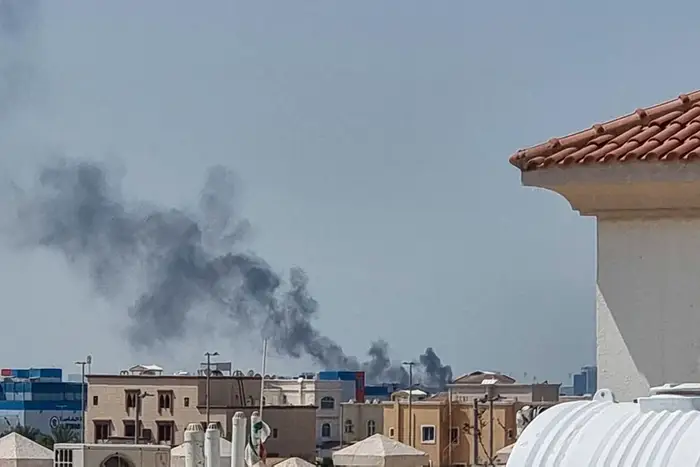
The events of March 2026 represent a defining moment. Turkiye says missile destroyed a strategic target amid rising casualty figures in Iran, placing the region at a delicate crossroads.
Diplomats, defense planners, and humanitarian organizations are navigating interconnected challenges.
The trajectory of regional stability will depend on measured responses, transparent communication, and sustained diplomatic outreach.
As 2026 unfolds, the balance between deterrence and diplomacy remains critical. Decisions made in the coming weeks may shape geopolitical dynamics for months to come.