Strategic Objectives in Washington
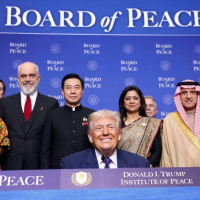
The primary focus for the Lebanese delegation will be the immediate cessation of aerial bombardments that have devastated public infrastructure across the southern regions and parts of the capital. These Lebanon Israel talks are being facilitated by the U.S. State Department, with Ambassador Nada Hamadeh Moawad expected to lead the negotiations for the Lebanese side. The agenda is expected to be fraught with difficulty, as the objectives of the two nations remain diametrically opposed on several key security issues. For Beirut, the priority is a withdrawal of foreign forces and the safe return of its displaced population.
However, the path to a sustainable agreement is obstructed by the ongoing military reality on the ground. Despite the announcement of the summit, military operations have not slowed, and the humanitarian crisis continues to deepen. The government is under immense pressure from a public that has largely lost faith in the state’s ability to protect its citizens. As the delegates prepare their briefs, the shadow of past failed agreements looms large over the current diplomatic effort.
Internal Political Friction and Hezbollah
A major complication for the success of the Lebanon Israel talks is the internal division within Lebanon itself. Hezbollah, the powerful armed group currently engaged in active combat, has voiced strong opposition to the concept of direct negotiations with the southern neighbor. This stance places the central government in a precarious position, as any agreement reached in Washington may be impossible to implement without the consent of all domestic factions. The state’s leverage is significantly weakened by this lack of internal cohesion.
“We’re weak because we’re unclear on the terms of reference of negotiations, divided over the question of negotiations, because our demands will be rejected and because we cannot do what we need to do to secure an Israeli withdrawal,” stated Michael Young of the Carnegie Endowment’s Middle East Center. This sentiment reflects the broader anxiety within the political establishment regarding the state’s actual authority. If the central government cannot guarantee the disarmament or cooperation of paramilitary groups, the Israeli cabinet may view the negotiations as a purely symbolic exercise.
Humanitarian Impact of the Conflict
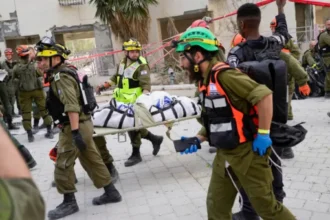
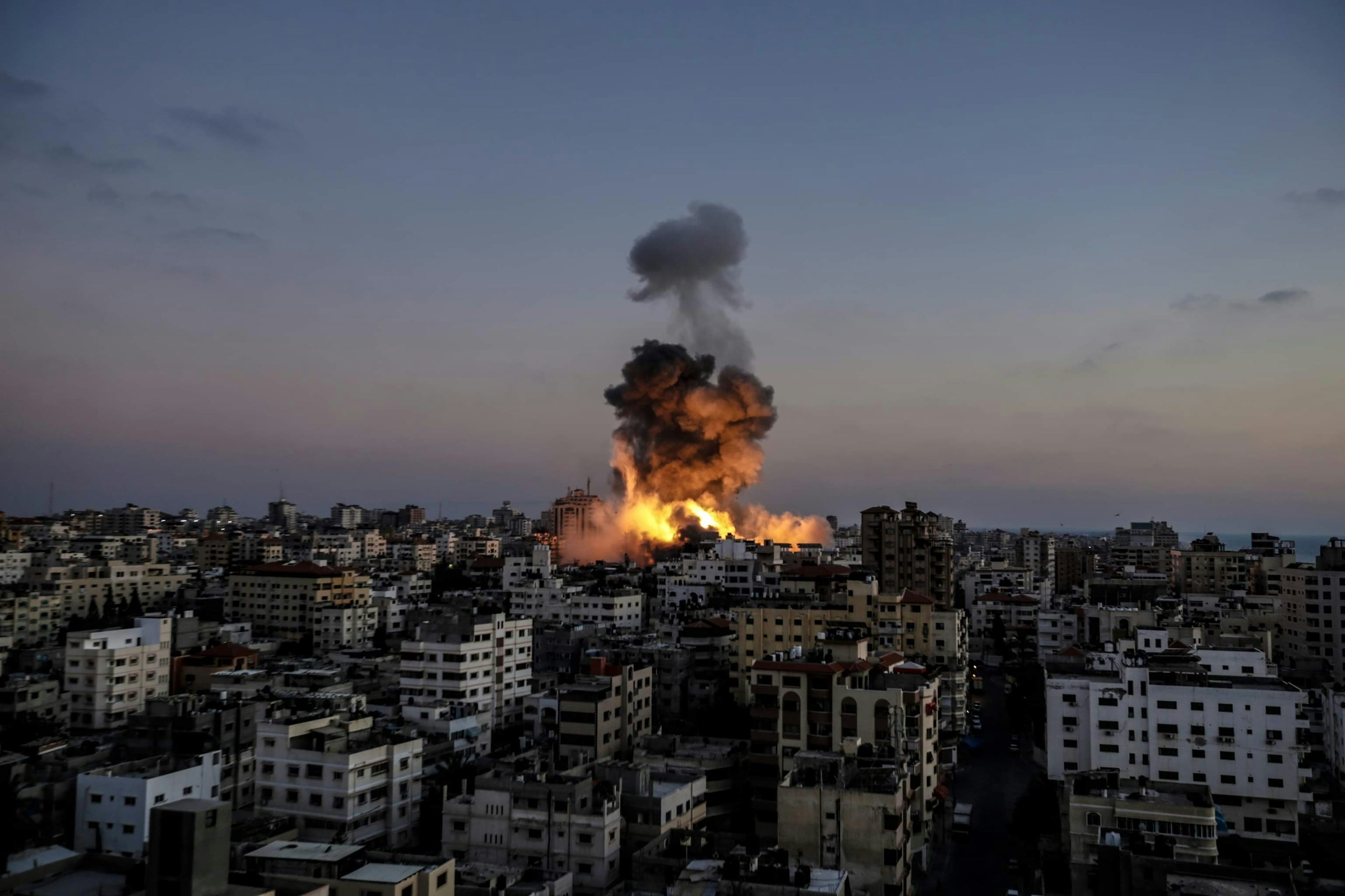
The human cost of the month-long war serves as the backdrop for the Lebanon Israel talks. Over 1,700 civilians have been killed since late February, and the destruction of the financial system has left the state unable to provide adequate relief to the millions of displaced persons. In cities like Tyre and Sidon, families are living in makeshift shelters, waiting for any sign that the diplomacy in Washington will yield a ceasefire. The destruction of public utilities, including electricity and water networks, has further isolated communities in the south.
The international community has ramped up aid efforts, but officials acknowledge that only a political solution can resolve the crisis. The upcoming Lebanon Israel talks are seen as the final opportunity to avoid a prolonged occupation or a total humanitarian catastrophe. For many Lebanese, the negotiations are a matter of survival rather than high-level politics, as the daily threat of strikes remains a constant reality for those who could not flee the conflict zones.
Beyond the diplomatic stage in Washington
This sudden diplomatic pivot suggests a high-stakes gamble by Washington to decouple the Lebanese crisis from the broader Iranian shadow, yet it risks backfiring if the Lebanese state cannot project actual authority over its own territory. For the West, a failed summit wouldn’t just mean continued violence; it could signal the final evaporation of the Lebanese state as a viable political entity, creating a permanent vacuum on the Mediterranean’s edge. If these talks fail to produce more than symbolic gestures, the future landscape will likely be defined by a fragmented patchwork of local militias, further complicating European security and making any long-term regional stability an impossibility.
Israeli Demands and Security Corridors
From the perspective of the Israeli leadership, the Lebanon Israel talks must address the long-term security of its northern border. Prime Minister Benjamin Netanyahu has indicated that any peace agreement must include the full disarmament of Hezbollah and a verifiable mechanism to prevent the group from re-establishing its military infrastructure near the frontier. These demands are historically significant and would require a total restructuring of the Lebanese security apparatus, a task the state army is currently ill-equipped to handle.
Israeli officials have also suggested that the talks should pave the way for a formal peace treaty, moving beyond the technical state of war that has existed since 1948. While this is a long-standing goal of international mediators, the current level of animosity makes such an outcome seem distant. The immediate goal of the Lebanon Israel talks remains the establishment of a “security corridor” that would allow civilians on both sides of the border to return to their homes without fear of immediate resumption of fire.
Regional Diplomacy and Global Context
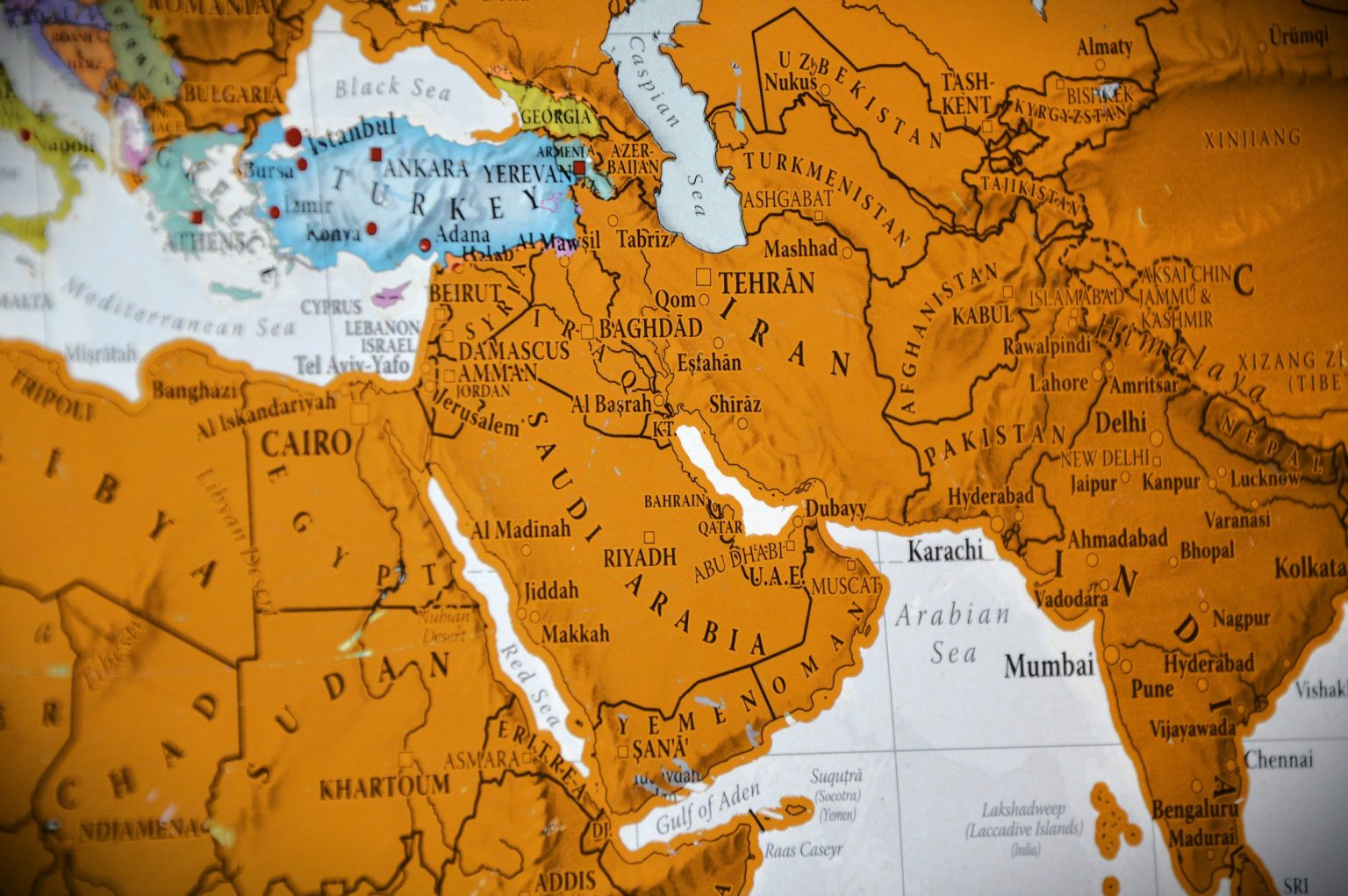
The timing of the sessions in Washington is not accidental. They coincide with broader U.S.-led efforts to engage with regional powers, including Iran, to de-escalate the multi-front conflict. Analysts suggest that the Lebanon Israel talks are a crucial component of a larger diplomatic puzzle intended to stabilize the Middle East. However, the lack of a pre-arranged ceasefire for Lebanon – unlike the temporary pauses seen elsewhere – means the negotiators will be meeting while the conflict is at its peak.
This lack of a ceasefire has led some Lebanese officials to view the invitation to talk as a tactical move rather than a sincere effort at peace. There are concerns that the negotiations might serve as a diplomatic cover for continued military operations. Nevertheless, the Lebanese presidency maintains that it has no other option but to engage, hoping that the presence of global powers will provide the necessary pressure to achieve a breakthrough.