Tehran, April 9, 2026 — Brussels Morning Newspaper — Iran has announced that no more than 15 vessels will be allowed to pass daily through the Strait of Hormuz, the narrow 34-kilometer waterway between Iran and Oman, according to a senior source cited by TASS. This measure is part of a tentative ceasefire with the United States following months of conflict, and it affects both oil tankers and cargo ships carrying vital goods such as fertilizers. Shipping companies must now seek prior approval from Iran’s IRGC, and access is selectively granted to non-hostile nations while vessels linked to the U.S. and Israel are denied. The Strait of Hormuz remains a crucial chokepoint handling a fifth of global oil and LNG shipments.
Iran Imposes Daily Limit on Strait of Hormuz Traffic
Iran has announced it will allow no more than 15 vessels a day to pass through the Strait of Hormuz, a senior Iranian source told the Russian news agency TASS on Thursday. The Strait of Hormuz, a narrow 34-kilometer waterway between Iran and Oman, is one of the world’s most strategic maritime passages, carrying roughly one-fifth of global oil shipments and essential goods such as fertilizers.
The restriction comes as part of a fragile ceasefire agreement between Tehran and the United States after escalating tensions in the region. For shipping companies operating in the Persian Gulf, the new limit introduces additional layers of regulatory oversight and security compliance. Analysts warn that even temporary restrictions on the Strait of Hormuz can have ripple effects on global energy markets and international trade.
Key Restrictions on Strait of Hormuz Transit
Iran has set strict guidelines for vessels transiting the Strait of Hormuz. Only 15 ships, including oil tankers and cargo vessels, are allowed passage per day. Shipping operators must secure prior approval from Iran’s Islamic Revolutionary Guard Corps (IRGC) and follow detailed security protocols for each voyage.
Access is granted selectively to nations classified as friendly or non-hostile, including China, Russia, India, Pakistan, and Iraq. Ships affiliated with the United States, Israel, and allied countries are strictly denied entry. The policy reinforces Tehran’s strategic leverage over the Strait of Hormuz, a vital chokepoint in international energy transportation.
Reports indicate that Iran may levy transit fees of up to $2 million per voyage for certain commercial vessels, with payments requested in cryptocurrency, Chinese yuan, or Iranian rials. This approach emphasizes Iran’s control over the Strait of Hormuz while providing additional revenue streams amid ongoing sanctions and regional instability.
Merchant Ship Backlog in Persian Gulf
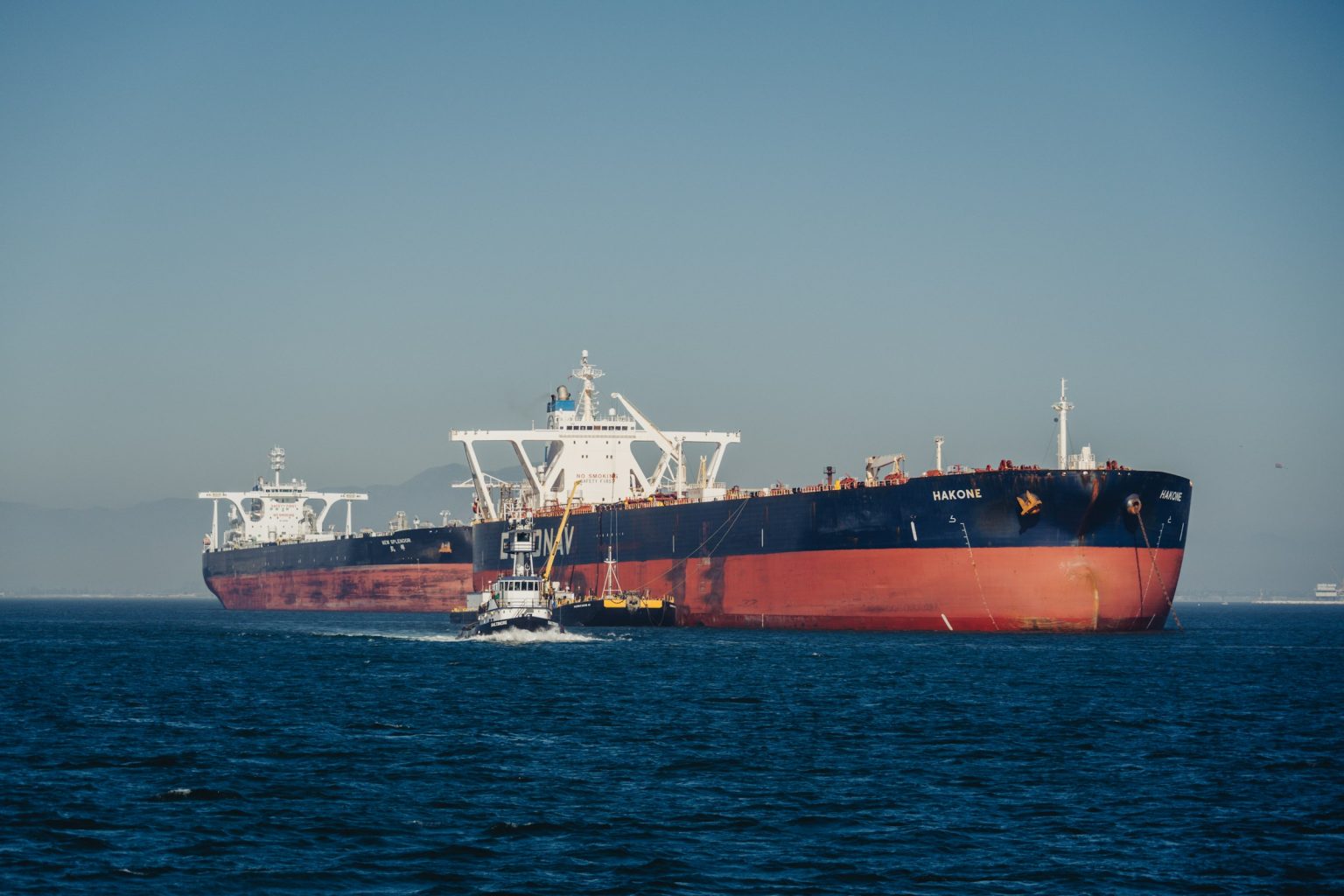
The Strait of Hormuz handles a massive volume of maritime traffic, and the daily limit is causing significant congestion. As of April 9, 2026, roughly 800 to 1,000 merchant ships were reported waiting in the Persian Gulf for approval to transit the Strait of Hormuz.
Shipping companies have expressed concern about potential delays in delivering oil and other goods to international markets. With fewer vessels allowed to pass each day, the backlog could persist for weeks, causing logistical challenges for companies and governments reliant on steady energy and material supplies.
The bottleneck has already contributed to price fluctuations in global oil markets, with analysts closely monitoring how long the Strait of Hormuz restrictions will remain in effect. Many exporters are exploring alternative routes, but the Strait’s narrow width and strategic location make detours difficult and costly.
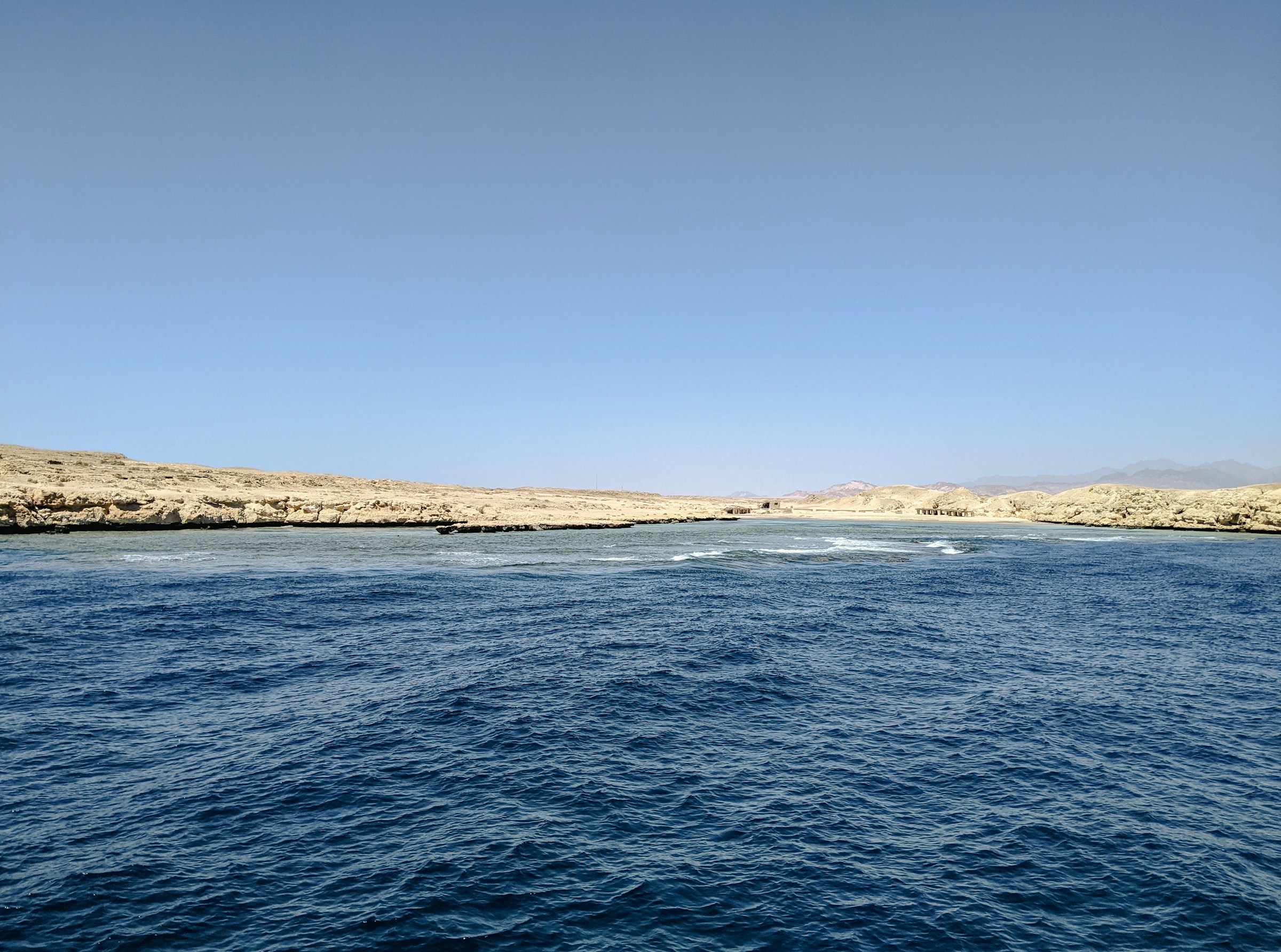
Limits on Global Energy
The restriction on vessel traffic through the Strait of Hormuz could reverberate far beyond the Gulf, forcing European and U.S. policymakers to reconsider energy security strategies. With global supply chains already strained, even a temporary bottleneck may accelerate investment in alternative routes and LNG imports, while intensifying diplomatic pressure on Tehran. Markets are likely to remain jittery, and shipping firms may increasingly factor political risk into their logistics planning. Longer-term, the move underscores how a single strategic chokepoint can be leveraged to exert geopolitical influence, signaling that any future flare-ups in the region could have immediate and widespread economic consequences for energy-dependent economies worldwide.
Global Oil Market Repercussions
The Strait of Hormuz accounts for around 20 percent of global oil and liquefied natural gas shipments. Restrictions on its passage, even under a ceasefire, have an immediate impact on energy prices. Since the conflict began in late February, partial closures of the Strait of Hormuz have contributed to surging oil costs and heightened market uncertainty.
Experts warn that the 15-vessel daily cap could affect crude oil availability for Asian and European countries heavily dependent on Gulf exports. Insurance premiums for tankers transiting the Strait of Hormuz have also increased, reflecting the perceived risk of navigating these waters.
The Strait of Hormuz is not only an energy lifeline but also a barometer for regional stability. Any disruption in shipping there tends to reverberate across international financial markets, underscoring the importance of Tehran’s policy decisions.
Strategic Importance of the Strait of Hormuz
The Strait of Hormuz is one of the narrowest chokepoints in global maritime trade, stretching just 34 kilometers between Iran and Oman. Its strategic value cannot be overstated, as nearly one-fifth of the world’s petroleum passes through it. Countries in Europe, Asia, and North America closely monitor the strait for any signs of disruption.
Iran’s control over the Strait of Hormuz allows it to exert influence over international shipping routes, ensuring its political and economic interests are maintained. Analysts highlight that Tehran’s selective transit approvals and high fees are designed to maximize leverage while keeping trade flowing under its conditions.
With global energy demand remaining high, the Strait of Hormuz continues to be a focal point for security, diplomacy, and economic planning. Even small policy changes can trigger widespread effects on fuel costs, shipping schedules, and trade agreements.