London, April 9, 2026 — Brussels Morning Newspaper — UK ceasefire Lebanon has become a central issue in global diplomacy, as British leaders push for a broader ceasefire framework that includes Lebanon. The renewed urgency reflects growing concern that current efforts may not fully prevent the expansion of conflict across the Middle East.
The focus on UK ceasefire Lebanon signals a strategic shift toward more comprehensive peace planning. Policymakers are increasingly recognizing that isolated ceasefires may not address the interconnected dynamics of regional tensions. As diplomatic discussions continue in London, the emphasis is on building a framework that can support long-term stability rather than short-term relief.
A Broader Diplomatic Approach Emerging from London
The UK’s evolving position highlights a move toward a more inclusive and strategic ceasefire model. Rather than focusing on a single conflict zone, officials are advocating for a wider approach that incorporates multiple regions at risk of escalation.
This approach reflects lessons learned from past conflicts, where limited agreements often failed to deliver lasting peace. By promoting a broader ceasefire framework, leaders aim to reduce the likelihood of renewed hostilities. The ongoing discussions surrounding UK ceasefire Lebanon demonstrate how policymakers are adapting their strategies to better address complex geopolitical realities.
Diplomatic efforts in London are gaining traction, with several international partners showing interest in a coordinated approach. The UK’s leadership role is becoming increasingly evident as it works to align different stakeholders around a shared objective.
Lebanon’s Critical Position in Regional Stability
Lebanon’s inclusion in ceasefire discussions is widely viewed as essential to maintaining stability across the region. Its geographic location and political landscape make it a key factor in determining the success of broader peace efforts.
Tensions along Lebanon’s borders, combined with internal challenges, have raised concerns about potential escalation. Analysts warn that excluding Lebanon from ceasefire agreements could create vulnerabilities that undermine progress elsewhere.
Economic strain and political uncertainty further complicate the situation. Including Lebanon in ceasefire planning is not only about addressing immediate security concerns but also about supporting long-term recovery and resilience. This perspective reinforces why UK ceasefire Lebanon remains a focal point in diplomatic conversations.
Growing International Support and Debate
The UK’s position has sparked a wide range of responses from the international community. Many countries have expressed support for a more inclusive ceasefire framework, recognizing the risks associated with leaving key regions out of negotiations.
At the same time, some stakeholders remain cautious. Expanding the scope of ceasefire agreements introduces additional complexities, particularly when multiple parties with differing interests are involved.
Despite these challenges, the idea of a broader ceasefire continues to gain momentum. Diplomatic discussions are intensifying, with London serving as a central platform for negotiations. The emphasis on UK ceasefire Lebanon is helping to shape the direction of these talks, encouraging a more comprehensive approach to conflict resolution.
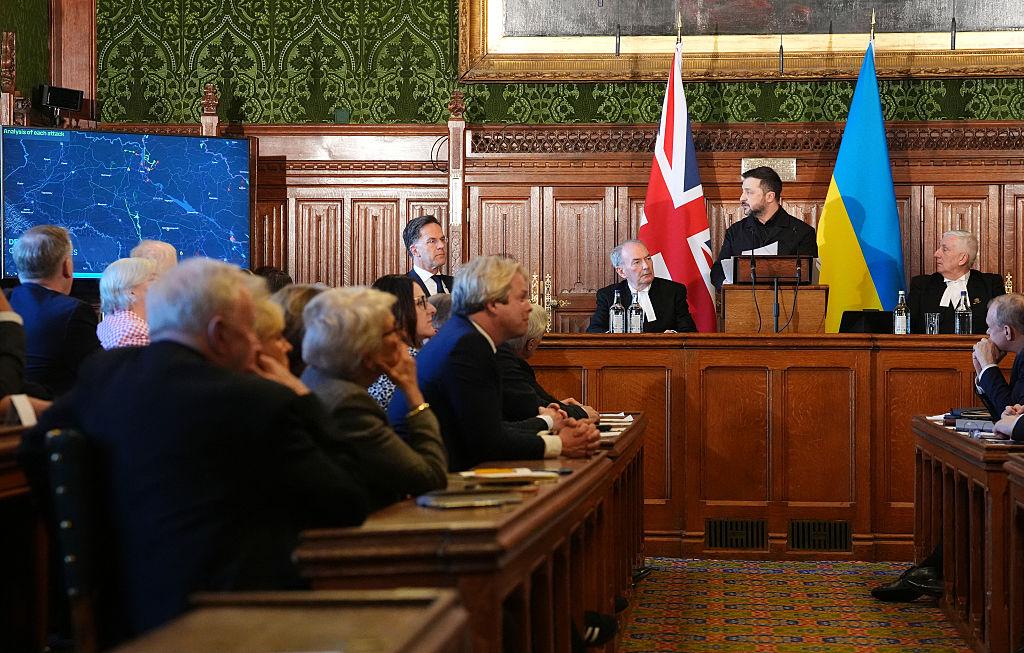
Humanitarian Pressures Driving Urgency
Humanitarian concerns are playing a significant role in shaping policy decisions. Ongoing conflicts have resulted in widespread displacement, disrupted access to essential services, and increased vulnerability among civilian populations.
Aid organizations have highlighted the need for a comprehensive ceasefire to ensure that humanitarian assistance can reach affected communities without interruption. Including Lebanon in these efforts is seen as a critical step in addressing the broader humanitarian crisis.
One senior diplomat involved in discussions stated,
“Peace must extend beyond immediate battle lines if it is to protect lives and restore stability.”
This statement underscores the importance of a holistic approach to ceasefire planning.
Another official emphasized, “The inclusion of Lebanon is not optional; it is essential for any meaningful progress.” These perspectives reflect the growing consensus that broader solutions are necessary to address the scale of the crisis.
Historical Context of Ceasefires in Lebanon
Understanding the history of ceasefires in Lebanon provides valuable insight into current diplomatic efforts. Over the years, the country has experienced multiple ceasefire agreements, often in response to periods of heightened conflict.
Many of these agreements, however, have proven fragile. Violations and renewed hostilities have frequently followed, highlighting the challenges of maintaining lasting peace.
These historical experiences are shaping current strategies. Policymakers are seeking to avoid past mistakes by ensuring that ceasefire agreements are more comprehensive and inclusive. The emphasis on UK ceasefire Lebanon reflects a determination to build a more durable framework that addresses underlying issues rather than temporary symptoms.
Key Challenges Facing a Comprehensive Agreement
Despite growing support, achieving a comprehensive ceasefire remains a complex task. Political divisions among stakeholders present significant obstacles, as each party brings its own priorities and concerns to the table.
Aligning these interests requires careful negotiation and compromise. In some cases, deeply rooted differences make consensus difficult to achieve. This complexity is one of the primary challenges facing efforts to expand ceasefire agreements.
Logistical considerations also play a role. Coordinating enforcement across multiple regions requires substantial resources and cooperation. Ensuring compliance and monitoring progress adds another layer of difficulty to the process.
These challenges highlight the need for sustained diplomatic engagement and innovative solutions.
Economic and Political Implications for the Region
The implications of a broader ceasefire extend beyond immediate security concerns. Economic stability is closely linked to the success of peace efforts, as prolonged conflict can disrupt trade, investment, and infrastructure development.
By promoting a comprehensive ceasefire, leaders aim to create conditions that support economic recovery. This includes rebuilding infrastructure, restoring confidence among investors, and enabling long-term growth.
Political stability is equally important. Inclusive agreements can help strengthen governance structures and reduce the likelihood of future conflicts. The focus on UK ceasefire Lebanon underscores the importance of addressing both economic and political dimensions of stability.
The Path Forward in Diplomatic Negotiations
As discussions continue, the emphasis remains on building consensus among key stakeholders. Negotiators are working to address concerns while maintaining momentum toward a broader agreement.
Progress is likely to be gradual, but the commitment to inclusivity is shaping the direction of talks. Observers note that sustained engagement and cooperation will be essential to achieving meaningful outcomes.
A diplomatic source involved in the process commented,
“This is a defining moment that requires collaboration and long-term thinking.”
Such perspectives highlight the significance of current efforts.
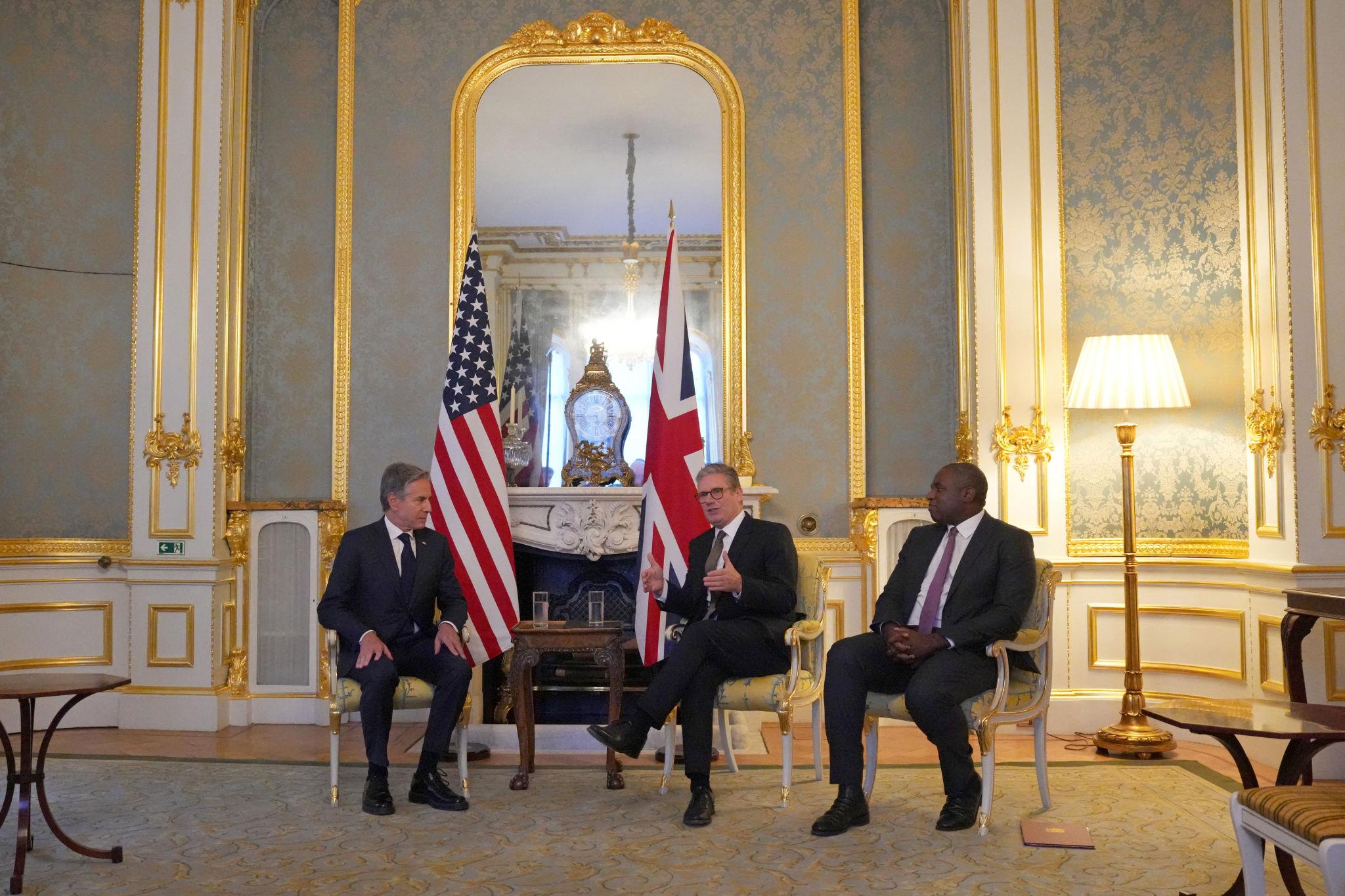
A Defining Chapter in Modern Peace Strategy
The ongoing focus on UK ceasefire Lebanon represents a critical moment in the evolution of diplomatic strategy. By advocating for a broader and more inclusive approach, the UK is helping to redefine how conflicts are addressed on a global scale.
This shift emphasizes the importance of comprehensive solutions that account for interconnected challenges. It also reflects a growing recognition that lasting peace requires more than temporary measures.
As negotiations continue in London, the outcome of these efforts could have far-reaching implications for regional and international stability. The emphasis on inclusivity and long-term planning is setting a new standard for peace initiatives, marking a significant step forward in the pursuit of global security.