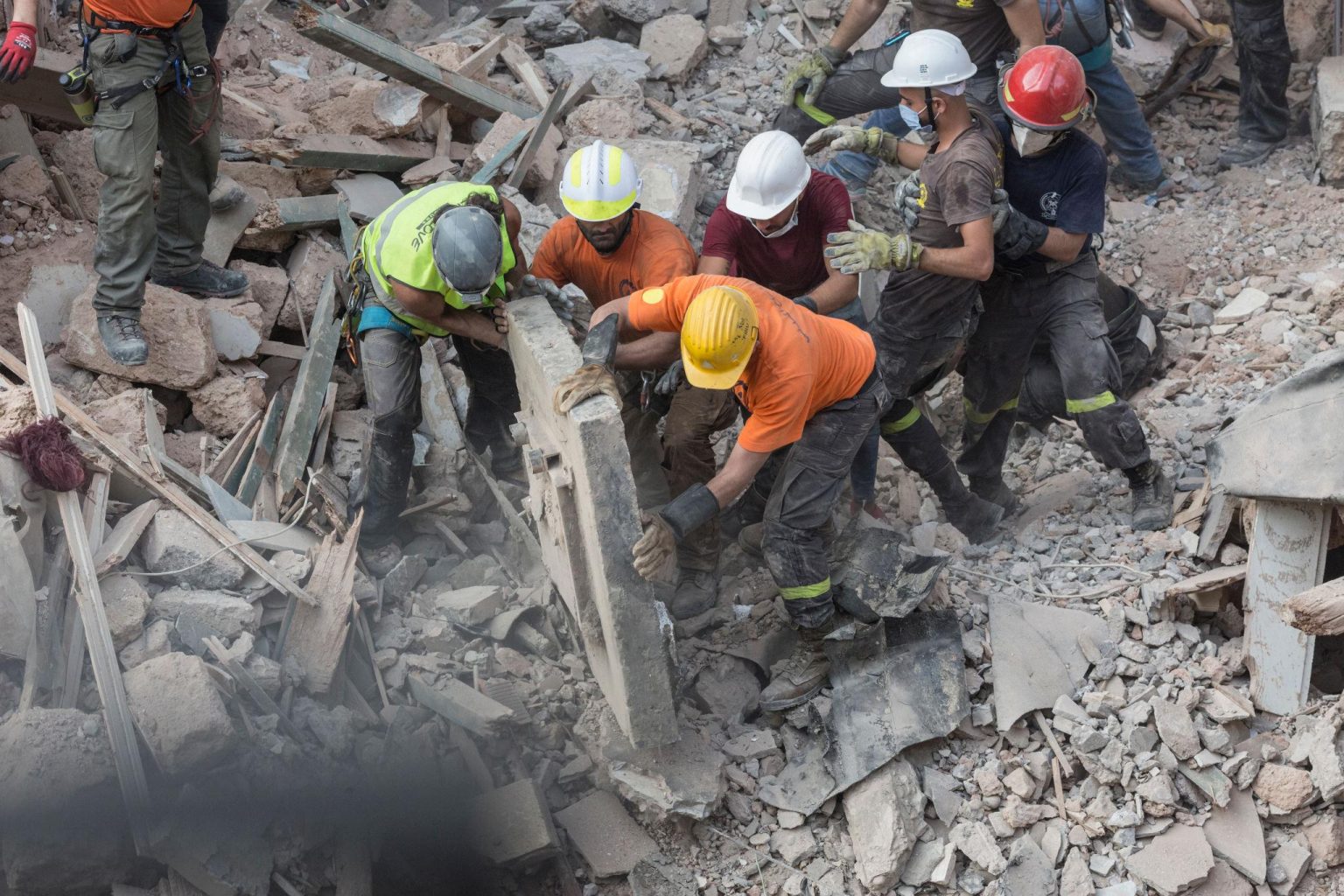
Beirut, April 09, 2026, Brussels Morning Newspaper — Lebanon is facing one of the most severe escalations in recent years as widespread strikes have triggered a sharp increase in civilian deaths across Beirut and surrounding regions. Lebanon civilian casualties are rising rapidly as emergency crews continue rescue operations through damaged neighborhoods. The growing scale of Lebanon civilian casualties has sparked urgent global concern, with world leaders calling for restraint and immediate humanitarian intervention.
Widespread Destruction Across Urban Areas
Lebanon civilian casualties have surged following a wave of large scale strikes that have devastated residential areas and commercial districts. Entire neighborhoods have been reduced to rubble, forcing families to flee with little notice. The scale of destruction has shocked local communities and drawn international attention.
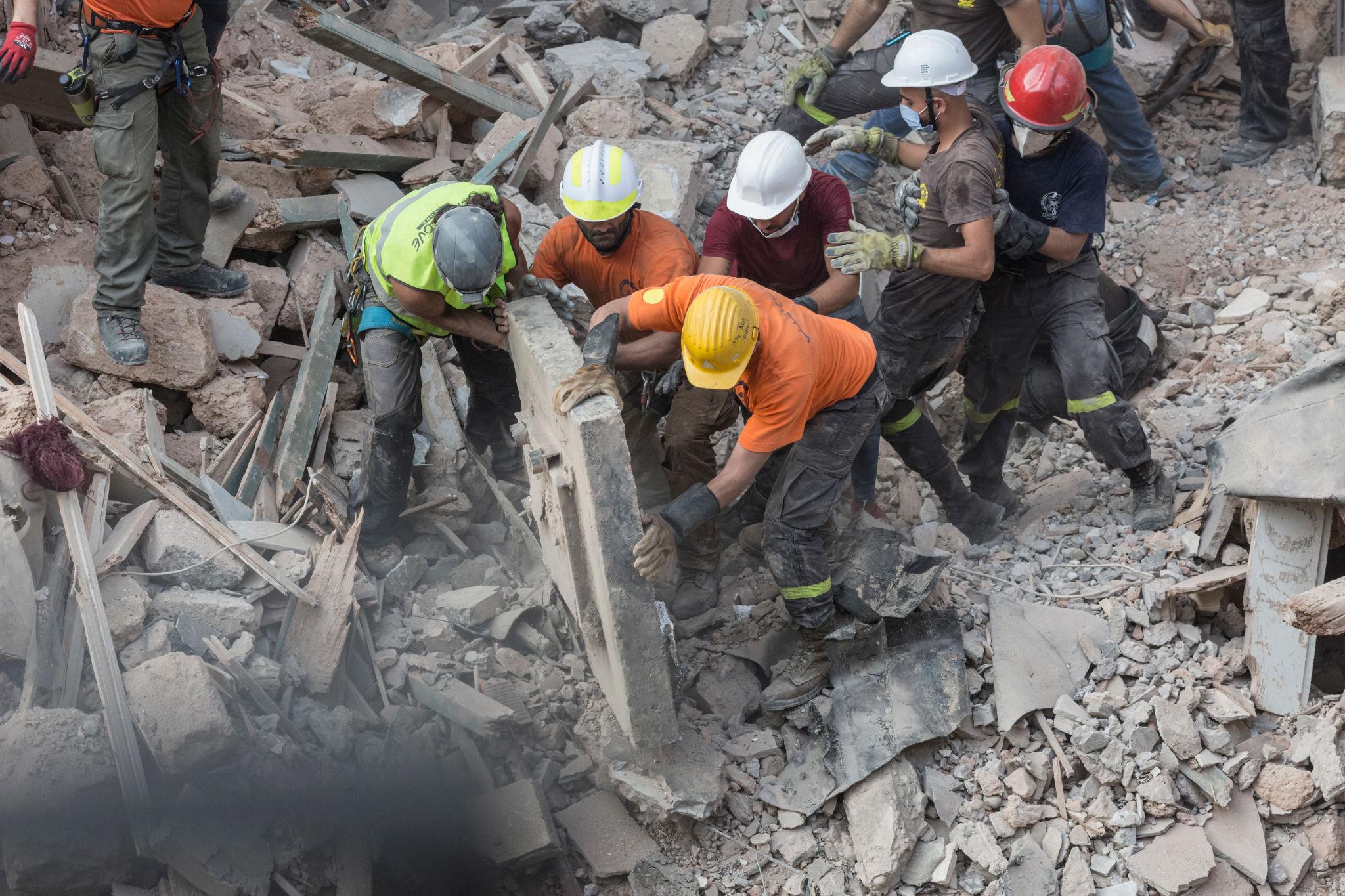
Officials confirmed that Lebanon civilian casualties include a significant number of women and children, intensifying concerns about civilian protection. Emergency services continue to search for survivors trapped beneath collapsed structures, while the number of confirmed fatalities continues to rise.
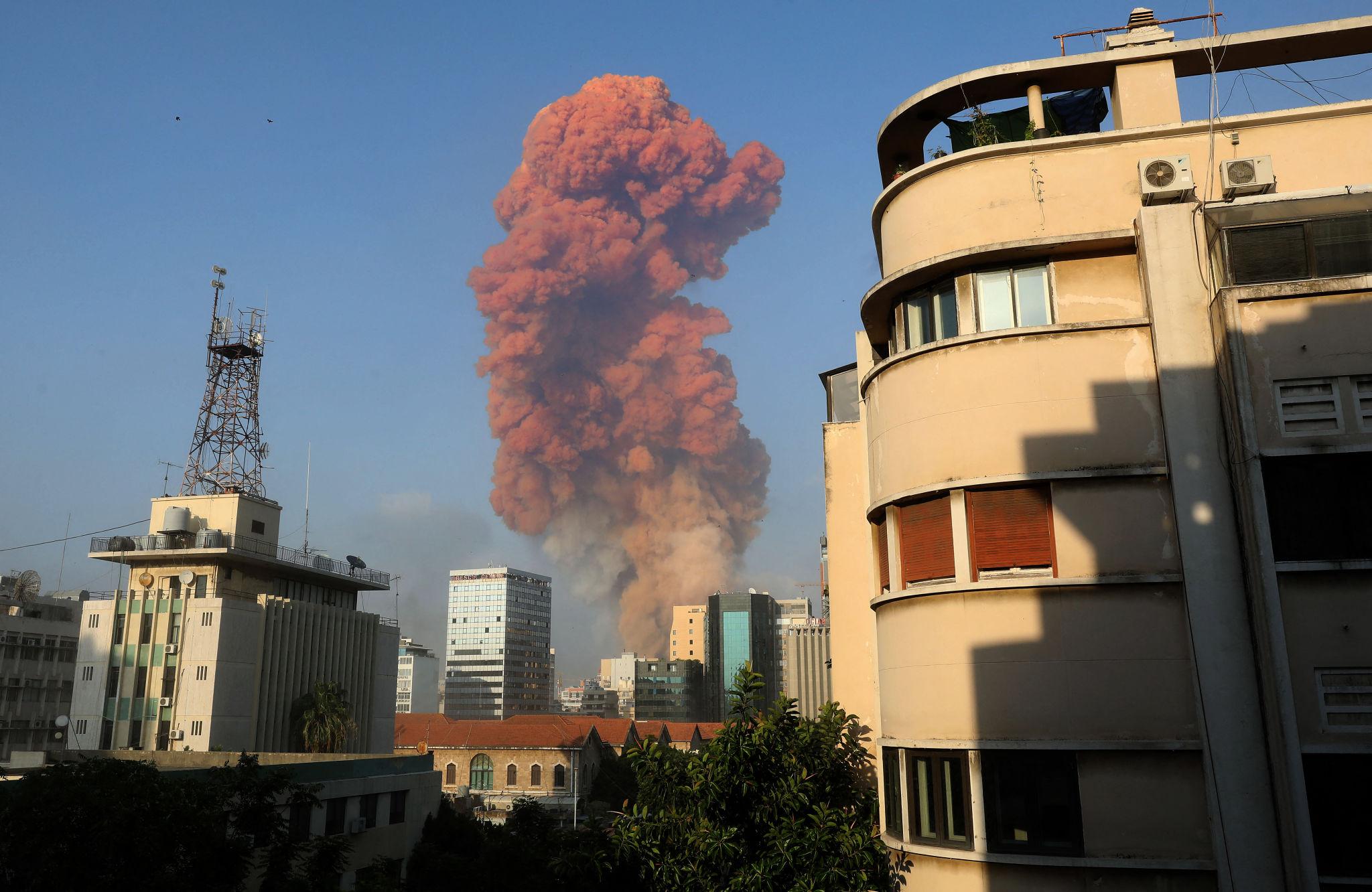
Residents describe scenes of chaos as buildings collapsed and fires spread across densely populated areas. The impact of Lebanon civilian casualties is visible not only in the destruction of infrastructure but also in the fear and uncertainty experienced by those still in affected zones.
International Response Intensifies
The global reaction to the crisis has been swift, with governments and international organizations expressing alarm at the growing number of deaths. Lebanon civilian casualties have become a central issue in diplomatic discussions, with calls for immediate de escalation.
A senior international diplomat stated
“ The scale of civilian suffering demands urgent global attention and decisive action ”
Another official emphasized
“ Continued escalation risks destabilizing the entire region and worsening humanitarian conditions ”
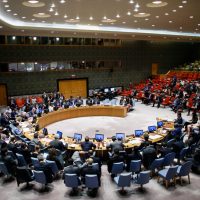
Emergency meetings have been held to address the crisis, with leaders exploring diplomatic solutions aimed at reducing violence and preventing further loss of life.
Healthcare System Under Extreme Pressure
Hospitals across Lebanon are struggling to cope with the influx of injured individuals. Lebanon civilian casualties have overwhelmed medical facilities, pushing healthcare providers beyond their limits.
Doctors and nurses are working tirelessly, often under difficult conditions, to treat patients with limited resources. Supplies such as blood, medication, and surgical equipment are in short supply, making it increasingly difficult to provide adequate care.
Patients are being treated in corridors and temporary areas as hospitals reach capacity. The strain on the healthcare system reflects the broader humanitarian impact of Lebanon civilian casualties and highlights the urgent need for international medical assistance.
Displacement Crisis Expands Nationwide
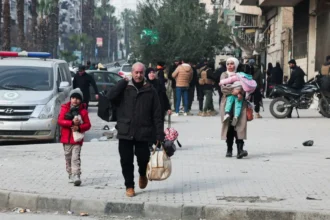
The destruction caused by the strikes has forced thousands of people to leave their homes. Lebanon civilian casualties are closely linked to the growing displacement crisis, as families seek safety in overcrowded shelters or with relatives.
Many displaced individuals have lost everything, including their homes, possessions, and sources of income. Access to basic necessities such as food, clean water, and sanitation remains limited in many areas.
Relief organizations are working to provide assistance, but the scale of the crisis has made it difficult to meet the needs of all affected populations. The rise in Lebanon civilian casualties has further complicated efforts to stabilize communities and restore normalcy.
Infrastructure Collapse Disrupts Daily Life
Critical infrastructure has been severely damaged, disrupting essential services across affected regions. Roads have been destroyed, communication systems have been disrupted, and power outages have become widespread.
Lebanon civilian casualties have also had a significant impact on economic activity, with businesses forced to close and workers unable to return to their jobs. Schools have been shut down, leaving students without access to education.
The disruption of daily life has created a sense of uncertainty and instability, with residents unsure of when conditions will improve. The ongoing crisis continues to affect every aspect of life in Lebanon.
Military Escalation Raises Strategic Concerns
The intensity of the strikes has raised concerns among analysts about the potential for further escalation. Lebanon civilian casualties are seen as an indicator of the scale and impact of current military operations.
Experts warn that continued escalation could lead to a broader regional conflict, involving additional actors and increasing instability. Such developments would likely result in even higher Lebanon civilian casualties and further complicate efforts to achieve peace.
Efforts to negotiate ceasefires and reduce tensions are ongoing, but progress has been limited amid continued hostilities.
Humanitarian Aid Struggles to Reach Victims
Humanitarian organizations have rapidly deployed teams to support affected communities, but the sheer scale of Lebanon civilian casualties is making relief operations increasingly difficult to manage.
Ongoing security risks continue to restrict access to several hard hit areas, preventing aid workers from reaching many of those most in need. Even so, efforts continue to deliver essential supplies, including food, clean water, and critical medical assistance.
Global relief agencies are now urging stronger financial support and coordinated international action. The rising number of Lebanon civilian casualties highlights the urgent need to expand and accelerate humanitarian response efforts.
Historical Context of Civilian Impact in Lebanon
Lebanon has experienced multiple conflicts over the decades, each leaving a lasting impact on its civilian population. Lebanon civilian casualties have been a recurring feature of these periods of instability, reflecting the challenges of achieving lasting peace in the region.
Past conflicts have demonstrated the devastating effects of prolonged violence, including displacement, economic disruption, and long term psychological trauma. The current crisis echoes these patterns, with Lebanon civilian casualties once again highlighting the vulnerability of civilian populations.
Understanding this historical context is essential for addressing the root causes of conflict and working toward sustainable solutions.
Voices From the Ground Reveal Human Toll
Residents in affected areas have shared accounts of fear and loss as they navigate the crisis. Families describe sudden strikes that left little time to react, forcing them to flee under dangerous conditions.
Lebanon civilian casualties have left communities grieving, with many searching for missing loved ones. Volunteers and local organizations have stepped in to provide support, offering food, shelter, and emotional assistance.
One resident said
“ We do not know what tomorrow will bring, but we continue to hope for peace ”
These stories highlight the human impact of Lebanon civilian casualties and the resilience of those affected.
Political Pressure Mounts for Immediate Action
Governments and international organizations are facing increasing pressure to respond to the crisis. Lebanon civilian casualties have become a key issue in global discussions, influencing diplomatic strategies and policy decisions.
Calls for ceasefire agreements and negotiations are growing louder as leaders seek to prevent further escalation. The need to prioritize civilian protection has become a central focus of these efforts.
The outcome of ongoing discussions will play a crucial role in determining the future of the conflict and the stability of the region.
A Critical Turning Point for Lebanon’s Future
Lebanon now stands at a critical turning point as Lebanon civilian casualties continue to define the current crisis. The path forward will depend on the actions of global leaders and the willingness of all parties to engage in meaningful dialogue.
Efforts to rebuild and recover will require long term commitment and cooperation. The international community has an opportunity to support Lebanon in addressing immediate needs while laying the foundation for lasting stability.
Lebanon civilian casualties serve as a stark reminder of the human cost of conflict, reinforcing the urgency of pursuing peace and preventing further suffering.