Washington, April 4, 2026 — Brussels Morning Newspaper — The Pentagon was thrown into turmoil as Defense Secretary Pete Hegseth executed a sudden purge of generals, including Army Chief of Staff General Randy George, General David Hodne, and Major General William Green. Officials called the move “insane” amid ongoing operations against Iran and the Middle East troop buildup. Sources say personality clashes and internal tensions influenced Hegseth’s decision, raising questions about stability in US military command. Analysts warn the purge of generals could disrupt logistics, morale, and coordination with allies, highlighting the risks of politically-driven leadership changes during wartime and the broader implications for US strategic credibility abroad.
Pentagon Stunned by Hegseth’s
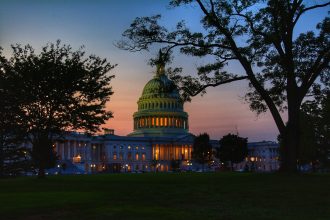
US defense officials in Washington were reportedly blindsided after Defense Secretary Pete Hegseth carried out a sweeping purge of generals, firing Army Chief of Staff General Randy George and two other top leaders. Officials described the decision as “insane,” given the ongoing military operations in the Middle East and rising tensions with Iran. The sudden removals have raised concerns about operational stability and military leadership during an active conflict.
The purge of generals has shocked Pentagon officials, many of whom warned that such abrupt changes could disrupt the chain of command. Defense insiders revealed that the dismissals were unexpected and lacked formal explanation. According to one source, the shake-up appears tied to personality clashes and internal friction rather than performance issues.
Key Generals Removed in the Purge
The purge of generals primarily affected senior Army leadership. General Randy George, who was scheduled to serve until 2027, was asked to retire immediately. General Christopher LaNeve, Hegseth’s former senior military assistant, has assumed an acting role as Army Chief of Staff.
In addition to George, General David Hodne, head of the Army Transformation and Training Command, and Major General William Green Jr., chief of the Army Chaplain Corps, were also dismissed. These leaders played crucial roles in troop readiness, training, and morale, prompting concerns among defense officials about continuity in critical operations.
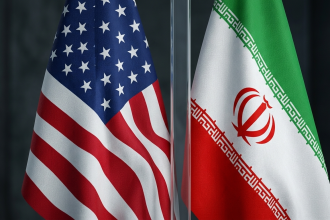
Officials stressed that the timing of the purge of generals is particularly alarming, as it coincides with ongoing airstrikes against Iranian targets and the deployment of additional forces, including the 82nd Airborne Division. Removing experienced leadership mid-conflict, they argue, could hinder operational effectiveness.
Reported Motivations Behind the Purge
According to insiders, the purge of generals may have been influenced by political and personal factors. Sources suggest Hegseth’s distrust of Army Secretary Dan Driscoll, a close ally of Vice President JD Vance, contributed to the dismissal of George, Driscoll’s top aide. Other officials cited disagreements over the US Iran strategy, which some military leaders labeled as “disastrous,” as a motivating factor.
Observers note that this purge of generals aligns with a broader effort to reshape military leadership in accordance with administration priorities. The move appears to shift the Army away from traditionally apolitical officers toward leaders more closely aligned with Hegseth’s and the administration’s strategic vision. Critics warn such actions risk politicizing the military and undermining cohesion during an ongoing war.
Removal of leadership shake-up for US allies
The abrupt purge of top Army generals sends ripples far beyond Washington, raising alarms among US allies in Europe who rely on coordinated intelligence and rapid response capabilities. Analysts suggest the move could undermine confidence in American military decision-making, complicating NATO operations and joint exercises at a time when tensions with Iran risk wider regional escalation. Future conflicts may see slower troop mobilization and fractured command lines, as seasoned leaders are replaced by politically aligned appointees. The shake-up also signals to adversaries that US leadership could be volatile, potentially emboldening hostile actors in the Middle East and challenging the credibility of US deterrence on a global scale.

Strategic Implications Amid Iran Conflict
The purge of generals occurs at a critical moment, as US forces continue active operations in the Middle East. Defense officials highlighted concerns about logistics, troop deployment, and equipment coordination. One official stated, “Here is a four-star general who is actively working to get equipment and people into theater — to protect US forces — and you fire him? In the middle of a war?”
Pentagon insiders emphasized that the purge of generals not only destabilizes command structures but also risks lowering morale among troops who rely on experienced leaders. Analysts suggest that such decisions could create uncertainty within the Army, complicating ongoing military planning and international signaling regarding US military strength.
Reactions From Pentagon and Military Leaders
Reactions within the Pentagon have been mixed but largely critical. Some officials describe the purge of generals as a “reckless” move, questioning the wisdom of removing key leaders in wartime. Others expressed concern about the precedent it sets for future military governance and the influence of political considerations on operational decisions.
Military analysts warned that the purge of generals could have long-term effects on leadership culture. By removing senior officers without clear justification, Hegseth risks undermining trust between the Pentagon’s civilian leadership and uniformed military personnel.
Ensuring Operational Continuity
In response to the purge of generals, the Pentagon has appointed acting leaders to stabilize the Army’s command structure. General LaNeve and other interim appointees are tasked with maintaining continuity in troop operations and ensuring that deployments continue without interruption.
Despite these measures, defense officials remain wary of the purge of generals’ long-term impact. Analysts stress that experienced leaders are crucial during active conflicts, particularly when the US is conducting complex operations involving multiple theaters and allied coordination.
Uncertain Future for Military Leadership
As US military operations continue in the Middle East, officials are closely monitoring the effects of the purge of generals on readiness, morale, and strategic planning. The unprecedented nature of these dismissals underscores the tension between political objectives and military command. Ensuring stable leadership will be critical to maintaining operational effectiveness and avoiding further disruption during wartime.
The coming weeks will reveal whether the Army can maintain operational stability amid these high-profile leadership changes, or if the purge of generals will have lasting effects on US defense posture in the Middle East.