
MIDDLE EAST — MARCH 27, 2026 — Brussels Morning Newspaper — The escalation surrounding US strikes on Iran energy sites is rapidly reshaping global geopolitical dynamics, as markets, governments, and analysts react to the growing threat of energy disruption. The developments come at a time when the global economy remains highly sensitive to oil supply fluctuations, increasing the potential for widespread economic consequences.
- Strategic Role of Iran in Global Energy Supply
- Global Market Reaction and Investor Sentiment
- Strait of Hormuz and Global Supply Vulnerability
- Rising Risk of Global Economic Slowdown
- Inflation Pressures and Household Impact
- Government Responses and Strategic Measures
- Industry Reaction and Expert Commentary
- Impact Across Key Economic Sectors
- Geopolitical Implications and Global Alliances
- History of Energy Conflicts and Lessons Learned
- What Lies Ahead for Global Markets
- A Turning Point That Could Redefine Energy Security
Initial indications suggest that strategic energy infrastructure linked to Iran’s oil production and export systems was targeted. While full assessments are still underway, early signals point to possible operational disruptions that could impact regional output and global supply chains.
Strategic Role of Iran in Global Energy Supply
Iran occupies a crucial position in the global energy ecosystem, making the implications of US strikes on Iran energy sites particularly significant. As one of the region’s major oil producers, Iran contributes to supply networks that support economies worldwide.
Its geographic location further amplifies its importance. Situated near key maritime routes, Iran plays a role not only in production but also in the transportation of oil. Disruptions to its infrastructure can therefore affect both supply and distribution.
Energy markets depend heavily on stability. Any uncertainty surrounding supply can quickly translate into price volatility, affecting businesses and consumers alike.
Global Market Reaction and Investor Sentiment
Financial markets have responded swiftly to developments tied to US strikes on Iran energy sites. Oil prices have shown upward pressure as traders factor in the risk of reduced supply.
Equity markets have experienced fluctuations, particularly in industries sensitive to energy costs. Meanwhile, safe haven assets have gained attention as investors seek protection from uncertainty.
Investor sentiment is currently shaped by two key factors: the scale of disruption and the likelihood of further escalation. Both remain uncertain, contributing to ongoing volatility.
Strait of Hormuz and Global Supply Vulnerability
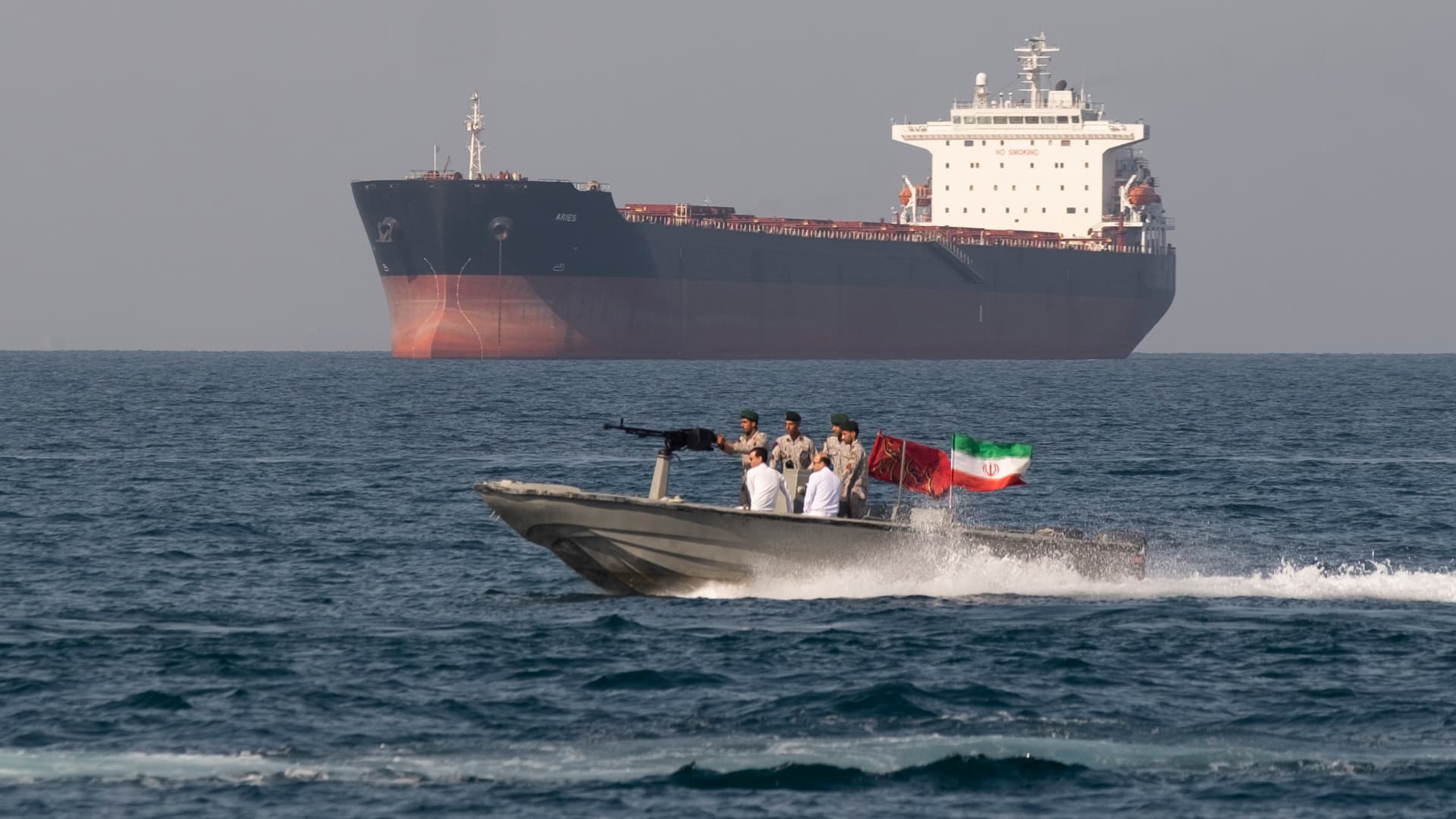
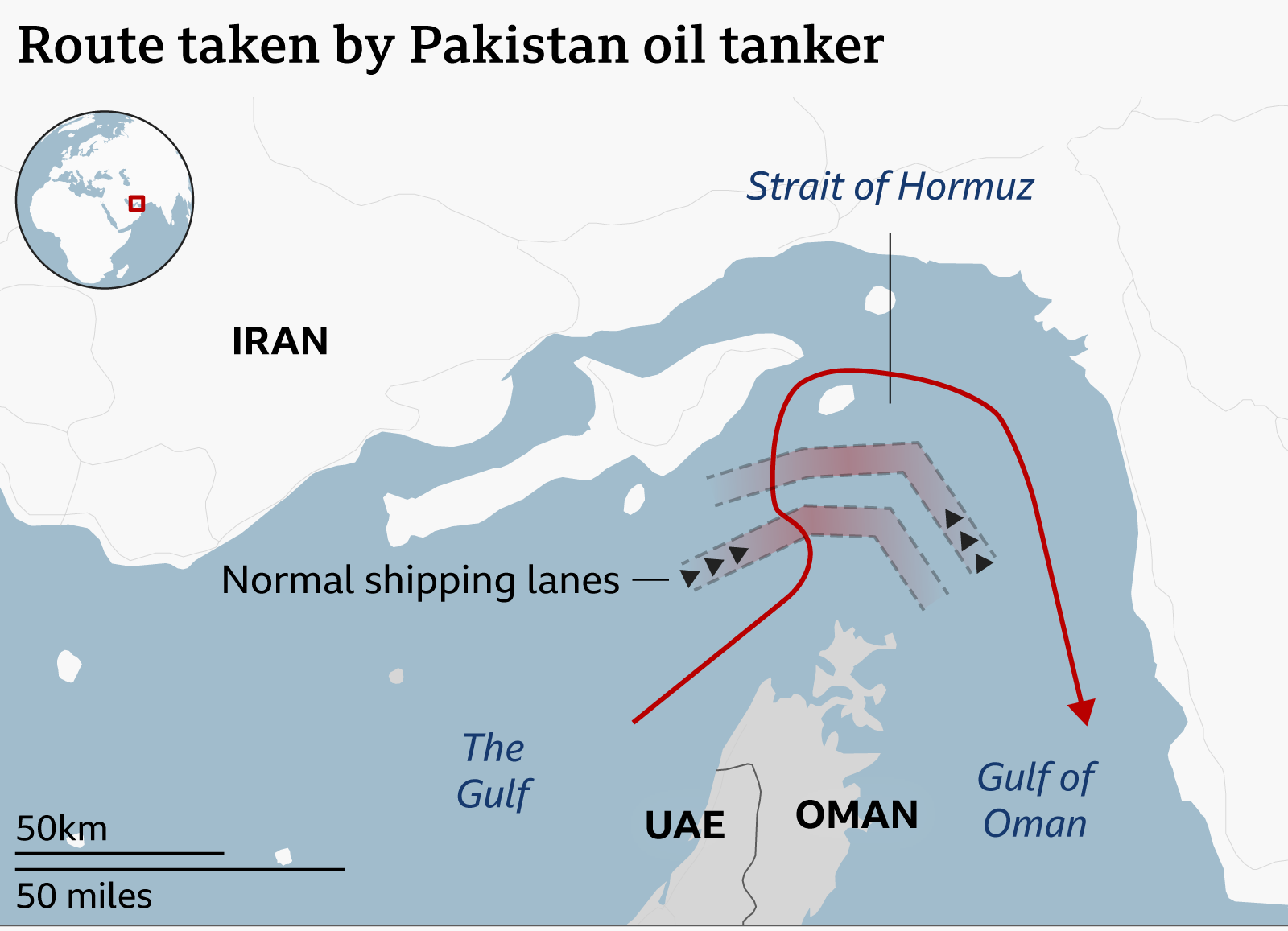
The Strait of Hormuz remains one of the most critical chokepoints in the global energy supply chain. Concerns surrounding US strikes on Iran energy sites have intensified focus on this strategic passage.
A significant portion of the world’s oil shipments passes through this narrow waterway. Any disruption, whether through military activity or heightened security risks, could have immediate consequences.
Potential impacts include:
- Delays in oil shipments
- Increased transportation costs
- Heightened insurance premiums
- Greater risk of confrontation in the region
The stability of this corridor is essential for maintaining global energy flows.
Rising Risk of Global Economic Slowdown
The broader economic implications of US strikes on Iran energy sites are becoming increasingly evident. Economists warn that sustained disruption could lead to slower global growth.
Energy prices influence nearly every sector of the economy. When costs rise, businesses face higher expenses, which are often passed on to consumers. This can reduce spending and dampen economic activity.
In a global economy already facing challenges, additional pressure from energy instability could have significant consequences.
Inflation Pressures and Household Impact
One of the most immediate concerns linked to US strikes on Iran energy sites is inflation. Rising energy costs can quickly translate into higher prices for goods and services.
Consumers may notice:
- Increased fuel costs
- Higher food prices
- Rising utility bills
- More expensive transportation
These changes can strain household budgets and reduce overall purchasing power.
Government Responses and Strategic Measures
Governments around the world are closely monitoring the situation following US strikes on Iran energy sites. Policymakers are evaluating options to mitigate potential disruptions.
Possible measures include:
- Releasing strategic oil reserves
- Encouraging increased production
- Strengthening international coordination
- Enhancing security for critical shipping routes
While these actions can provide temporary stability, long-term outcomes will depend on geopolitical developments.
Industry Reaction and Expert Commentary
Energy analysts continue to assess the implications of US strikes on Iran energy sites, highlighting the importance of stability in maintaining market confidence.
One analyst stated:
“The uncertainty surrounding energy supply is enough to disrupt markets even before any actual shortages occur.”
Another expert emphasized:
“This situation underscores how interconnected global economies are, where regional events can trigger worldwide consequences.”
Impact Across Key Economic Sectors
The effects of US strikes on Iran energy sites extend beyond the energy sector, influencing multiple industries.
Transportation
Fuel costs directly impact airlines, shipping companies, and logistics providers, potentially increasing prices for consumers.
Manufacturing
Energy-intensive industries may face higher production costs, affecting profitability and output.
Agriculture
Farming operations rely on fuel, meaning increased costs can influence food production and pricing.
Retail
Rising supply chain expenses can lead to higher prices for consumer goods.
Geopolitical Implications and Global Alliances
The geopolitical dimension of US strikes on Iran energy sites is significant. The situation has the potential to influence alliances and reshape international relations.
Countries dependent on Middle Eastern energy may seek alternative sources, while others may strengthen regional partnerships. Diplomatic efforts are expected to intensify as global leaders attempt to prevent further escalation.
History of Energy Conflicts and Lessons Learned
Historical precedents provide valuable insight into the potential consequences of US strikes on Iran energy sites. Previous energy crises have demonstrated how disruptions can lead to economic instability.
From the oil shocks of past decades to more recent supply disruptions, the pattern remains consistent. Energy instability often results in inflation, reduced growth, and policy shifts.
The current situation reflects many of these dynamics, though the global economy today is more interconnected than ever.
What Lies Ahead for Global Markets
The future trajectory of US strikes on Iran energy sites remains uncertain. Much will depend on whether tensions escalate or stabilize through diplomatic channels.
Markets are likely to remain volatile in the near term, with investors closely monitoring developments. Governments and industries will continue to adapt as the situation evolves.
A Turning Point That Could Redefine Energy Security
The developments surrounding US strikes on Iran energy sites may represent a turning point for global energy security. The interconnected nature of modern economies means that regional conflicts can quickly escalate into global challenges.
One senior policy observer summarized the situation:
“This moment will test the resilience of global markets and the ability of nations to respond to shared challenges.”