Brussels, Belgium, March 25, 2026, (Brussels Morning Newspaper) Global industrial crisis concerns are intensifying after the International Chamber of Commerce (ICC) issued a stark warning about what it calls the “worst industrial crisis in living memory.” The statement has sent shockwaves through global markets, raising urgent questions about the stability of manufacturing, trade, and economic growth.
- Industrial Output Declines Across Key Economies
- Geopolitical Tensions Amplify Economic Instability
- Investor Sentiment Turns Cautious
- Workforce Pressures and Employment Concerns
- Trade Policies Reshape Global Commerce
- Technology Provides Limited Offset
- Historical Perspective on Industrial Disruptions
- Policy Responses and Global Coordination Needed
- Uncertainty Defines the Road Ahead
- Global Industrial Crisis Signals Turning Point
The warning comes at a time of heightened geopolitical tension, particularly surrounding the ongoing US-Iran conflict, which continues to disrupt energy markets and global supply chains. Experts say the convergence of these factors has created a fragile economic environment that could reshape global industry for years to come.
“We are facing a defining moment where multiple risks are colliding at once,”
an ICC official stated.
Industrial Output Declines Across Key Economies
The global industrial crisis is already visible in declining manufacturing output across major economies. Europe, Asia, and North America are reporting reduced production levels as businesses struggle with rising operational costs and logistical disruptions.
Energy prices remain a major concern. Volatility driven by geopolitical tensions has made it increasingly difficult for industries to maintain consistent production. Energy-intensive sectors such as steel, chemicals, and transportation are among the hardest hit.
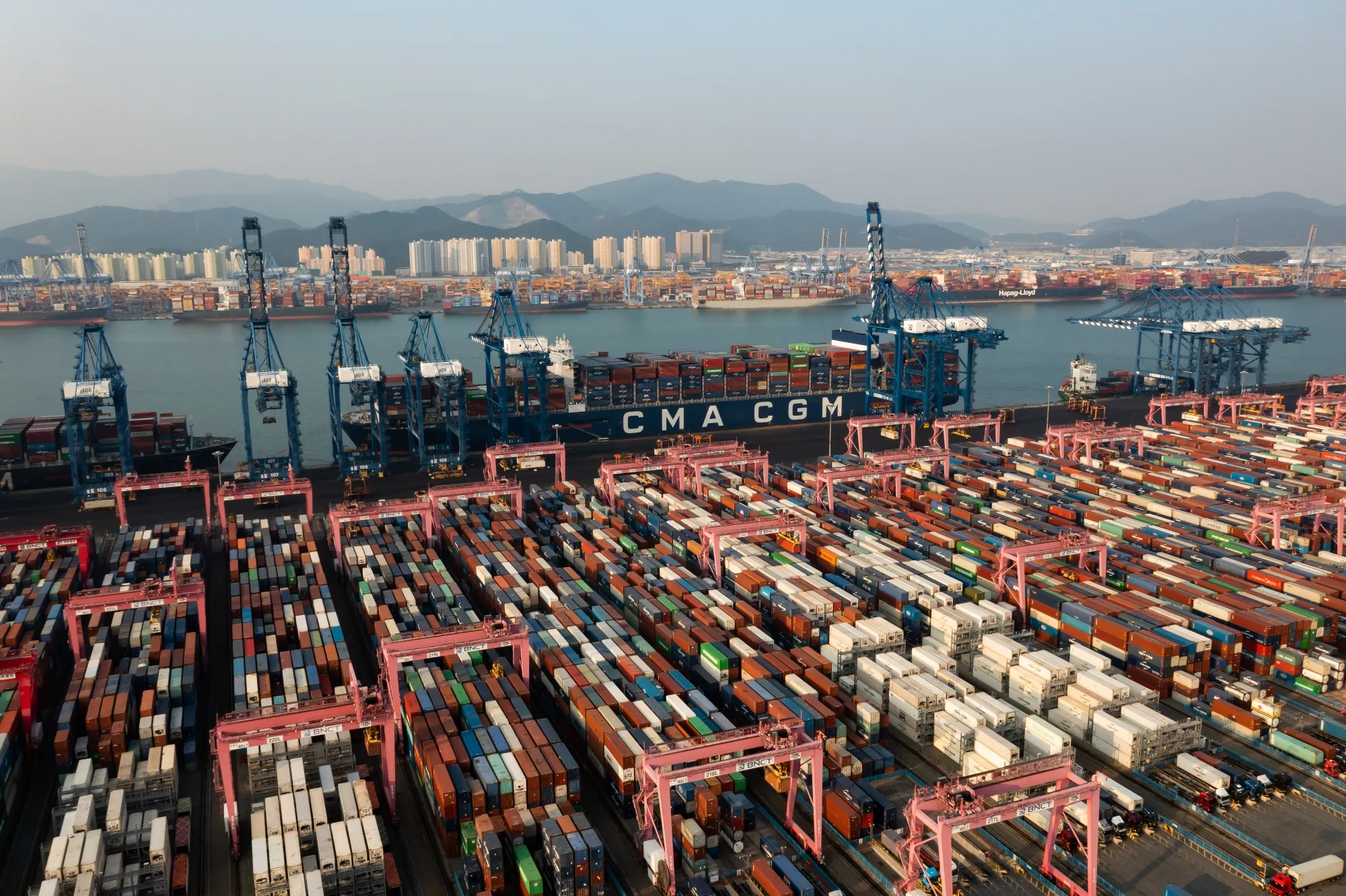
In addition, supply chain disruptions continue to ripple through global markets. Shipping delays, port congestion, and sanctions have made it more difficult for companies to secure raw materials and deliver finished goods efficiently.
Geopolitical Tensions Amplify Economic Instability
A key driver of the global industrial crisis is the escalation of geopolitical conflicts. The ongoing tensions between the United States and Iran have placed critical trade routes under pressure, particularly in the Middle East.
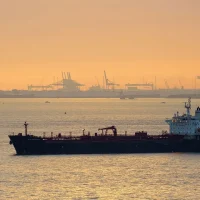
The Strait of Hormuz, a vital corridor for global oil shipments, remains a focal point of concern. Any disruption in this region could have immediate and severe consequences for global energy supply and industrial operations.
At the same time, increased defense spending is redirecting resources away from economic development. Governments are prioritizing national security, often at the expense of infrastructure and industrial investment.
Investor Sentiment Turns Cautious
Financial markets are reacting cautiously to the unfolding global industrial crisis. Investors are increasingly shifting toward safer assets, reflecting growing uncertainty about future economic conditions.
Industrial stocks have experienced volatility as analysts revise growth projections downward. Companies heavily reliant on international trade are facing particular scrutiny, as their business models are more vulnerable to disruption.
Corporate investment is also slowing. Many companies are delaying expansion plans and capital expenditures, choosing instead to conserve cash and navigate the uncertain environment.
Workforce Pressures and Employment Concerns
The global industrial crisis is beginning to affect labor markets, with companies adjusting workforce levels in response to declining output. Layoffs are becoming more common in certain sectors, raising concerns about unemployment.
At the same time, some industries continue to face skilled labor shortages, creating a complex dynamic that complicates recovery efforts. Businesses must balance cost-cutting measures with the need to retain talent.
Wage pressures are also increasing, as workers demand compensation that keeps pace with inflation. This adds another layer of financial strain for companies already dealing with rising costs.
Trade Policies Reshape Global Commerce
Trade policies are playing a significant role in shaping the global industrial crisis. Governments are implementing tariffs, sanctions, and export controls in an effort to protect domestic industries.
While these measures may offer short-term relief, they also risk fragmenting global trade networks. Reduced market access and higher costs could further weaken industrial output and slow economic growth.
Emerging economies are particularly vulnerable, as they rely heavily on exports to developed markets. A slowdown in global demand could have far-reaching consequences for these regions.
Technology Provides Limited Offset
Technology and innovation are offering some relief during the global industrial crisis, but experts caution that they are not a complete solution.
Automation and digital transformation can improve efficiency, but they require significant investment. Many companies are hesitant to commit resources to large-scale upgrades amid economic uncertainty.
Additionally, rapid technological change is increasing competition, forcing businesses to innovate while managing costs—a difficult balance in the current environment.
Historical Perspective on Industrial Disruptions
The current global industrial crisis is being compared to past economic shocks, including the oil crises of the 1970s and the financial crisis of 2008.
However, analysts emphasize that today’s situation is more complex due to the combination of geopolitical conflict, economic instability, and structural changes in global trade. These interconnected challenges make recovery more difficult.
Policy Responses and Global Coordination Needed
Governments and international organizations are beginning to respond to the global industrial crisis with a range of policy measures. These include financial support for key industries, incentives for domestic manufacturing, and efforts to stabilize energy markets.
However, experts stress the importance of global coordination. Without cooperation, policy actions may be less effective and could even contribute to further economic fragmentation.
Central banks are also navigating a delicate balance between controlling inflation and supporting economic growth. Interest rate decisions will play a crucial role in shaping the trajectory of the crisis.
Uncertainty Defines the Road Ahead
The future of the global industrial crisis will largely depend on geopolitical developments and the effectiveness of policy responses.
If tensions continue to escalate, the downturn could deepen, leading to prolonged economic challenges. On the other hand, diplomatic progress and improved trade relations could help stabilize markets and restore confidence.
Businesses are focusing on resilience, diversifying supply chains, and investing in risk management strategies. These efforts may help mitigate some impacts, but uncertainty remains high.
Global Industrial Crisis Signals Turning Point
The global industrial crisis represents a critical turning point for the world economy. Industrial sectors are under pressure from rising costs, geopolitical tensions, and shifting trade dynamics.
While there are opportunities for adaptation, the risks are significant. Policymakers, businesses, and investors must act decisively to navigate this challenging period and prevent a deeper economic downturn.