
Tel Aviv and Tehran, March 25, 2026, (Brussels Morning Newspaper) Middle East security updates continue to dominate global headlines as tensions between Israel and Iran intensify, raising serious concerns about regional stability and global security. Governments, analysts, and defense agencies are closely watching developments as military positioning and diplomatic signals evolve rapidly.
- Escalation Signals Across the Region
- Military Movements Reshaping Regional Strategy
- Diplomatic Channels Remain Active Behind the Scenes
- Global Powers and Strategic Influence
- Economic Implications and Energy Market Volatility
- Human Impact and Civilian Concerns
- Historical Context of Israel Iran Rivalry
- Risk of Escalation and Possible Outcomes
- A Defining Moment Shaping the Future of the Region
- Crossroads of Conflict and Cautious Hope
The situation reflects a critical moment in international relations, where strategy, perception, and timing are shaping outcomes. Middle East security updates now represent one of the most closely followed geopolitical narratives in the world.
Escalation Signals Across the Region
Recent Middle East security updates point to a noticeable rise in military readiness across Israel and Iran. Air defense systems have been placed on heightened alert, while early warning mechanisms remain active in major cities.
Israeli authorities have strengthened security in urban centers following threats, while Iranian officials have emphasized preparedness and vigilance. This pattern signals a shift toward a more cautious and reactive posture from both sides.
“Every action now carries amplified consequences, and both sides are aware of how quickly situations can escalate,”
said a regional security analyst.
Military Movements Reshaping Regional Strategy
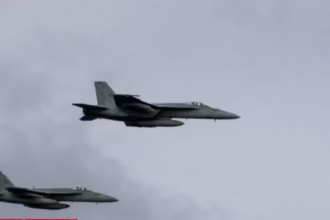
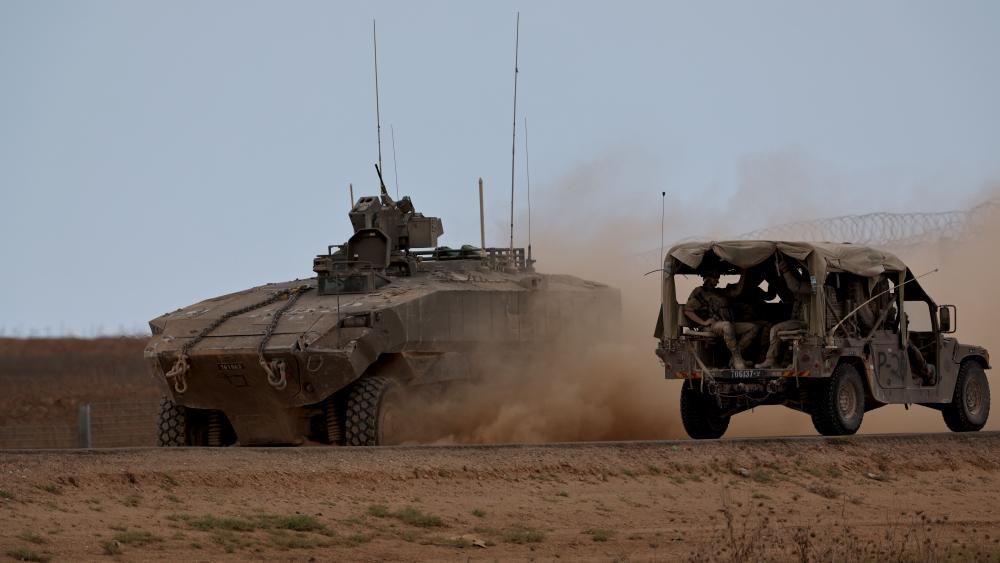
Another major focus of Middle East security updates is the movement of military assets across key locations. These movements are being interpreted as strategic positioning rather than routine adjustments.
Israel continues to rely on its advanced interception systems to defend against potential threats. Meanwhile, Iran has focused on reinforcing its missile capabilities and expanding its defensive infrastructure.
The presence of international forces in nearby regions further complicates the situation. These forces serve both as a deterrent and as a signal of broader global involvement.
Military analysts suggest that these deployments are carefully calculated, aimed at maintaining balance while signaling readiness.
Diplomatic Channels Remain Active Behind the Scenes
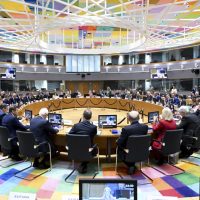
While tensions rise publicly, Middle East security updates also reveal that diplomatic communication has not been entirely suspended. Behind closed doors, discussions are ongoing to prevent escalation.
This dual approach of maintaining strong public positions while engaging in quiet diplomacy is common in high stakes geopolitical situations. It allows leaders to manage domestic expectations while exploring opportunities for de escalation.
A diplomatic insider noted
“Communication is often most important when tensions are highest, even if it is not visible to the public.”
Global Powers and Strategic Influence
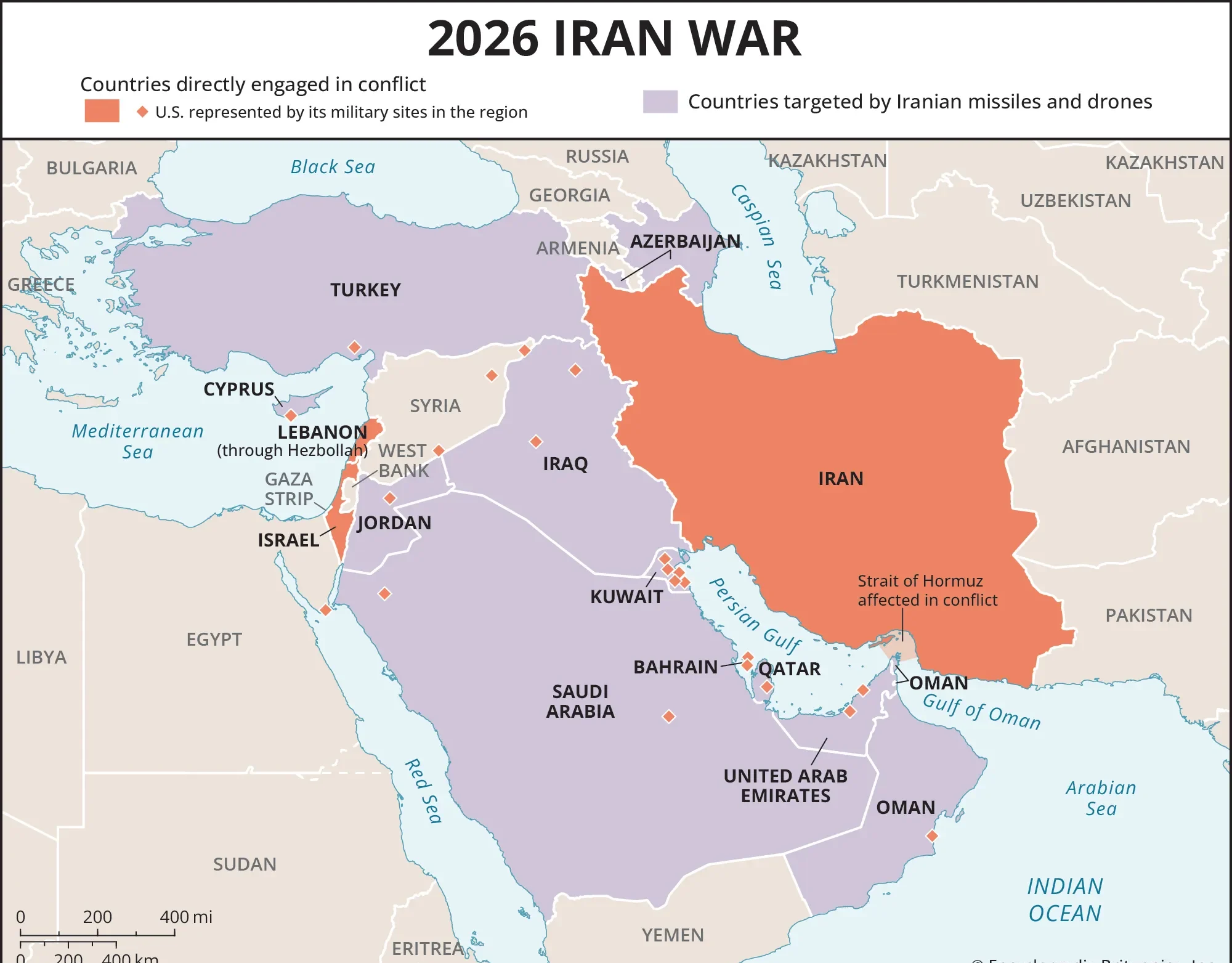
The broader context of Middle East security updates includes the involvement of global powers. The United States, along with other influential nations, continues to play a role in shaping developments.
Through military presence, diplomatic engagement, and strategic alliances, these countries contribute to the overall direction of events. Their involvement adds layers of complexity to an already volatile situation.
Global leaders have emphasized restraint, recognizing that instability in the Middle East can have far reaching consequences beyond the region.
Economic Implications and Energy Market Volatility
Middle East security updates are closely linked to economic trends, particularly in energy markets. The region plays a critical role in global oil supply, making it highly sensitive to geopolitical developments.
Recent fluctuations in oil prices reflect growing concerns among investors. Even the possibility of disruption can lead to immediate market reactions.
Economic analysts warn that prolonged instability could impact supply chains, transportation routes, and global trade. Governments and businesses are closely monitoring the situation, preparing for potential scenarios.
Human Impact and Civilian Concerns
Beyond strategy and economics, Middle East security updates also highlight the human dimension of the crisis. Civilians in affected areas face uncertainty, fear, and disruption to daily life.
Emergency services remain on high alert, and communities are taking precautions to ensure safety. The psychological impact of ongoing tension is significant, affecting families and local economies.
For many people in the region, the situation is not just a headline but a daily reality that influences how they live and plan for the future.
Historical Context of Israel Iran Rivalry
Understanding Middle East security updates requires examining the historical relationship between Israel and Iran. Decades of political tension, ideological differences, and regional competition have shaped current dynamics.
From indirect conflicts to direct threats, the rivalry has evolved over time. It has influenced alliances, military strategies, and diplomatic positions across the Middle East.
This historical perspective provides important context for current developments, helping explain why tensions remain high and difficult to resolve.
Risk of Escalation and Possible Outcomes
Middle East security updates suggest a range of possible outcomes, from controlled de escalation to more serious confrontation. The situation remains fluid, with decisions on both sides influencing the direction of events.
Security experts emphasize the importance of avoiding miscalculations. Even routine actions can be misinterpreted, leading to unintended consequences.
A defense analyst explained
“In high tension environments, perception can drive decisions just as much as reality.”
A Defining Moment Shaping the Future of the Region
The latest Middle East security updates point to a defining moment for the Middle East. The balance between conflict and diplomacy remains fragile, with each development carrying significant implications.
Leaders must navigate a complex landscape where strategic decisions have both immediate and long term effects. The importance of measured actions, clear communication, and diplomatic engagement cannot be overstated.
As events continue to unfold, the world remains focused on whether stability can be maintained or whether tensions will escalate further.
Crossroads of Conflict and Cautious Hope
Middle East security updates continue to shape global attention as tensions between Israel and Iran evolve. The situation reflects a critical intersection of military strategy, diplomatic effort, and human impact.
While risks remain high, the presence of ongoing communication offers a potential path toward stability. The coming days will play a crucial role in determining whether the region moves toward resolution or deeper conflict.
For now, Middle East security updates remain at the forefront of international concern, highlighting the complexity and urgency of maintaining peace in a volatile region.