Indo-Pacific Region – May 31 – Brussels Morning Newspaper — China military expansion continues to reshape the strategic landscape across the Indo-Pacific, prompting governments throughout Asia and the Pacific to strengthen defense partnerships and modernize military capabilities. As Beijing expands its military reach, naval presence, and technological capabilities, regional nations are increasingly pursuing broader security cooperation designed to maintain stability and strategic balance.
- Regional Governments Reassess Security Priorities
- Naval Modernization Remains a Key Focus
- Defense Partnerships Continue to Grow
- Strategic Uncertainty Encourages Diversification
- Technology Competition Shapes Modern Defense Planning
- Japan, India, and Australia Take Larger Roles
- Southeast Asia Balances Security and Economic Interests
- Maritime Security Becomes Increasingly Important
- Global Economic Implications
The evolving environment has encouraged countries to deepen military relationships, invest in advanced defense technologies, and expand joint exercises. Analysts describe the trend as one of the most significant geopolitical developments of the decade. The growing impact of China military expansion is now influencing security planning from Northeast Asia to the Indian Ocean.
Regional Governments Reassess Security Priorities
The Indo-Pacific remains one of the world’s most strategically important regions, home to critical shipping lanes, major economies, and growing military capabilities. As regional leaders evaluate emerging challenges, security planning has become increasingly focused on long-term resilience.
The rise of China military expansion has encouraged governments to reassess traditional assumptions regarding defense preparedness and regional deterrence. Several nations are now increasing military budgets, enhancing readiness programs, and expanding international security cooperation.
Defense officials across the region emphasize that these efforts are intended to strengthen stability and reduce vulnerabilities rather than provoke confrontation.
“The strategic environment is changing rapidly, requiring governments to adapt their security planning accordingly,”
one regional defense analyst said.
Naval Modernization Remains a Key Focus
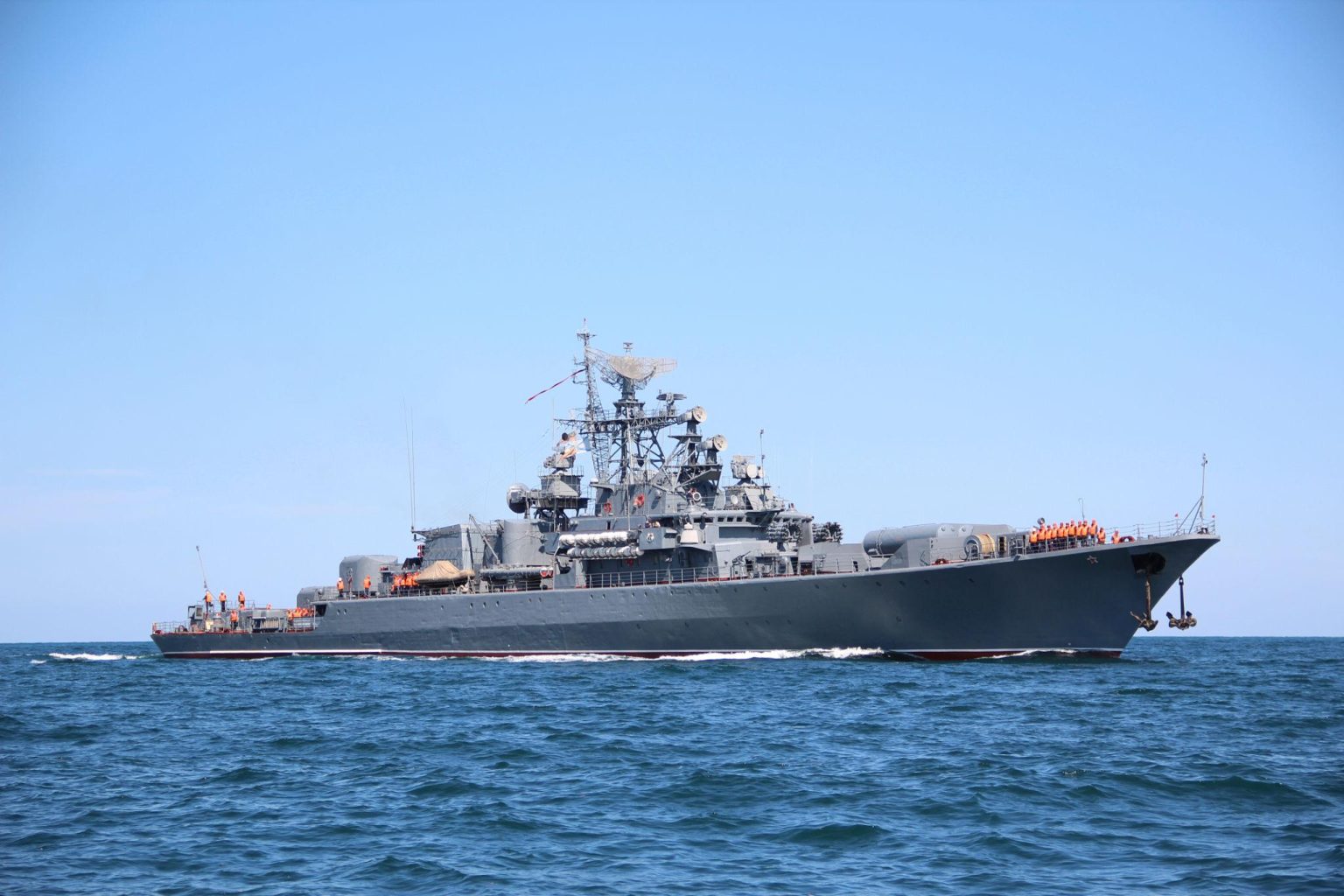
One of the most visible aspects of China military expansion has been the continued modernization of naval forces. Over the past decade, China has invested heavily in aircraft carriers, advanced destroyers, submarines, and maritime surveillance capabilities.
These developments have attracted significant attention because the Indo-Pacific contains some of the world’s busiest trade routes. Governments throughout the region increasingly view maritime security as essential to economic prosperity and national security.
As a result, countries such as Japan, Australia, India, and several Southeast Asian nations have expanded naval cooperation programs and conducted additional maritime exercises.
The goal is to improve interoperability, enhance maritime awareness, and strengthen regional security coordination.
Defense Partnerships Continue to Grow
The response to China military expansion has not been limited to military spending. Governments are also building stronger relationships with like-minded partners through defense agreements, intelligence-sharing initiatives, and technology cooperation.
These partnerships provide opportunities for countries to share expertise, improve readiness, and coordinate responses to emerging challenges. Security cooperation is increasingly viewed as a practical tool for managing uncertainty in a rapidly evolving geopolitical environment.
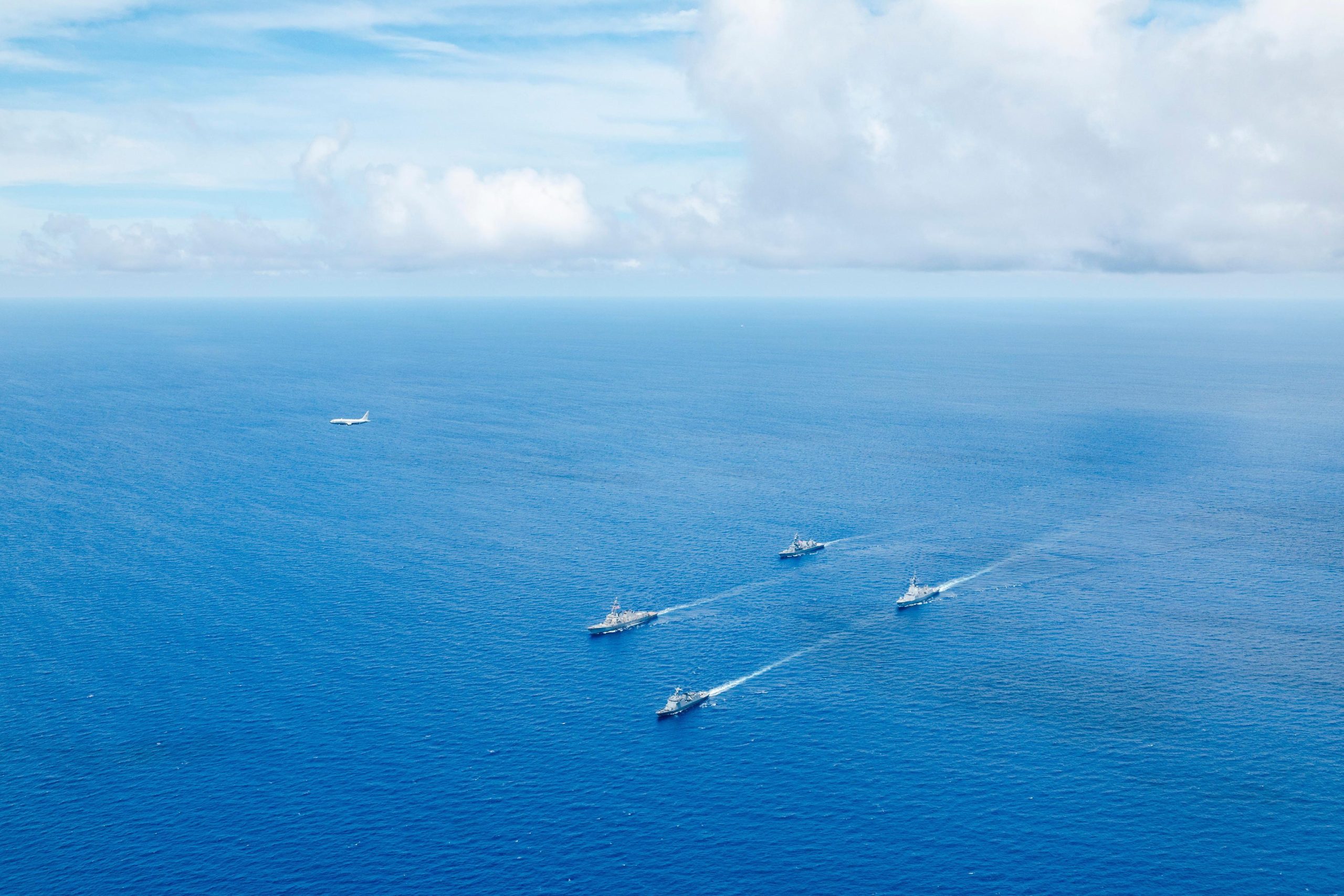
Several multinational exercises conducted throughout the Indo-Pacific have demonstrated the growing emphasis on collaborative defense planning.
Experts believe these partnerships will remain a defining feature of regional security policy during the coming years.
Strategic Uncertainty Encourages Diversification
Questions regarding future global security commitments have encouraged some governments to diversify their defense relationships. Rather than relying exclusively on a single alliance structure, many countries are pursuing multiple partnerships simultaneously.
The influence of China military expansion has accelerated this trend by encouraging regional leaders to explore broader frameworks for cooperation.
Countries are investing in domestic defense industries while strengthening relationships with neighboring states. This approach aims to improve flexibility and ensure preparedness across a variety of potential scenarios.
Analysts describe diversification as a key component of modern security planning.
“Strategic flexibility is becoming increasingly important in an unpredictable international environment,”
a geopolitical researcher noted.
Technology Competition Shapes Modern Defense Planning
Military competition today extends well beyond traditional weapons systems. Emerging technologies including artificial intelligence, cyber security, autonomous platforms, and advanced communications networks are becoming central to national defense strategies.
The pace of China military expansion in advanced technologies has prompted many governments to accelerate research and development initiatives. Regional powers are investing heavily in innovation to maintain competitiveness and strengthen national security capabilities.
Technology partnerships have become a critical part of defense cooperation, allowing nations to share expertise and reduce development costs.
Experts believe future security competition will increasingly depend on technological leadership as much as conventional military strength.
Japan, India, and Australia Take Larger Roles
Several regional powers have emerged as key participants in efforts to strengthen security cooperation. Japan continues to expand defense investments, Australia is modernizing military capabilities, and India is enhancing both domestic production and international partnerships.
The influence of China military expansion has encouraged these countries to take more active roles in shaping regional security discussions.
Joint exercises, defense agreements, and strategic dialogues have become increasingly common as governments seek practical ways to address evolving challenges.
These efforts are contributing to a more interconnected regional security architecture.
Southeast Asia Balances Security and Economic Interests
For many Southeast Asian nations, managing the effects of China military expansion requires careful balancing. China remains a major trading partner for numerous countries in the region, creating strong economic incentives for cooperation.
At the same time, governments are working to preserve strategic autonomy and protect national interests. This balancing act has become one of the defining features of regional diplomacy.
Many Southeast Asian leaders continue to support dialogue, economic engagement, and peaceful dispute resolution while simultaneously strengthening defense preparedness.
The approach reflects the complex realities facing governments throughout the Indo-Pacific.
Maritime Security Becomes Increasingly Important
Freedom of navigation remains a major concern for governments across the region. Critical sea lanes support trillions of dollars in annual trade and connect major global economies.
The ongoing impact of China military expansion has increased focus on maritime security initiatives designed to safeguard commercial shipping and strategic waterways.
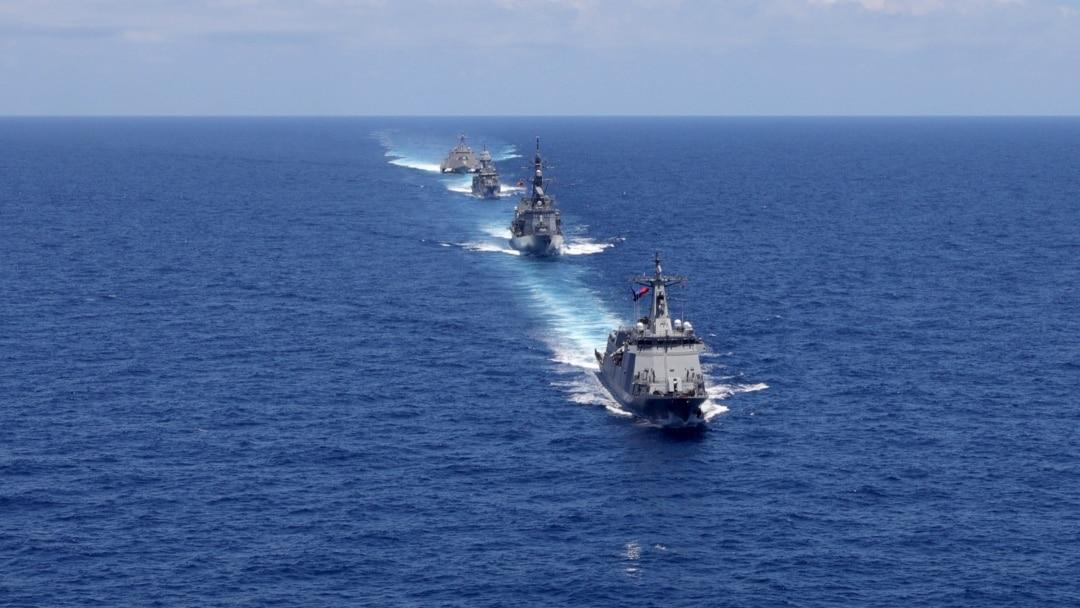
Regional navies continue to conduct joint patrols, training exercises, and maritime surveillance operations aimed at improving security awareness and cooperation.
Many analysts view maritime stability as essential to both economic growth and regional peace.
Global Economic Implications
The consequences of China military expansion extend beyond security policy. Investors, multinational corporations, and financial institutions closely monitor developments that could influence trade routes, supply chains, and economic confidence.
The Indo-Pacific region accounts for a significant share of global economic activity, making stability a matter of international importance.
Governments worldwide are increasingly paying attention to regional security developments because of their potential impact on commerce and investment.
“Economic stability and security stability are closely interconnected throughout the Indo-Pacific,”
an international affairs expert explained.