Tehran, Iran — March 14, 2026 — Brussels Morning Newspaper — A developing Iran humanitarian crisis is drawing international attention as authorities and relief organizations respond to widespread damage affecting civilian housing and infrastructure in several regions of the country.
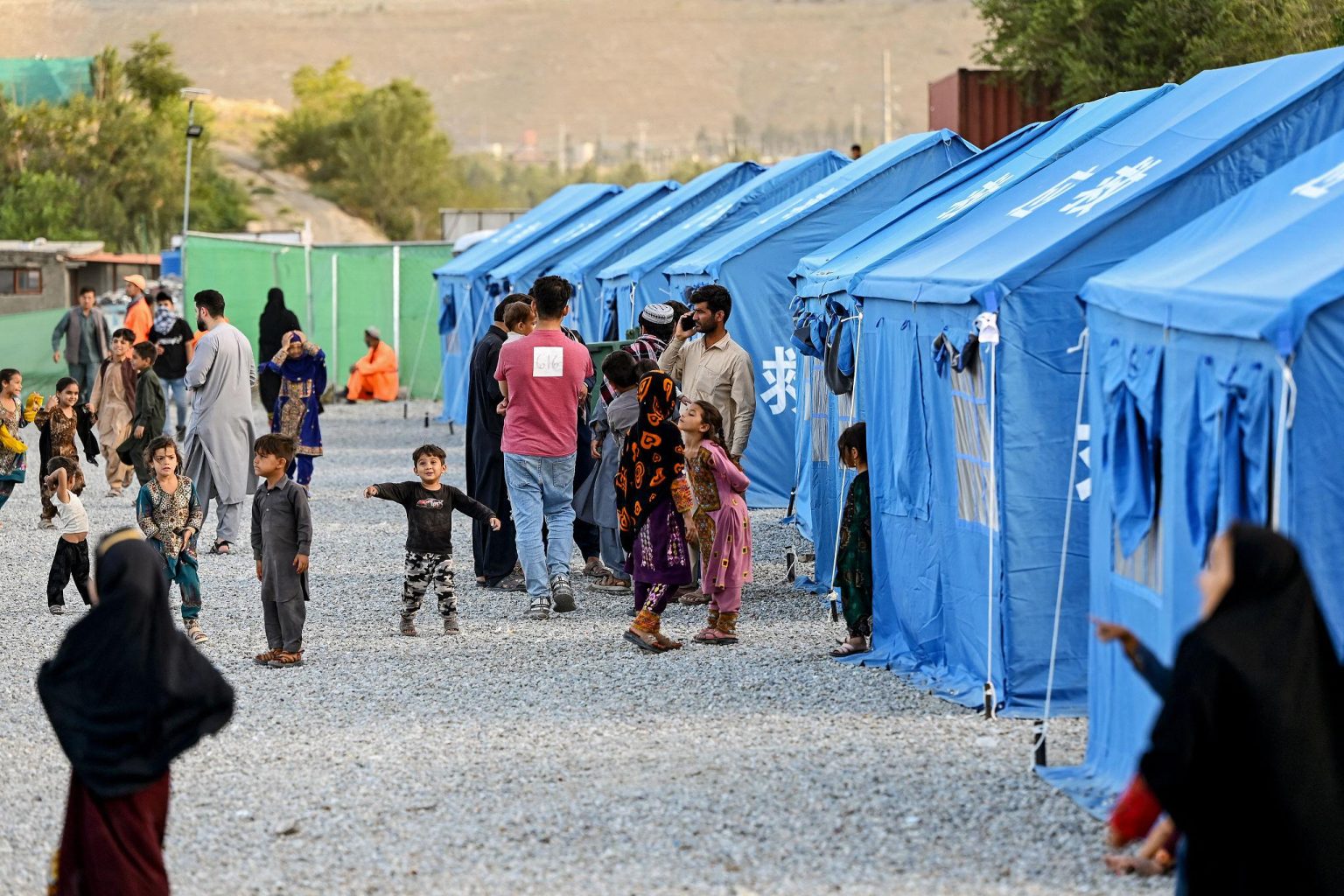
Early assessments suggest that thousands of residential buildings have been damaged in recent attacks, forcing families to evacuate their homes and seek temporary shelter. Emergency response teams have been deployed across multiple cities to inspect structures, provide medical aid, and assist displaced residents.
Humanitarian officials say the situation has placed significant pressure on emergency services as communities work to stabilize daily life following the destruction. Relief organizations are focusing on restoring safety, delivering essential supplies, and identifying the most vulnerable families.
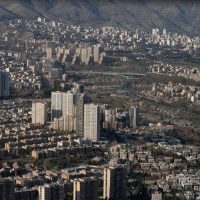
The growing scale of destruction has intensified the Iran humanitarian crisis, particularly in densely populated urban neighborhoods where housing damage has affected large numbers of residents.
Authorities continue to evaluate the structural safety of buildings while coordinating emergency assistance with humanitarian agencies.
Civilian Housing Damage and Displacement
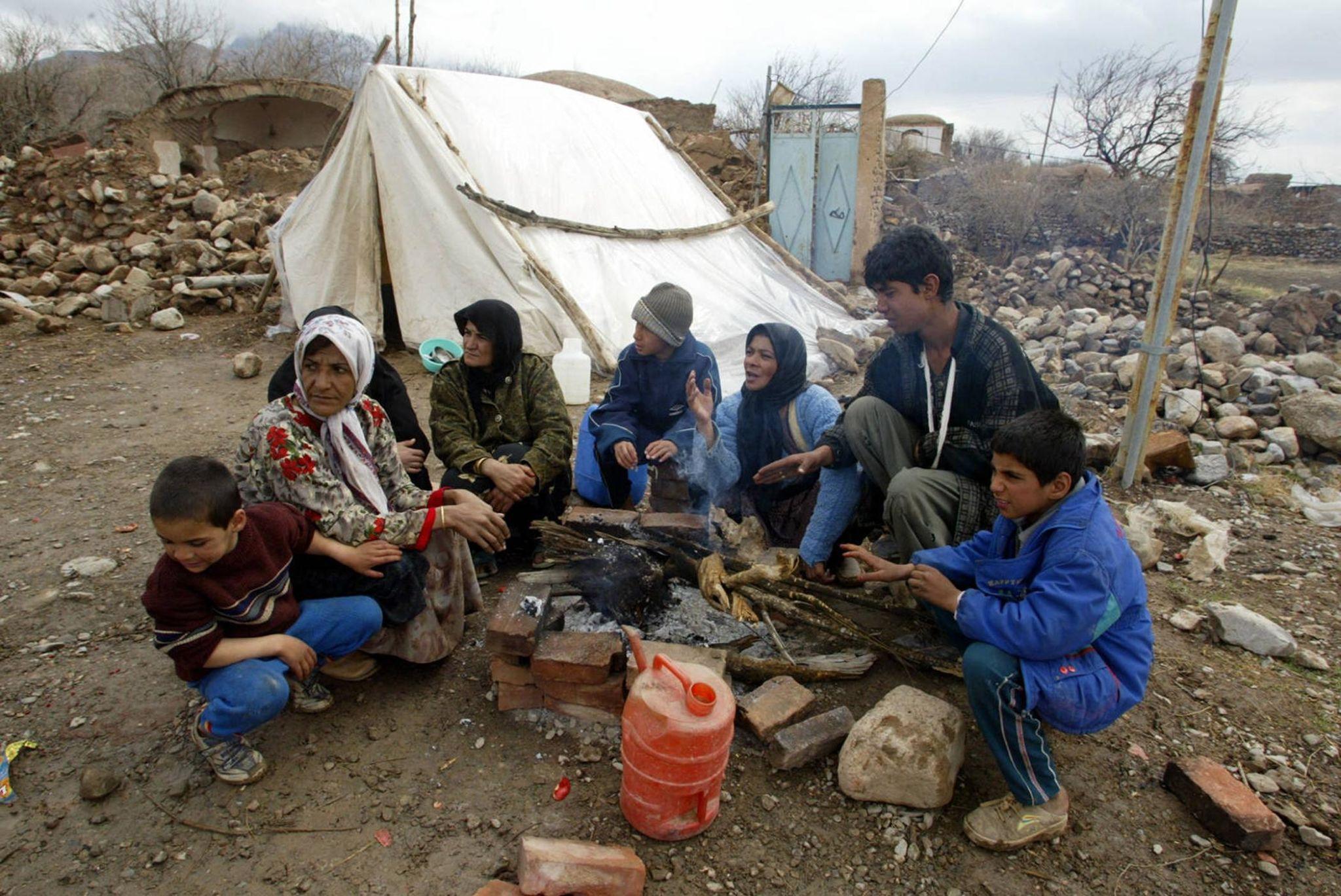
One of the most serious consequences of the attacks has been the destruction and damage to residential housing. Entire apartment blocks and neighborhoods have experienced structural damage that makes them unsafe for residents to occupy.
Many families were forced to leave their homes quickly as rescue teams inspected buildings for possible collapse risks. Public buildings such as schools and community centers have been temporarily converted into emergency shelters for displaced residents.
The displacement of families has increased the urgency of the Iran humanitarian crisis, as authorities attempt to provide safe housing and support for those affected.
Local officials say the number of displaced residents could continue to rise as engineers complete building inspections and identify additional structures that require evacuation.
For many families, uncertainty about when they will be able to return home remains a major concern.
Emergency Response and Relief Efforts
Relief agencies across the country have mobilized thousands of volunteers and emergency workers to assist communities affected by the damage.
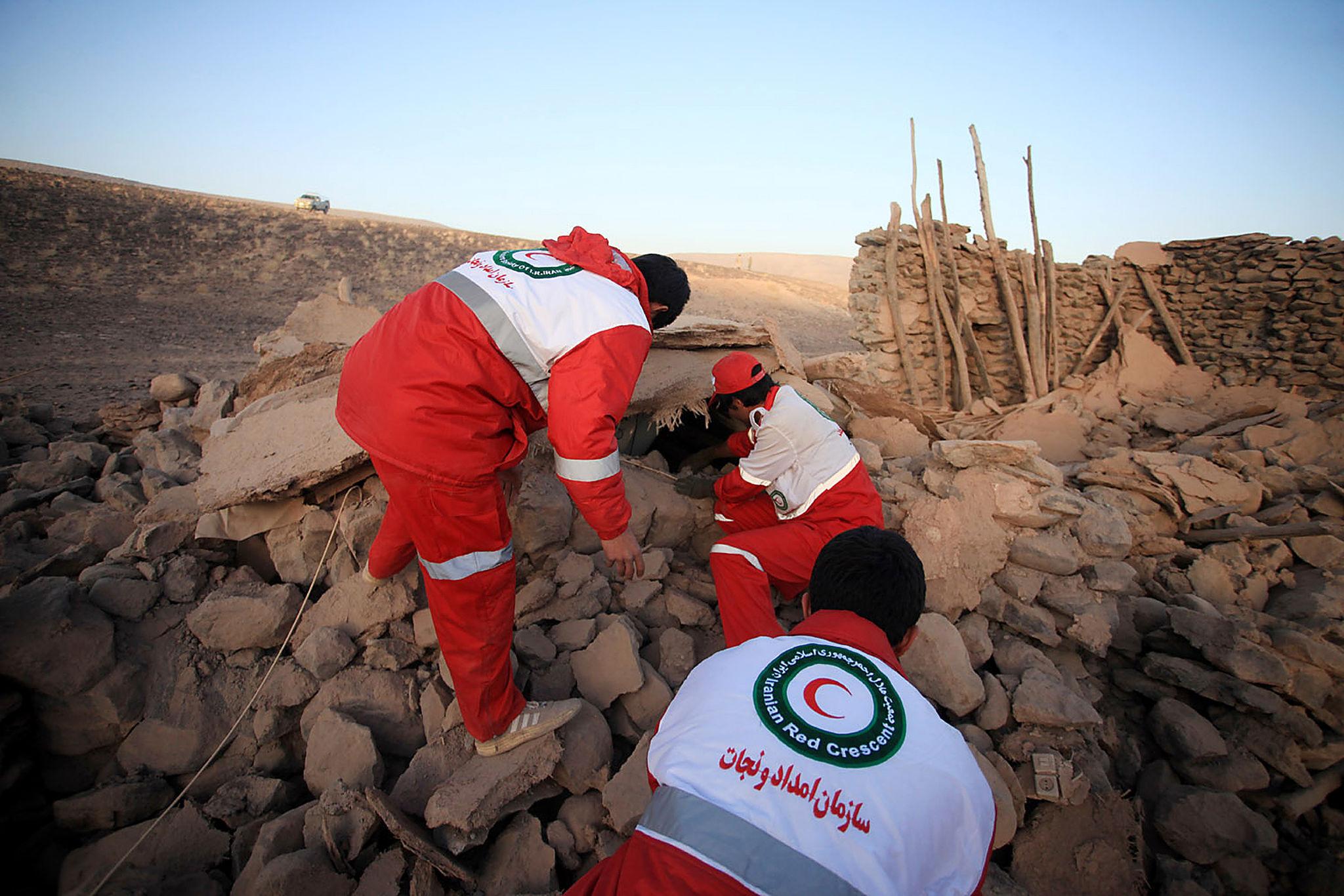
Search and rescue teams have been working around the clock to locate survivors in collapsed or partially damaged buildings. Medical workers have also been treating injured residents while distributing essential supplies.
Emergency aid programs have focused on several immediate priorities:
Temporary housing for displaced families
Food and clean drinking water distribution
Emergency medical treatment
Support services for affected communities
These efforts are designed to reduce the immediate humanitarian impact while authorities continue to assess long term recovery needs.
Relief workers say the scale of destruction has made the response more complex, increasing pressure on humanitarian organizations already dealing with limited resources.
The growing Iran humanitarian crisis has therefore required coordinated action between local governments, emergency responders, and aid organizations.
Disruption to Community Life
Beyond the physical damage, the humanitarian situation has disrupted everyday life in affected communities.
Schools in several districts have temporarily closed as officials evaluate whether buildings are structurally safe. Some schools are currently serving as temporary shelters for displaced residents.
Local businesses located in residential neighborhoods have also suffered damage, creating economic uncertainty for shop owners and employees.
Community leaders say the Iran humanitarian crisis has affected nearly every aspect of daily life in areas where housing damage occurred.
Families are facing challenges such as transportation disruptions, limited access to local services, and the emotional stress of displacement.
Authorities are attempting to stabilize conditions while humanitarian groups continue to provide assistance to affected residents.
Infrastructure Damage Slows Recovery
In addition to residential housing destruction, several cities have reported damage to public infrastructure.
Roads, electrical systems, and municipal services have been disrupted in areas where buildings collapsed or debris blocked transportation routes.
Municipal crews have begun clearing rubble and repairing damaged infrastructure so emergency vehicles and aid deliveries can reach affected neighborhoods.
The infrastructure damage has further complicated the Iran humanitarian crisis, as disrupted utilities and transportation networks slow down relief efforts.
Restoring electricity, water supply, and road access is now considered essential to stabilizing communities and allowing reconstruction work to begin.
Engineers are currently evaluating damaged systems to determine the level of repairs required.
Historical Comparison With Past Regional Conflicts
Humanitarian experts have compared the current situation to earlier periods of conflict in the Middle East when civilian infrastructure suffered significant damage.
During the Iran Iraq war of the 1980s, for example, residential areas were frequently affected by missile strikes and military operations, leaving large numbers of civilians displaced and requiring long reconstruction efforts.
Other regional conflicts have shown similar patterns where damage to housing and infrastructure created long term humanitarian challenges.
Analysts say the current Iran humanitarian crisis could follow comparable trends if rebuilding efforts take years to complete.
Past experience demonstrates that reconstruction of housing, public infrastructure, and local economies often requires sustained cooperation between government authorities and humanitarian organizations.
Understanding these historical precedents may help guide recovery strategies for communities affected by the current destruction.
International Reaction and Humanitarian Concerns
The humanitarian situation has attracted attention from global organizations and international observers monitoring developments in the region.
Humanitarian agencies have emphasized the importance of protecting civilian populations and maintaining access for relief workers responding to emergencies.
Diplomatic discussions have also intensified as governments around the world consider the humanitarian implications of the conflict.
A humanitarian worker involved in relief operations described the situation in simple terms:
“Communities that were stable only days ago are now struggling to provide basic shelter and safety for thousands of families.”
The statement highlights the urgency of addressing the Iran humanitarian crisis as quickly as possible.
Aid organizations say continued support will be necessary to stabilize communities and provide assistance to displaced residents.
Long Term Reconstruction Challenges
Rebuilding damaged homes and infrastructure will likely require extensive planning and financial resources.
Engineers and construction specialists will first need to determine which buildings can be repaired and which must be demolished and rebuilt entirely.
Authorities are expected to launch reconstruction programs aimed at restoring housing and rebuilding community facilities.
The recovery process will also involve restoring schools, hospitals, and local businesses that were damaged during the attacks.
Experts warn that rebuilding after the Iran humanitarian crisis may place economic pressure on affected regions as governments allocate resources for reconstruction and recovery.
Communities will also need social and economic support to help families return to stable living conditions.