Jerusalem, March 31, 2026 — Brussels Morning Newspaper — Israel has announced plans to destroy all homes in Lebanese villages near the Lebanon border, aiming to create a strategic buffer zone and secure northern Israel. Defence Minister Israel Katz emphasized that displaced residents, totaling over 1.2 million, will not return south of the Litani River until security is guaranteed. The IDF intends to eliminate Hezbollah’s elite fighters and destroy weapons stockpiles in the region, mirroring Gaza-style operations. The military confirmed nearly 5,000 drones and rockets have been fired at Israel, while airstrikes target infrastructure in southern Beirut suburbs, raising concerns over escalating civilian displacement along the Lebanon border.
Israel Plans Widespread Destruction Near Lebanon Border
Defence Minister Israel Katz stated that the Israeli military intends to implement a strategy similar to previous operations in Gaza.
“All houses in villages near the Lebanon border will be destroyed to permanently remove threats to northern residents,”
Katz said. The move is designed to neutralize Hezbollah infiltration attempts and secure key northern Israeli territories from cross-border attacks.
Establishing a Buffer Zone Up to the Litani River
Katz explained that Israel plans to maintain control over a swathe of territory extending to the Litani River once military operations conclude. This buffer zone is intended to prevent anti-tank missile attacks and provide a defensive line against Hezbollah fighters operating in southern Lebanon. The area between the Litani River and the Israel-Lebanon border amounts to nearly a tenth of Lebanon’s territory.
Evacuation and Displacement of Lebanese Residents
More than 1.2 million Lebanese civilians have fled southern villages under orders from the Israeli military. Residents from Hezbollah-controlled regions, including southern Beirut suburbs and eastern Lebanon strongholds, have been displaced to safer areas. Katz emphasized that residents will not be allowed to return south of the Litani River until northern Israel is fully secure, ensuring long-term safety for border communities.
International Consequences of Lebanon Border Conflict
The escalation along the Lebanon border carries implications far beyond the immediate conflict zone. European and U.S. policymakers are closely watching Israel’s strategy, concerned that prolonged destruction and mass displacement could destabilize Lebanon and trigger a broader refugee crisis. Analysts warn that Iran-backed Hezbollah may exploit civilian suffering to rally regional support, complicating Western efforts to mediate peace. For global markets, the conflict heightens anxiety over energy supplies and security in the Eastern Mediterranean. If hostilities persist, there is potential for increased international military involvement or sanctions, signaling that the Lebanon border crisis could reshape both diplomatic priorities and regional security calculations in the months ahead.
Hezbollah Strikes Escalate Along Lebanon Border
The Israel Defence Forces (IDF) reported that Hezbollah has launched almost 5,000 drones, rockets, and missiles at Israeli towns near the Lebanon border. These attacks have prompted a new wave of Israeli airstrikes targeting Hezbollah infrastructure, particularly in southern Beirut suburbs. The conflict represents the second major clash between Israel and Hezbollah since 2024, following a previous war that caused heavy casualties on both sides.
Civilian Casualties and Humanitarian Concerns
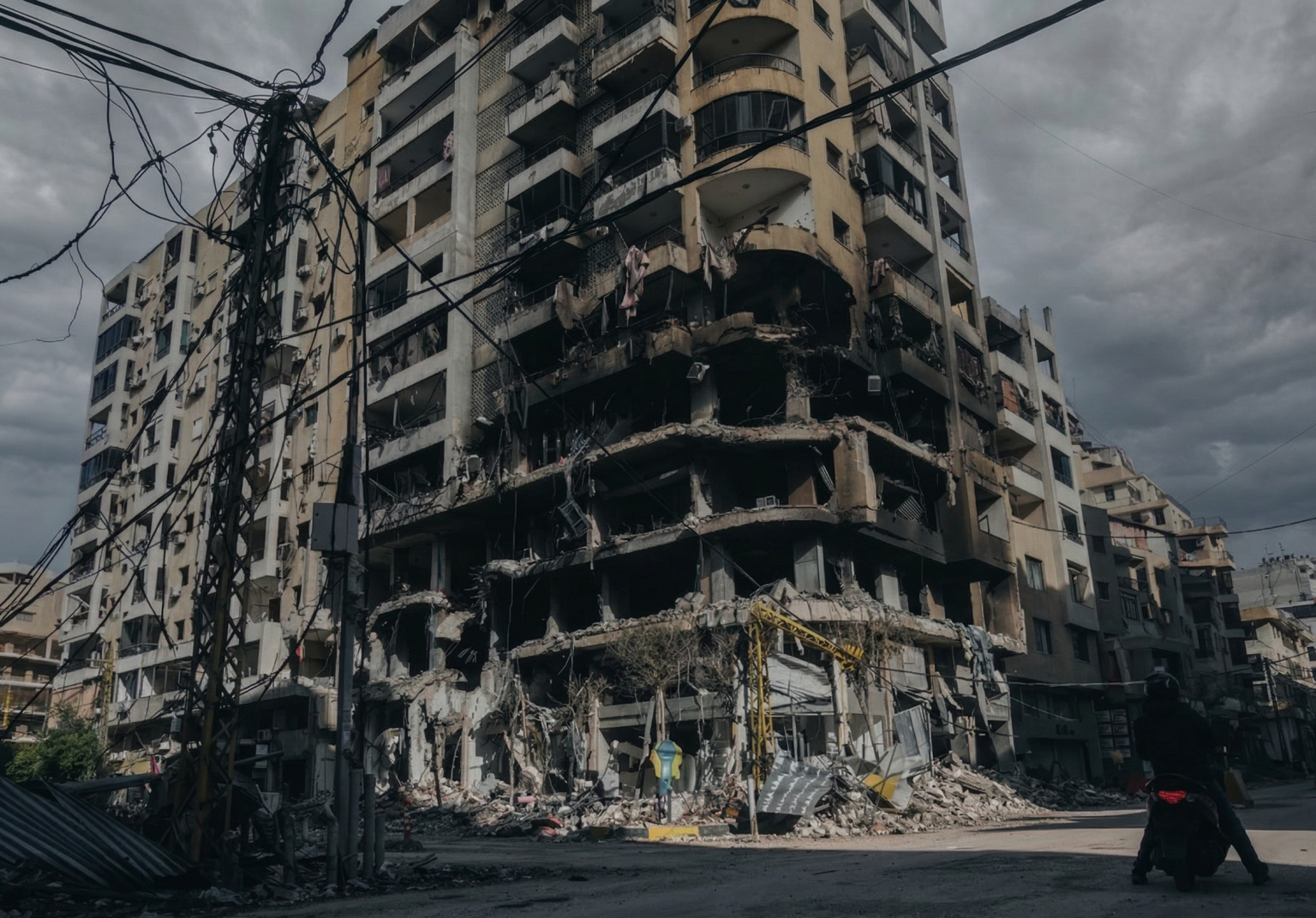
The Lebanese Health Ministry has reported 1,247 deaths in Israeli strikes, including 124 children and 52 medics. While Israel focuses on eliminating military threats, the destruction of homes near the Lebanon border has sparked international humanitarian concerns. Displaced residents face long-term uncertainty, with many unable to return to their homes for the foreseeable future.

Military Strategy and Objectives
Israel’s military aims to target Hezbollah’s elite Radwan fighters and eliminate weapons caches located in villages near the Lebanon border. The IDF plans to maintain security control over the entire buffer zone, including bridges and key infrastructure along the Litani River. This strategy seeks to permanently remove cross-border threats and provide sustained protection to northern Israeli communities.
Regional Implications and Security Challenges
Analysts warn that Israel’s planned destruction of homes and buffer zone establishment may heighten regional tensions. While Israel asserts that these measures are necessary for defense, the move could provoke retaliation from Hezbollah and escalate violence along the Lebanon border. The strategic decision underscores the complex security challenges facing both Israel and Lebanon in this conflict.
International Reactions and Diplomatic Pressure
The international community has expressed concern over civilian displacement and the destruction of homes near the Lebanon border. Human rights organizations have called for restraint, highlighting the potential long-term consequences for Lebanese civilians. Israel, however, maintains that these actions are crucial to prevent future attacks and protect northern residents.
Historical Context of Israel-Hezbollah Clashes
The conflict along the Lebanon border is rooted in decades of tension between Israel and Hezbollah, an Iran-backed militant group. Past confrontations have resulted in significant military and civilian losses, with Hezbollah’s operations supported by Tehran. Israel’s current campaign reflects a continuation of longstanding strategies to neutralize threats along its northern frontier.
Ongoing Military Operations
The weeks ahead are expected to see continued Israeli operations along the Lebanon border, as the IDF enforces its buffer zone strategy. Hezbollah is likely to adapt its tactics, potentially leading to further clashes. The security of northern Israel remains the primary objective, with the destruction of homes near the Lebanon border forming a core part of Israel’s military plan to prevent future infiltration and attacks.