
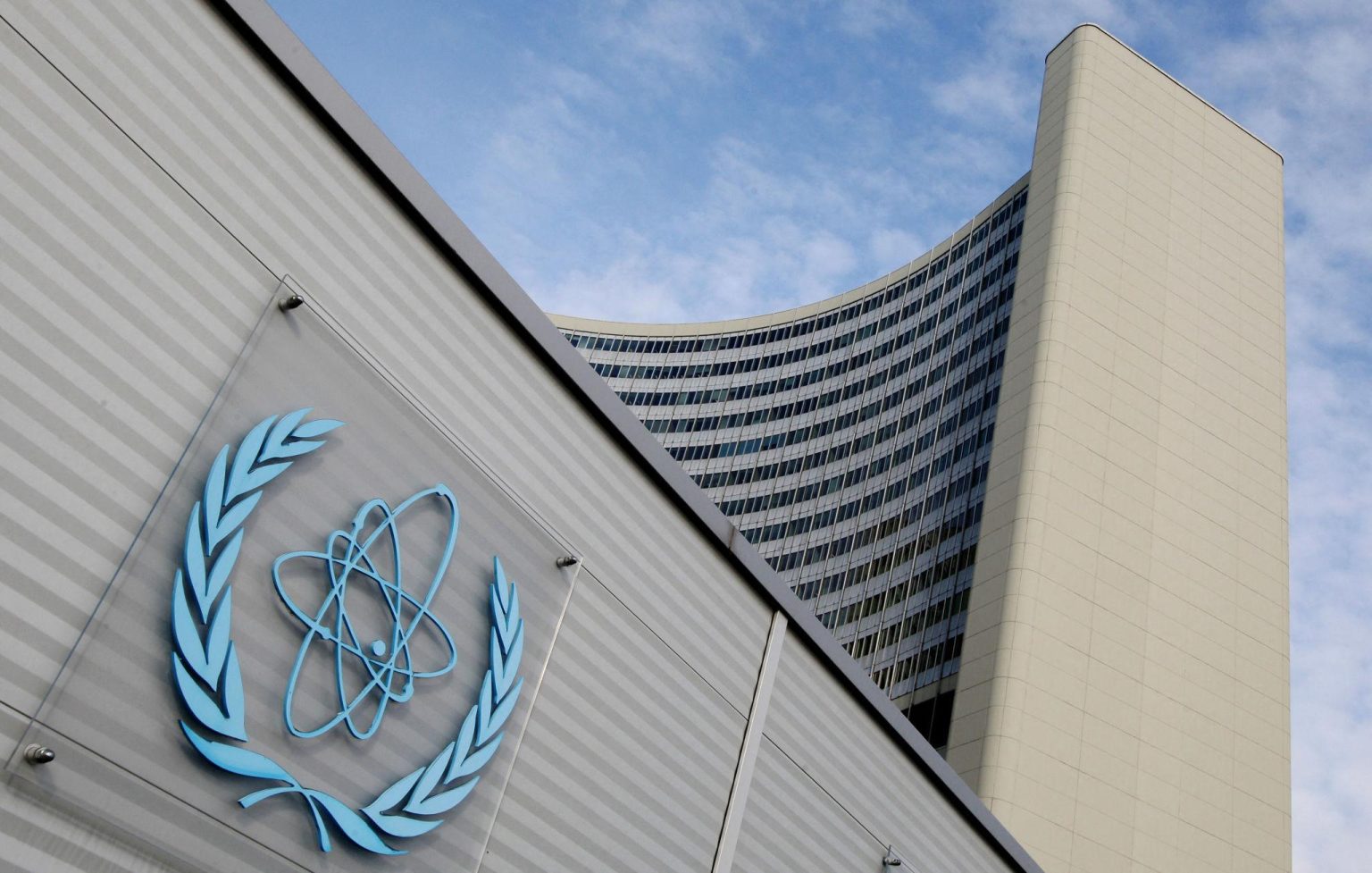
Tehran, February 16, 2026 — Brussels Morning Newspaper confirms that the IAEA meeting held today in Tehran has intensified diplomatic engagement ahead of the next phase of nuclear negotiations. Senior Iranian officials and representatives from the International Atomic Energy Agency gathered to address safeguards implementation, verification access, and technical transparency measures. The IAEA meeting unfolds at a critical moment in 2026 as regional security concerns and global energy dynamics intersect with long standing nuclear oversight debates.
Diplomatic sources described the session as structured and technical, focusing on measurable compliance standards rather than political symbolism. The tone of the IAEA meeting suggests cautious engagement designed to stabilize negotiations before formal multilateral discussions begin.
Strategic Context Surrounding the Talks
The IAEA meeting did not occur in isolation. Over recent months, diplomatic communication between Tehran and international partners has fluctuated amid broader geopolitical recalibrations.
Nuclear diplomacy remains one of the most sensitive arenas in international relations. Enrichment thresholds, inspection access, and sanctions frameworks continue to shape global policy calculations. By convening this IAEA meeting ahead of high level negotiations, both sides signaled recognition that technical clarity is essential to political progress.
Officials familiar with the discussions indicated that early alignment on safeguards procedures can significantly reduce the risk of later disputes. Technical misunderstandings have historically complicated negotiations, making preparatory engagement a strategic necessity.
Technical Safeguards at the Forefront
A central focus of the IAEA meeting involved inspection protocols and verification technologies. Agency representatives emphasized the importance of uninterrupted monitoring at declared facilities.
Modern safeguards incorporate digital surveillance systems, environmental sampling, satellite imagery analysis, and automated data transmission. These tools collectively provide comprehensive oversight of nuclear material usage. During the IAEA meeting, experts reviewed calibration standards, reporting intervals, and access schedules to ensure alignment with international requirements.
Verification frameworks operate as the backbone of trust in nuclear diplomacy. Without reliable inspection mechanisms, diplomatic assurances carry limited weight.
One senior participant noted,
“Transparency and sustained cooperation are the foundations of nuclear stability.”
This perspective reflects the shared understanding that technical credibility underpins political agreements.
International Reaction and Market Sensitivity
Global reaction to the IAEA meeting was measured but attentive. Governments across Europe and Asia issued statements welcoming continued engagement and emphasizing adherence to established safeguards norms.
Energy markets responded cautiously. Analysts observe that developments in nuclear diplomacy involving Iran frequently influence oil pricing expectations. Even incremental progress can reduce uncertainty in supply forecasts.
A European policy adviser commented,
“Constructive dialogue creates predictability, which benefits both security and economic planning.”
Regional stakeholders likewise reiterated the importance of maintaining open channels. Stability in nuclear oversight contributes to broader regional equilibrium, particularly in areas where security dynamics remain delicate.
Political Dimensions Within Iran and Abroad
Beyond technical considerations, the IAEA meeting carries significant political implications. In Tehran, leaders must balance economic pressures tied to sanctions with domestic security narratives. Engagement with international oversight authorities may facilitate broader diplomatic flexibility while preserving national interests.
International partners face their own political calculations. Legislative oversight bodies and public opinion influence how governments approach compromise in nuclear negotiations. Ensuring that verification mechanisms remain robust is often a prerequisite for broader diplomatic concessions.
Nuclear diplomacy therefore unfolds within a layered political environment. The IAEA meeting serves as both a technical consultation and a political signal of willingness to engage constructively.
History of Nuclear Oversight and Iran’s Engagement
The International Atomic Energy Agency was established in 1957 to promote peaceful uses of nuclear energy while preventing proliferation. Over decades, inspection regimes have evolved to incorporate increasingly sophisticated monitoring technologies.
Iran’s nuclear program has remained central to global oversight discussions for many years. Agreements have introduced enrichment limits, enhanced inspection rights, and phased sanctions relief in exchange for compliance. However, geopolitical tensions and compliance disputes have periodically complicated implementation.
The current IAEA meeting fits within this historical continuum. Diplomatic progress has often been gradual, marked by incremental technical adjustments rather than sweeping political breakthroughs. Yet sustained engagement has consistently proven more effective than disengagement in maintaining institutional credibility.
Understanding this history provides context for evaluating developments in 2026.
Strategic Implications for Global Security
In the broader international landscape, nuclear transparency remains a stabilizing force. The IAEA meeting contributes to reducing miscalculation risks by clarifying inspection expectations and communication procedures.
Security analysts emphasize that ambiguity in nuclear oversight can heighten tensions. By contrast, structured engagement fosters predictability.
The outcomes of this diplomatic phase may influence not only nuclear policy but also trade negotiations, regional alliances, and humanitarian access arrangements. Nuclear agreements often intersect with economic considerations and strategic partnerships.
In 2026, with geopolitical alignments shifting, consistent oversight mechanisms carry heightened importance.
Economic Considerations and Sanctions Dynamics
Economic pressures remain intertwined with nuclear negotiations. Sanctions frameworks influence trade flows, currency stability, and investment decisions.
The IAEA meeting offered a signal of engagement that may support cautious optimism among market observers. However, analysts caution that sustained progress depends on continued compliance and reciprocal diplomatic steps.
Economic incentives often serve as leverage in negotiations. Policymakers must weigh immediate financial impacts against long term security objectives.
In this environment, technical alignment at the inspection level can create conditions for broader economic recalibration.
Preparations for Formal Multilateral Talks
Attention now turns toward formal multilateral sessions anticipated later this quarter. The groundwork established during the IAEA meeting is expected to inform agenda setting and negotiation sequencing.
Diplomats stress that preparatory engagement reduces procedural friction. By addressing technical discrepancies in advance, negotiators can focus on substantive policy questions when political leaders convene.
A regional security analyst observed,
“Progress in nuclear diplomacy often begins with disciplined preparation rather than dramatic announcements.”
This assessment reflects the incremental nature of the process.
Transparency as the Cornerstone of Stability
Transparency remains the defining principle of effective nuclear oversight. The IAEA meeting underscored the importance of timely data sharing, unimpeded inspections, and verifiable reporting.
Technological advancements have enhanced detection capabilities, but institutional trust ultimately depends on cooperation. Consistent compliance demonstrates commitment to international norms and reduces speculation.
Without transparency, negotiations risk erosion. With it, even contentious discussions retain a structured pathway forward.

The Road Ahead in 2026
As February 2026 progresses, the implications of the IAEA meeting are becoming clearer. While no immediate breakthroughs were announced, the emphasis on structured technical dialogue indicates sustained commitment to engagement.
The coming months will determine whether preparatory alignment evolves into comprehensive agreements. Negotiations of this complexity rarely yield swift transformation; they depend on incremental trust building and disciplined verification.
Brussels Morning Newspaper will continue following developments as diplomatic channels remain active. In a geopolitical landscape marked by uncertainty, the pursuit of transparency and dialogue remains central to maintaining global nuclear stability.