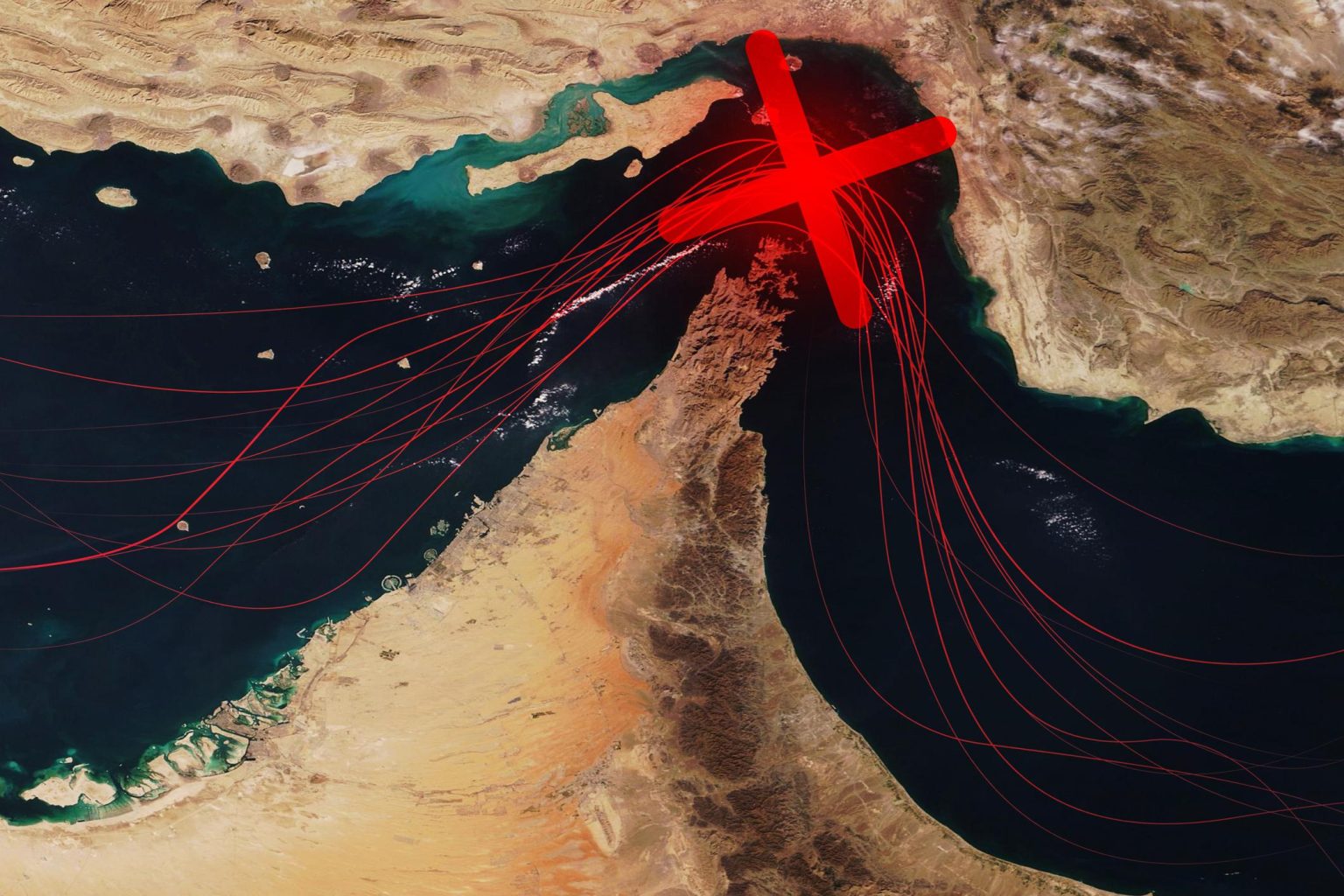
Strait of Hormuz, Middle East, April 14, 2026 — Brussels Morning Newspaper — Global oil supply crisis is rapidly escalating after U.S. military officials confirmed that six commercial vessels were forced to turn around amid heightened tensions linked to the Strait of Hormuz blockade.
- Six Ships Turned Back Amid Rising Risk
- Strategic Importance of the Strait of Hormuz
- Market Reaction and Oil Price Volatility
- Geopolitical Tensions Drive the Crisis
- Impact on Global Shipping and Trade
- International Response and Diplomatic Efforts
- Military Monitoring and Security Measures
- Broader Economic Implications
- Outlook: What Comes Next
- Key Takeaways
Authorities from the United States Department of Defense indicated that security concerns prompted the rerouting, highlighting growing risks to one of the most critical energy corridors in the world.
The development has triggered immediate reactions across global markets, with energy traders and policymakers closely monitoring the evolving situation.
Six Ships Turned Back Amid Rising Risk
The global oil supply crisis intensified as reports confirmed that multiple vessels altered their course due to safety concerns in the Strait of Hormuz.
Officials stressed that the decision to redirect ships was precautionary, aimed at protecting both crew members and cargo.
A defense official stated:
“The global oil supply crisis is being closely monitored, and every measure is being taken to ensure maritime safety in the region.”
The move signals a significant escalation in maritime tensions.
Strategic Importance of the Strait of Hormuz
The global oil supply crisis is closely tied to the importance of the Strait of Hormuz, a narrow but vital passage through which a large portion of the world’s oil supply flows.
Disruptions in this region can lead to:
- Sharp increases in oil prices
- Supply shortages in key markets
- Increased shipping costs
- Heightened geopolitical instability
Experts emphasize that even minor disruptions can have major global consequences.
Market Reaction and Oil Price Volatility
The global oil supply crisis has already led to noticeable volatility in energy markets. Oil prices reacted quickly to the news, reflecting concerns over potential supply disruptions.
Traders are factoring in increased risk premiums as uncertainty grows around the stability of shipping routes in the region.
An energy analyst commented:
“The global oil supply crisis introduces immediate uncertainty, and markets tend to react swiftly to any threat in the Strait of Hormuz.”
Geopolitical Tensions Drive the Crisis
The global oil supply crisis is unfolding against a backdrop of rising tensions involving Iran and Western powers.
These tensions are contributing to:
- Increased military presence in the region
- Greater risk of confrontation
- Disruptions to international trade
The situation remains fluid, with developments changing rapidly.
Impact on Global Shipping and Trade
The global oil supply crisis is also affecting the shipping industry, which relies heavily on stable and secure routes.
Companies are facing:
- Rerouting challenges
- Higher insurance premiums
- Delays in delivery schedules
- Increased operational costs
These disruptions are having ripple effects across global supply chains.
International Response and Diplomatic Efforts
The global oil supply crisis has prompted calls for diplomatic engagement to prevent further escalation.
Governments and international organizations are working to:
- De-escalate tensions
- Ensure safe passage for vessels
- Maintain stability in global markets
Diplomatic efforts are seen as crucial in managing the crisis.
Military Monitoring and Security Measures
The United States Department of Defense has increased surveillance and patrol activities in response to the global oil supply crisis.
Security measures include:
- Enhanced naval presence
- Monitoring of shipping lanes
- Coordination with allied forces
These actions aim to deter potential threats and maintain maritime security.
Broader Economic Implications
The global oil supply crisis could have far-reaching economic consequences. Rising energy prices can impact industries worldwide, from transportation to manufacturing.
Potential effects include:
- Increased inflation
- Higher production costs
- Slower economic growth
Economists warn that prolonged disruption could strain global markets.
Outlook: What Comes Next
The trajectory of the global oil supply crisis will depend on geopolitical developments and the effectiveness of diplomatic efforts.
Possible scenarios include:
- Stabilization through negotiations
- Continued volatility in oil markets
- Escalation of regional tensions
Observers are closely watching for any signs of change.
Key Takeaways
The global oil supply crisis represents a critical challenge with global implications.
Key Points:
- Six ships were forced to turn back in the Strait of Hormuz
- The situation highlights risks to global oil supply routes
- Markets are reacting with increased volatility
- Shipping and trade are facing disruptions
- Diplomatic efforts are underway to manage the crisis
As the situation evolves, the global oil supply crisis will remain a key issue influencing global markets and international relations.