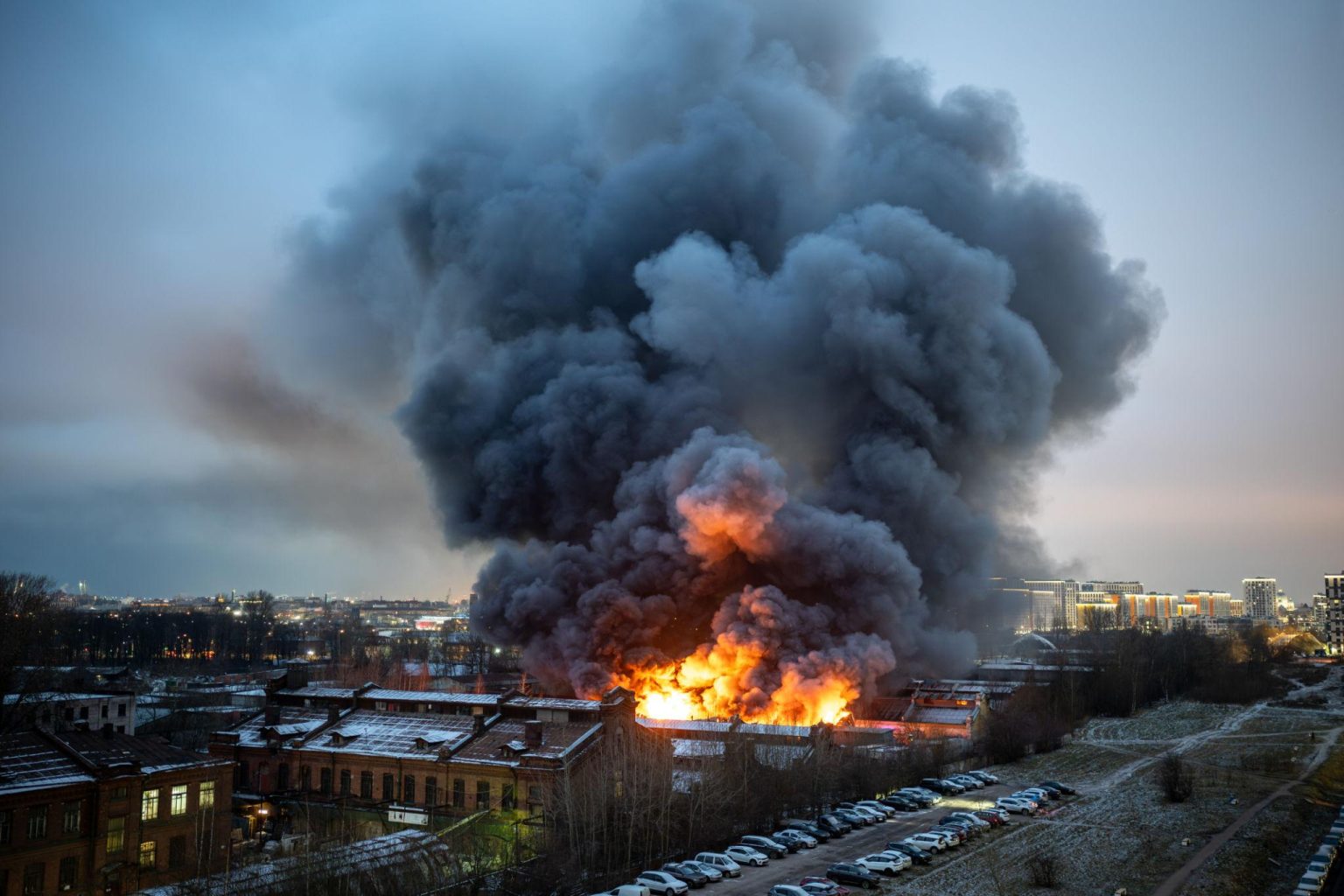
Kazan, Russia, April 14, 2026 — Brussels Morning Newspaper — Global military supply risk has intensified following reports of a fire at a major gunpowder plant in Kazan, a key industrial site tied to Russia’s defense manufacturing sector. Early reports indicate that emergency crews responded swiftly, but the incident has already sparked widespread concern about the stability of military production chains.
- What Triggered the Incident?
- Why Kazan Plant Matters Globally
- Industrial Safety Under Scrutiny
- Immediate Impact on Defense Production
- Emergency Response and Containment
- Investigation and Possible Causes
- Global Reaction and Strategic Concerns
- Historical Context of Similar Incidents
- Government Response and Public Transparency
- Broader Implications for Industrial Policy
- Global Supply Shock Alert
The fire, first reported by Interfax, underscores how vulnerable critical defense infrastructure can be in times of heightened geopolitical tension. While officials have not yet confirmed casualties or the full extent of damage, the implications of the event are being closely monitored worldwide.
“This is not just a localized industrial fire—it represents a broader global military supply risk that could ripple through defense systems,”
a defense analyst stated.
What Triggered the Incident?
The global military supply risk narrative gained traction as details emerged about the fire’s origin within the Kazan facility. The blaze reportedly began in a production area where volatile materials are processed, raising immediate concerns about potential explosions.
Authorities have launched an investigation, but early speculation points to possible equipment failure or operational mishandling. Gunpowder plants operate under extremely sensitive conditions, where even minor disruptions can escalate rapidly.
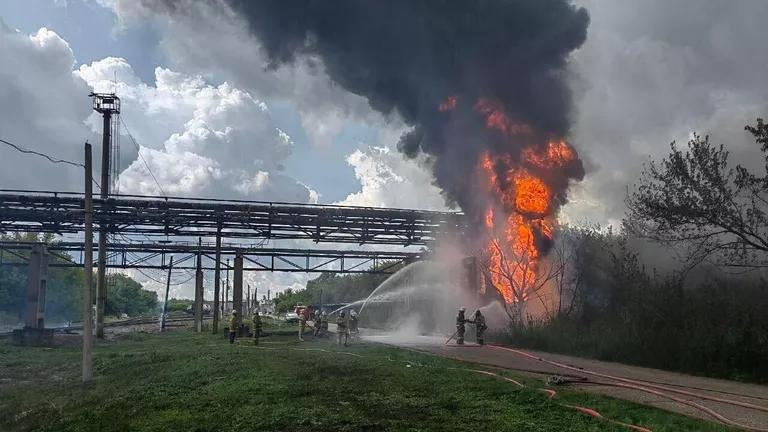
Fire crews worked under high-risk conditions to contain the flames, preventing them from spreading to storage zones that could have triggered a much larger catastrophe.
Why Kazan Plant Matters Globally
The global military supply risk linked to this incident is largely due to the strategic importance of the Kazan gunpowder plant. This facility is believed to play a critical role in producing propellants and explosive materials used in military systems.
Any disruption to such a facility—even temporarily—can create downstream effects across defense supply chains. Military operations depend on consistent access to these materials, and interruptions can lead to delays in production or deployment readiness.
Experts warn that in the current geopolitical climate, even a short-term disruption could have amplified consequences.
Industrial Safety Under Scrutiny
The fire has reignited debates about industrial safety standards, especially in facilities handling hazardous materials. The global military supply risk is not only about production capacity but also about how safely these operations are conducted.
Many experts argue that aging infrastructure and increasing production demands create a dangerous combination. While modernization efforts have been implemented in some areas, others may still rely on outdated systems.
“Safety cannot be compromised in high-risk environments. Incidents like this highlight systemic vulnerabilities,”
an industrial safety specialist explained.
The outcome of the investigation may lead to stricter regulations and enhanced safety protocols.
Immediate Impact on Defense Production
The global military supply risk is closely tied to potential disruptions in output. While authorities have not officially confirmed production halts, precautionary shutdowns are common following such incidents.
These shutdowns allow investigators to assess damage, ensure safety compliance, and prevent further accidents. However, they also reduce production capacity, even if only temporarily.
Defense analysts are closely monitoring whether this event will affect the availability of key materials used in weapons systems.
Emergency Response and Containment
Emergency teams responded rapidly to the fire, showcasing the importance of preparedness in high-risk facilities. The global military supply risk could have been significantly worse if containment measures had failed.
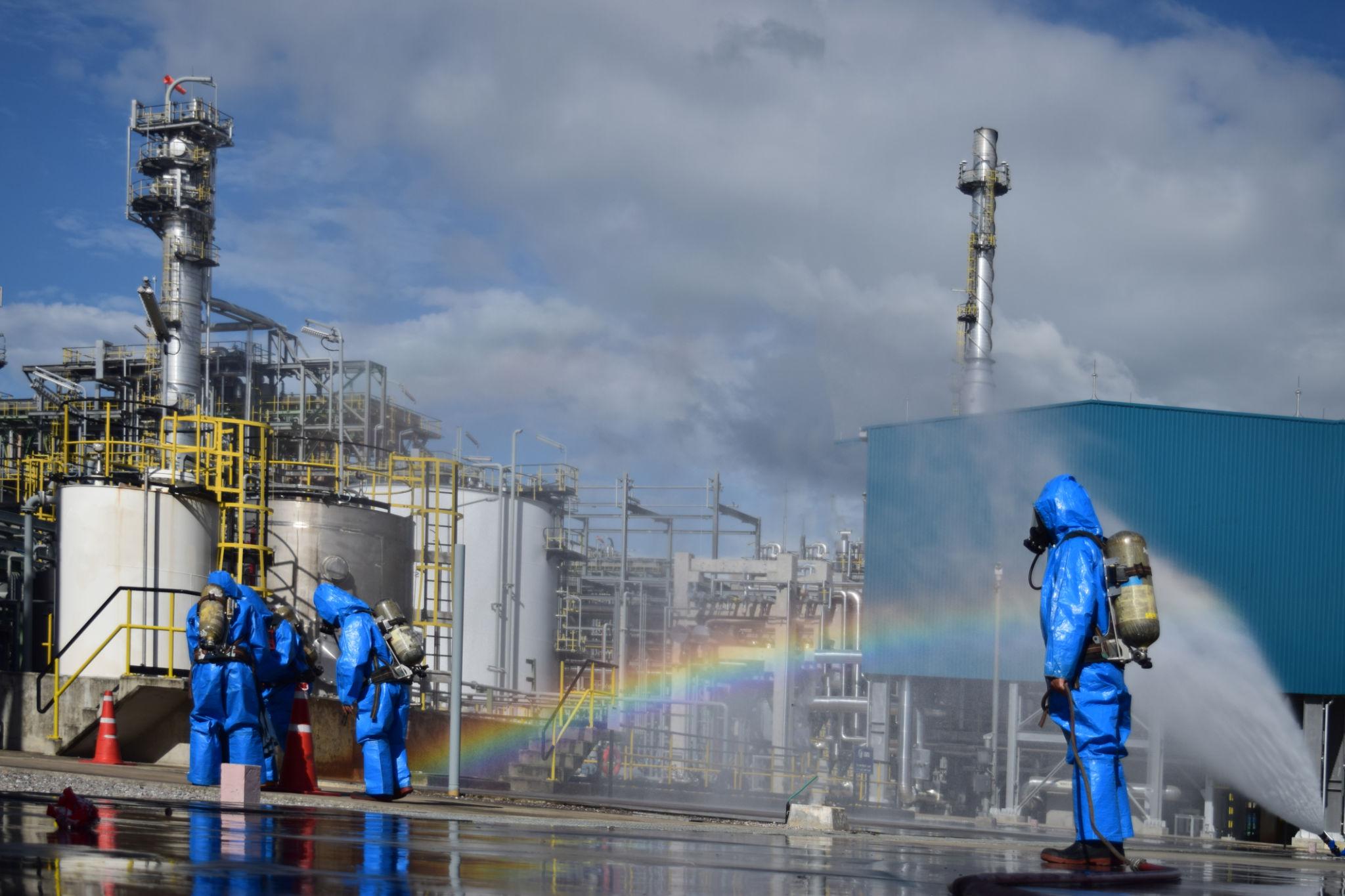
Specialized firefighting units trained to handle chemical and explosive hazards were deployed. Their primary objective was to isolate the affected area and prevent secondary explosions.
Initial reports suggest that these efforts were successful, though a full assessment will take time.
Investigation and Possible Causes
Authorities are conducting a thorough investigation into the cause of the fire. The global military supply risk narrative will depend heavily on the findings of this inquiry.
Potential causes being examined include:
- Equipment malfunction
- Human error
- Failure to follow safety protocols
- Environmental factors
The investigation will also assess whether the facility complied with current safety standards and maintenance requirements.
Global Reaction and Strategic Concerns
The global military supply risk has drawn attention from governments and defense organizations worldwide. Incidents involving strategic manufacturing facilities are closely watched, especially during periods of geopolitical tension.
While markets have not shown immediate volatility, analysts suggest that prolonged disruptions could influence defense sector dynamics. Countries dependent on stable supply chains may begin reassessing their own vulnerabilities.
This event serves as a reminder that industrial incidents can have far-reaching implications beyond national borders.
Historical Context of Similar Incidents
The global military supply risk highlighted by this fire is not unprecedented. Similar incidents have occurred in other countries, often leading to significant policy changes and safety improvements.
These events emphasize the inherent risks of handling explosive materials and the importance of continuous monitoring and modernization.
Despite technological advancements, experts agree that the risk can never be completely eliminated.
Government Response and Public Transparency
Russian authorities have so far released limited information about the incident. The global military supply risk discussion may intensify if transparency is not maintained.
Officials are expected to provide updates once the situation is fully under control and preliminary findings are available. Clear communication will be essential to address public concerns and prevent misinformation.
Broader Implications for Industrial Policy
The global military supply risk could influence future industrial policy decisions. Governments may prioritize investments in safer technologies and stricter oversight of critical facilities.
Automation, advanced monitoring systems, and improved training programs are likely to become focal points in reducing risk.
For Russia and other nations, this incident may serve as a catalyst for change in how defense manufacturing is managed.
Global Supply Shock Alert
The global military supply risk has escalated following a fire at the Kazan gunpowder plant, raising concerns about defense production stability and industrial safety. While the fire appears to have been contained, investigations are ongoing to determine the cause and full impact.
The incident highlights vulnerabilities in critical infrastructure and may lead to stricter safety measures and operational changes. As more details emerge, the global community remains alert to potential ripple effects.