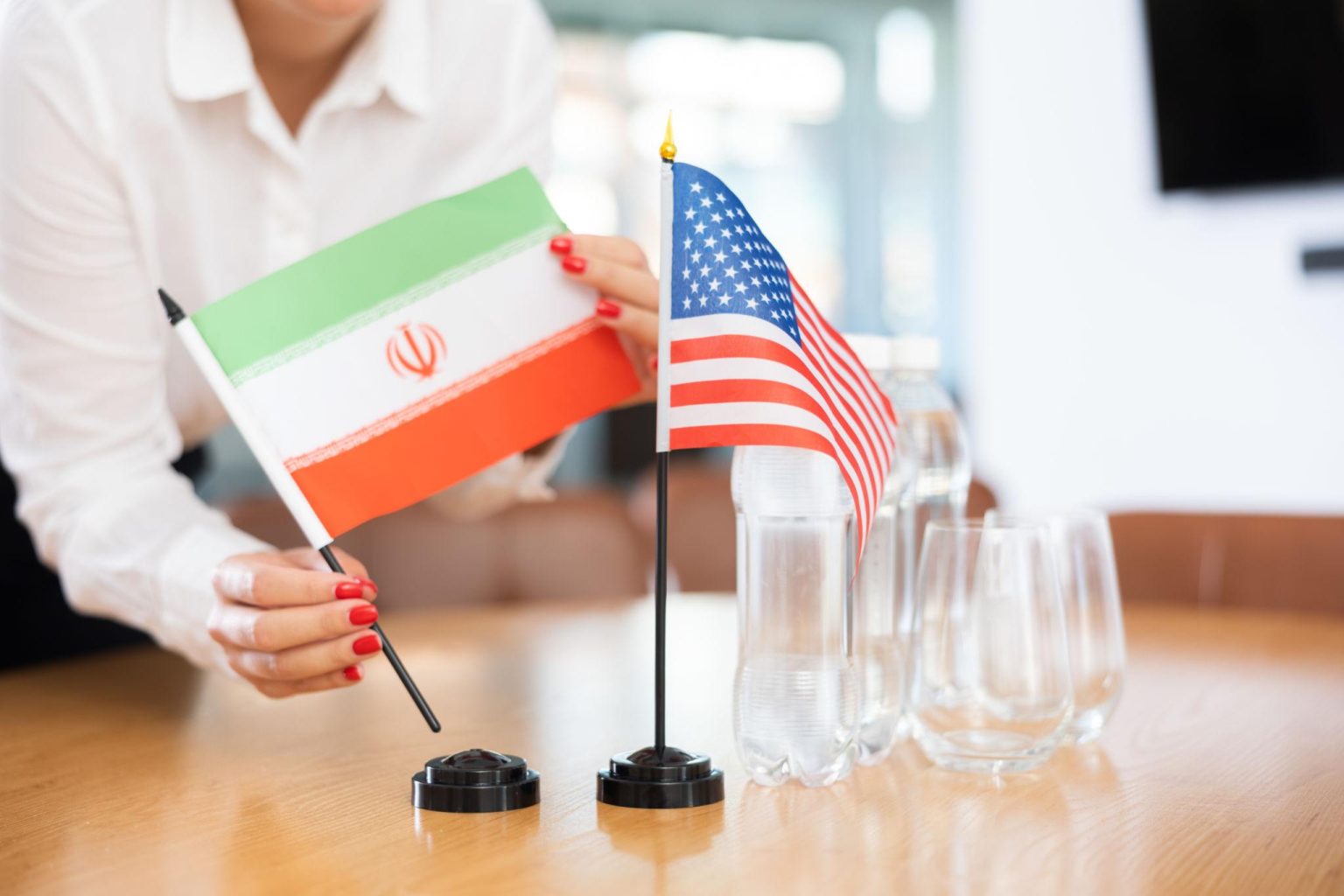
Tehran, Iran – April 18, 2026 — Brussels Morning Newspaper – US foreign policy Iran developments are entering a decisive moment in April 2026 as Iranian officials confirm they are reviewing new proposals from Washington while maintaining a firm stance against compromise. The latest updates highlight the complexity of negotiations, as both sides remain far apart on key issues shaping the future of regional stability.
- Tehran rejects pressure while reviewing proposals
- US proposals highlight key sticking points
- Talks continue amid rising geopolitical tension
- Regional implications remain significant
- Diplomatic challenges and trust deficit
- US foreign policy Iran reaches a critical stage
- Economic pressure shaping decisions
- What happens next?
- A high-stakes diplomatic standoff
Tehran’s response signals a cautious but calculated approach—open to dialogue, yet unwilling to accept conditions perceived as one-sided or restrictive.
Tehran rejects pressure while reviewing proposals
The current phase of US foreign policy Iran discussions reflects a clear pattern: engagement without concession. Iranian officials have emphasized that while proposals are being examined, there will be no deviation from core national priorities.
This stance aligns with recent statements from Iranian representatives who criticized what they described as “maximalist demands” from Washington, which they say continue to block meaningful progress in negotiations.
A senior official stated:
“Negotiations cannot succeed if they ignore our sovereignty and economic realities.”
US proposals highlight key sticking points
The US foreign policy Iran approach has centered on proposals involving nuclear restrictions, sanctions relief, and regional security assurances. One reported proposal includes allowing Iran access to billions in frozen funds in exchange for limiting its enriched uranium stockpile.
However, these proposals remain under review, and Iranian officials have not signaled acceptance. Key disagreements continue over timelines, enforcement mechanisms, and the scope of commitments expected from both sides.
Talks continue amid rising geopolitical tension
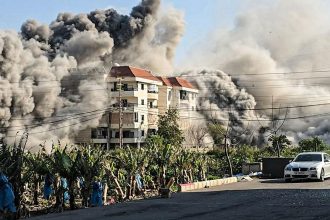
US foreign policy Iran discussions are taking place against a backdrop of heightened regional instability. Recent developments, including maritime tensions and military posturing in the Gulf, have added urgency to negotiations.
Iran has warned that continued pressure—such as naval blockades and sanctions—could further complicate talks and delay progress toward any agreement.
At the same time, U.S. leadership has expressed optimism about reaching a deal, even suggesting that progress could come quickly, though officials acknowledge that major obstacles remain.
Regional implications remain significant
The outcome of US foreign policy Iran negotiations carries major implications for the Middle East and global markets. The Strait of Hormuz, a critical global shipping route, has already been affected by tensions, with disruptions impacting oil supply and international trade.
Recent incidents involving shipping and military activity highlight how fragile the situation remains, even as diplomatic efforts continue.
Diplomatic challenges and trust deficit
One of the biggest barriers in US foreign policy Iran negotiations is the lack of trust between the two sides. Decades of conflict, sanctions, and political disagreements have created a difficult environment for reaching lasting agreements.
Experts point out that both sides are seeking guarantees—Washington wants compliance and verification, while Tehran demands economic relief and security assurances.
US foreign policy Iran reaches a critical stage
“Diplomacy without trust becomes negotiation without progress.”
Economic pressure shaping decisions
Economic factors remain central to US foreign policy Iran developments. Sanctions have significantly impacted Iran’s economy, making relief a top priority for its leadership.
Meanwhile, the U.S. must weigh the potential consequences of easing restrictions, including political and strategic considerations that extend beyond the immediate negotiations.
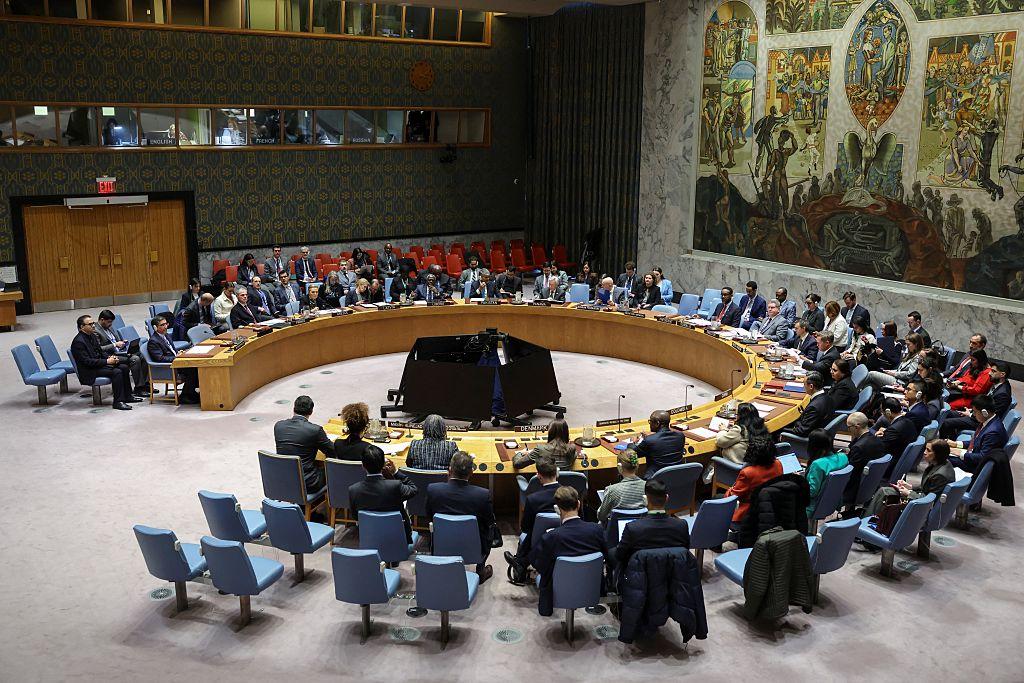
What happens next?
The coming days are expected to be pivotal for US foreign policy Iran negotiations. While both sides remain engaged, the absence of compromise suggests that a breakthrough may still be some distance away.
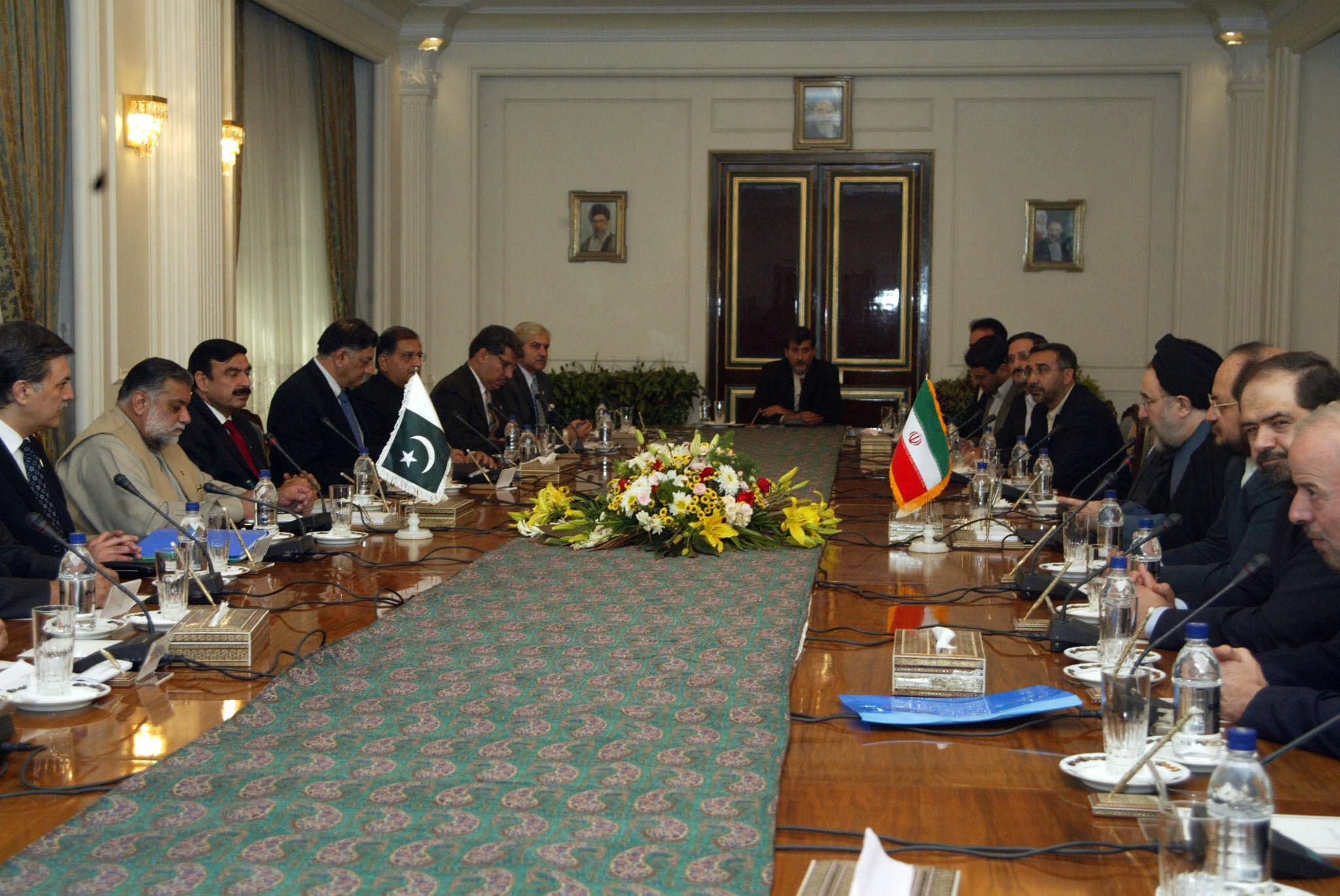
Diplomatic channels remain open, and mediators continue efforts to bridge gaps, but progress will depend on whether either side is willing to adjust its position.
A high-stakes diplomatic standoff
US foreign policy Iran developments in April 2026 reflect a high-stakes diplomatic standoff. While proposals are being reviewed and discussions continue, the refusal to compromise underscores the challenges of reaching an agreement.
The situation remains fluid, with outcomes dependent on sustained engagement and evolving geopolitical conditions. As negotiations continue, the focus will remain on whether diplomacy can overcome entrenched differences and deliver a path toward stability.