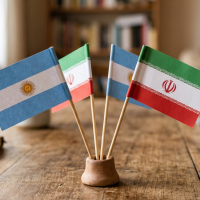
London, April 2, 2026 — Brussels Morning Newspaper — London is hosting a high-stakes virtual summit as the UK-led 40-nation coalition convenes to address the Iranian blockade of the Strait of Hormuz, through which 20 percent of the world’s oil and LNG passes. The meeting, chaired by UK Foreign Secretary Yvette Cooper, includes France, Germany, Italy, Canada, Australia, and the UAE, while the US has opted out. Prime Minister Keir Starmer emphasized that the 40-nation coalition will explore diplomatic, political, and military measures to restore safe navigation, protect trapped vessels, and stabilize global energy markets. Analysts see the coalition as a potential signal of European initiative and multilateral resolve.
UK Leads 40-Nation Coalition Talks on Strait of Hormuz
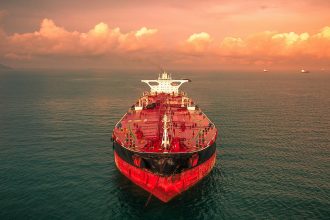
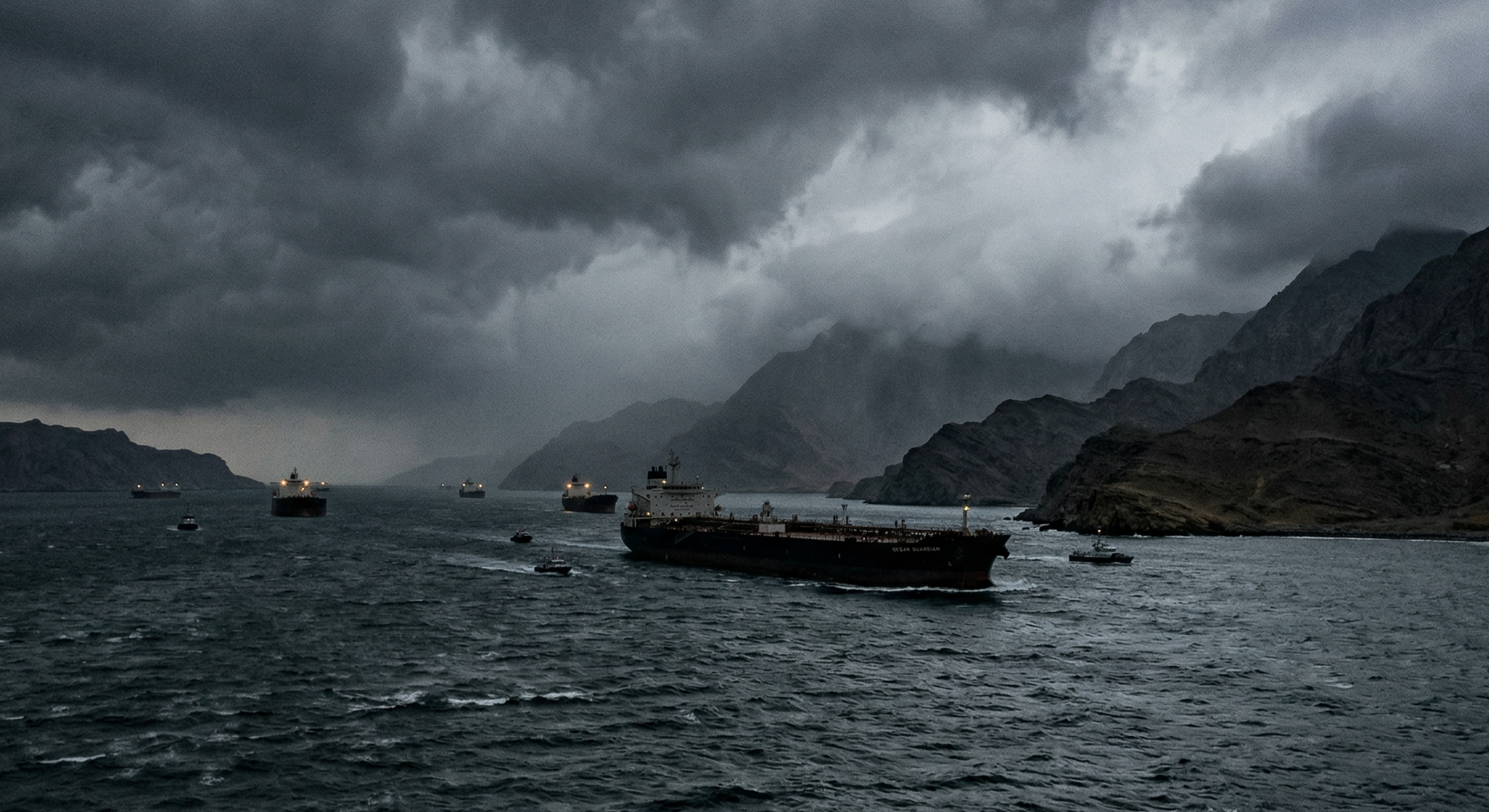
The United Kingdom is spearheading a virtual summit with a 40-nation coalition to explore strategies for reopening the Strait of Hormuz, a critical shipping lane through which 20 percent of global oil and liquefied natural gas flows. The UK-led 40-nation coalition convened after Iran effectively blocked the strait following strikes by the United States and Israel on Tehran. Starmer’s initiative is intended to safeguard maritime navigation and stabilize energy markets affected by soaring oil prices.
Prime Minister Keir Starmer said the coalition would examine
“all viable diplomatic and political measures to restore freedom of navigation, guarantee the safety of trapped ships and seafarers, and resume movement of vital commodities.”
The first virtual meeting, chaired by UK Foreign Secretary Yvette Cooper, included over 40 countries committed to securing the waterway.
Members of the Coalition
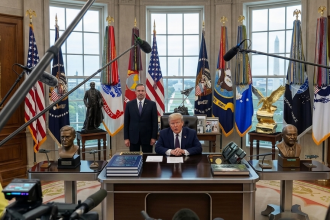
The coalition brings together France, Germany, Italy, the Netherlands, Canada, Australia, and the United Arab Emirates, among others. Initially, European nations had avoided involvement due to fears of escalation, but rising oil and gas prices prompted broader engagement. The United States, however, has opted out, with President Trump declaring that European allies must “go get your own oil.”
The 40-nation coalition is positioned to demonstrate collective commitment to energy security while signalling that countries will not yield to unilateral pressures. Analysts note that the coalition also sends a diplomatic message to Iran, emphasising coordinated international engagement rather than purely military action.
Agenda and Objectives of the Coalition
The 40-nation coalition aims to evaluate a range of measures to reopen the Strait of Hormuz. Discussions include potential diplomatic negotiations with Iran, safety protocols for vessels trapped in the strait, and military planning for post-conflict maritime security. One key objective is to remove landmines and ensure safe transit for commercial shipping.
Starmer highlighted the need for both immediate and long-term strategies. The coalition will assess how to deploy naval resources to protect shipping lanes once hostilities subside. These measures are intended to reassure global markets and provide a framework for safe passage in one of the world’s most critical chokepoints.
Strategic implications for Europe and global energy
Beyond immediate logistics, the UK-led 40-nation coalition could reshape the strategic balance in the Gulf, signaling Europe’s willingness to act independently on global energy security. For the United States, the move highlights growing pressure on allies to manage risks that Washington may increasingly avoid. If successful, the coalition could set a precedent for multilateral crisis management without direct US involvement, giving Europe and partner nations more leverage in negotiating with Tehran. Conversely, failure might embolden Iran to maintain restrictive measures, further destabilizing oil markets and prompting countries to seek alternative suppliers, potentially accelerating a realignment of energy partnerships across Asia and Europe.
Challenges Facing Coalition
Reopening the Strait of Hormuz is not straightforward. Iran currently allows passage to only a handful of vessels from countries it considers friendly, including India, Pakistan, Malaysia, and China. The Islamic Revolutionary Guard Corps has reportedly implemented a toll system to regulate ship traffic, underscoring Tehran’s insistence on authority over the strait.
Starmer acknowledged the difficulties, stating that reopening the strait “will not be easy.” The 40-nation coalition faces both geopolitical and operational challenges, balancing the need for maritime security with the risk of escalating tensions in the Gulf region. Analysts caution that without Iranian cooperation, any attempt to force access could provoke further instability.
Diplomatic Significance
Experts say the 40-nation coalition serves a dual diplomatic purpose: signaling commitment to global energy security and demonstrating multilateral coordination beyond the US. Christopher Featherstone of the University of York said, “Starmer is clearly trying to show that European allies can take initiative while maintaining ties with the US.”
The coalition also underscores international willingness to engage diplomatically with Iran to secure commercial passage. By involving more nations, the UK-led effort seeks to strengthen collective leverage without immediate military intervention. This approach could set a precedent for how multilateral coalitions respond to future crises in strategically important maritime zones.
Economic Impact and Energy Security
The Iran blockade of the Strait of Hormuz has caused global oil prices to spike above $100 per barrel, forcing countries to ration fuel and reduce industrial activity. Malaysia, for instance, has required civil servants to work from home to conserve energy. The 40-nation coalition is therefore critical not only for maritime security but also for stabilizing international energy markets.
Coalition members hope to reassure trading partners that global oil and LNG supplies can resume safely. By providing a coordinated response, the 40-nation coalition aims to mitigate further disruptions that could have lasting consequences for the global economy.
Potential Military Role
While diplomatic efforts are central, the 40-nation coalition is also examining military options. Naval deployments may be required to secure shipping lanes and clear mines after hostilities end. However, reluctance among some countries to commit forces underscores the complexity of operational planning.
Ian Lesser from the German Marshall Fund highlighted that the coalition could provide security for commercial passage post-conflict but stressed that active reopening without coordination with Iran would be risky. He noted that successful military involvement would likely require collaboration with the US, even if Washington is not formally part of the coalition.
Future Prospects and International Watch
The 40-nation coalition represents a major international effort to address one of the world’s most strategically sensitive waterways. Although challenges remain, the talks signal a willingness to act collectively in response to Iran’s blockade.
Observers will be closely monitoring whether the coalition can achieve tangible results. Energy markets, shipping companies, and governments alike are hoping that Starmer’s initiative will lead to safer maritime operations and the restoration of vital trade routes through the Strait of Hormuz.