US Strikes B1 Bridge to Pressure Iran
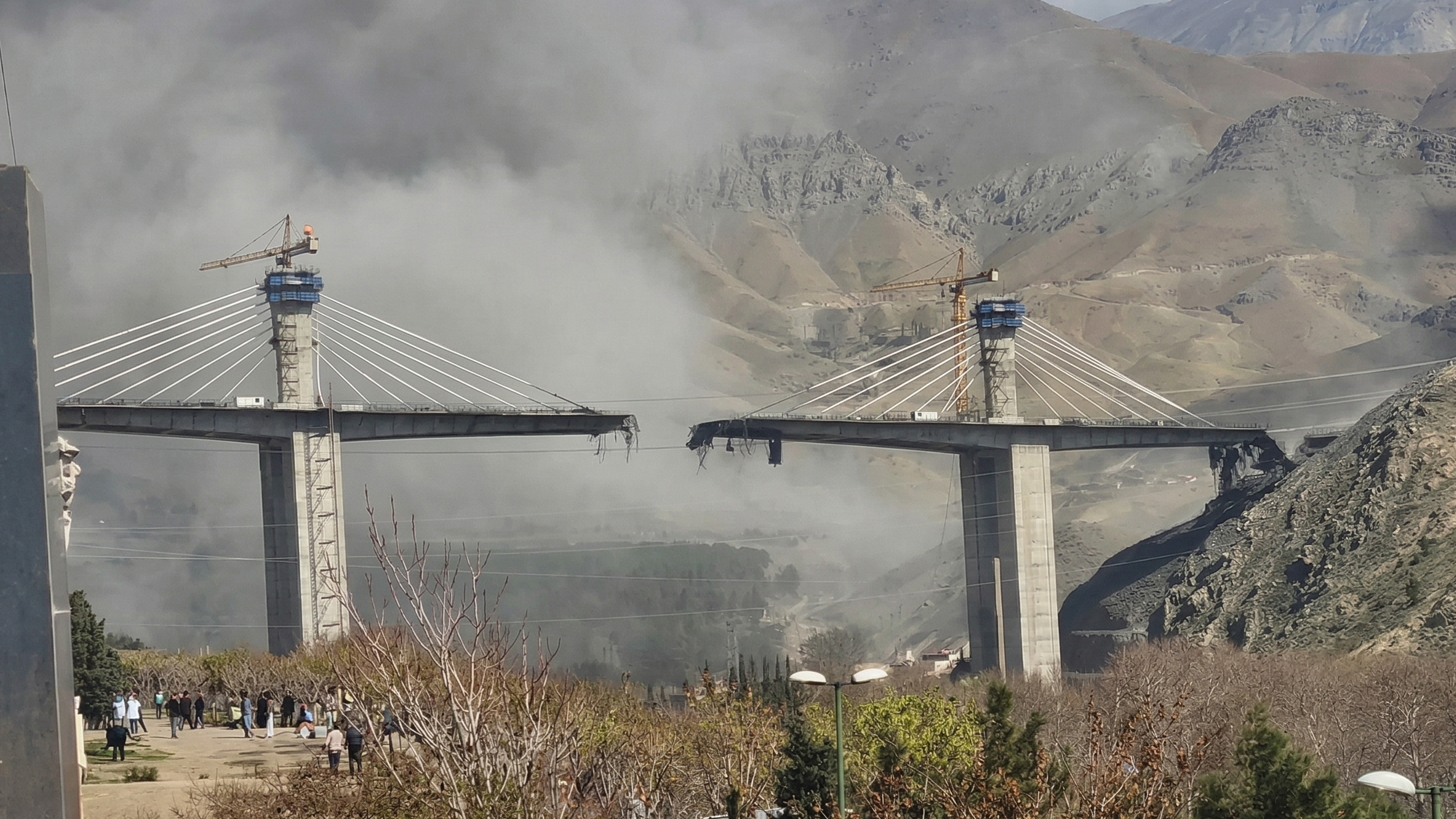
The United States launched a precision strike on the B1 Bridge connecting Tehran to Karaj, in a high-stakes move aimed at pressuring Iran into agreeing to a peace deal. President Donald Trump highlighted the attack on social media, posting footage of the destroyed bridge and warning that further actions would follow unless Iran responded favorably. The strike is part of Operation Epic Fury, a U.S.-Israeli joint effort targeting key strategic infrastructure in the country.
Trump emphasized the urgency, stating,
“The biggest bridge in Iran comes tumbling down, never to be used again — Much more to follow! It is time for Iran to make a deal before it is too late.”
Analysts say the strike reflects the administration’s strategy to use calculated military pressure to push Tehran toward a peace deal while avoiding large-scale civilian casualties.
Strategic Significance of the B1 Bridge Strike
The B1 Bridge, near Karaj, was a critical transportation and infrastructure project scheduled for inauguration. Iranian state media reported that the bridge was hit in a “double tap” strike, with a second attack occurring roughly an hour after the first as emergency teams attempted to respond. Early reports indicate at least two civilian fatalities and multiple injuries.
Experts suggest the strike demonstrates the United States’ preference for targeting strategic infrastructure over mass civilian areas. By focusing on a critical transit route, the U.S. aims to maximize pressure on Iran’s leadership and emphasize the urgency of a peace deal.
Trump Issues Stark Ultimatum
The B1 Bridge strike was accompanied by a sharp ultimatum. President Trump demanded that Iran reopen the Strait of Hormuz and accept the proposed peace deal immediately or face additional strikes against energy and power facilities. The president warned that continued refusal would risk further destruction of vital infrastructure.
Trump’s messaging is designed to exert maximum diplomatic leverage while maintaining room for negotiation. The goal is to push Iran into accepting a peace deal without escalating to full-scale destruction, though analysts caution that the intensity of the attacks could provoke a strong retaliatory response.
Regional and Global Consequences of the Iran Strikes
The escalating strikes on Iran, including the high-profile B1 Bridge attack, signal a profound shift in U.S. strategy with significant implications for Europe and global markets. European nations, heavily reliant on oil transiting the Strait of Hormuz, now face increased pressure to coordinate both diplomatic and energy responses to avoid shortages and economic shockwaves. For Washington, the strike underscores a willingness to leverage infrastructure as a negotiating tool, setting a precedent for future conflicts where critical civilian-linked targets become part of coercive diplomacy. If Tehran resists, the region risks a prolonged confrontation that could destabilize neighboring countries and force Europe and Asia to take more direct roles in mediation or defense.
Global Reactions and Economic Consequences
Internationally, the strike sparked immediate concern over stability and economic disruption. Oil prices surged past $110 per barrel following the partial blockade of the Strait of Hormuz. European and Asian allies were urged to engage diplomatically, though some have expressed concern that escalating strikes could deepen regional instability.
The focus on a peace deal is being closely watched by markets and policymakers alike. Analysts warn that any further military escalation could increase tensions across the Middle East, potentially impacting global oil supply and shipping security.
Iran’s Response and Leadership Challenges
Following the destruction of the B1 Bridge, Iranian officials condemned the strike as an aggressive act and vowed to continue defending the country. The new Supreme Leader, Mojtaba Khamenei, has taken a hardline stance, signaling continuity from the previous leadership. Despite this, the pressure from targeted strikes and the threat of wider infrastructure attacks could compel Iran to reconsider negotiations.
Diplomats emphasize that reaching a peace deal under intense military pressure carries risks, but it may be the only immediate path to halting the escalation and reopening critical transit routes. Analysts believe the B1 Bridge strike could serve as a decisive moment for Tehran in evaluating the consequences of continued resistance versus accepting a peace deal.
Civilian Impact and Humanitarian Concerns
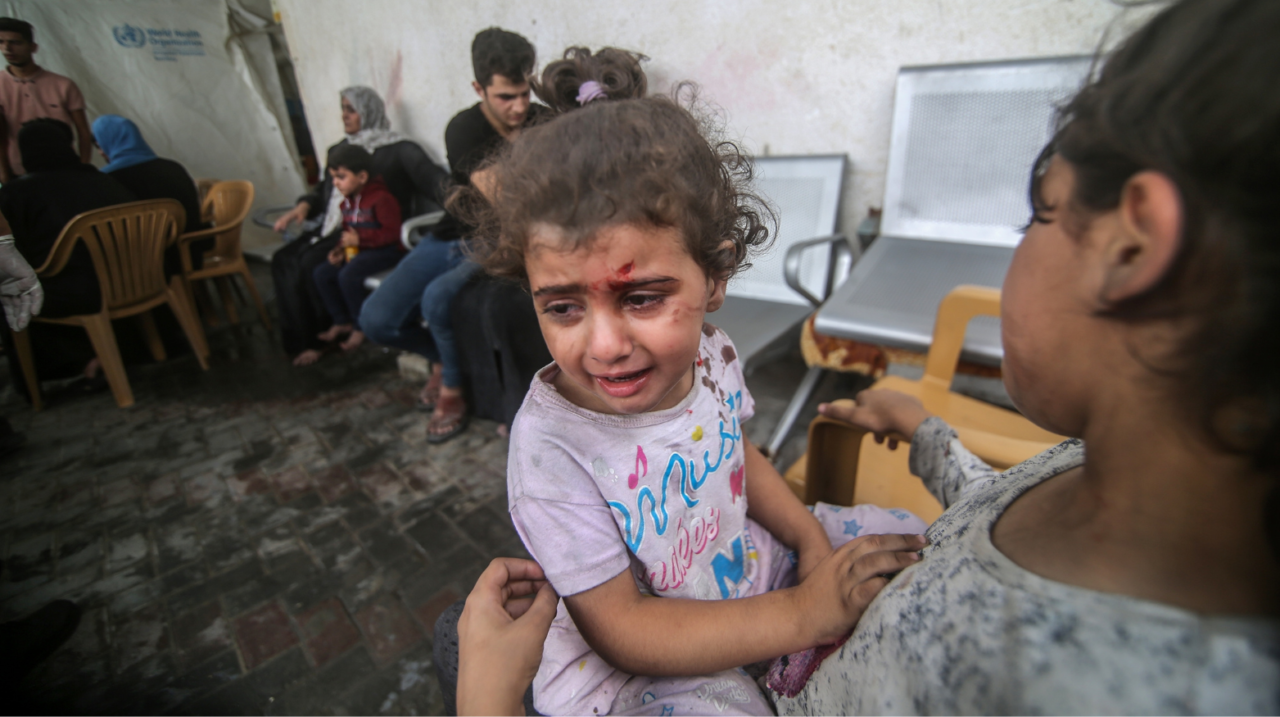
The B1 Bridge strike raised questions about civilian safety. Local authorities reported that rescue efforts were complicated by the second strike, delaying aid to victims. While the United States has largely avoided direct civilian targets, the loss of life underscores the humanitarian cost of strategic military operations.
Human rights organizations are calling for urgent measures to protect civilians and ensure that any peace deal includes mechanisms to prevent further casualties. The strike highlights the delicate balance between achieving military objectives and maintaining humanitarian standards.
Uncertain Future of the Escalating War
The United States’ strike on the B1 Bridge near Karaj illustrates a strategy centered on forcing Iran toward a peace deal. While risks remain, including potential retaliation and civilian impact, the administration maintains that the combination of precision strikes and diplomatic pressure is designed to prevent further bloodshed while securing compliance.
For now, the international community watches closely as Tehran weighs its options. The outcome of these negotiations could determine whether a peace deal is reached or whether the Middle East faces further escalation. The focus remains on achieving a swift resolution, with the hope that Iran will respond constructively to avoid additional destruction.