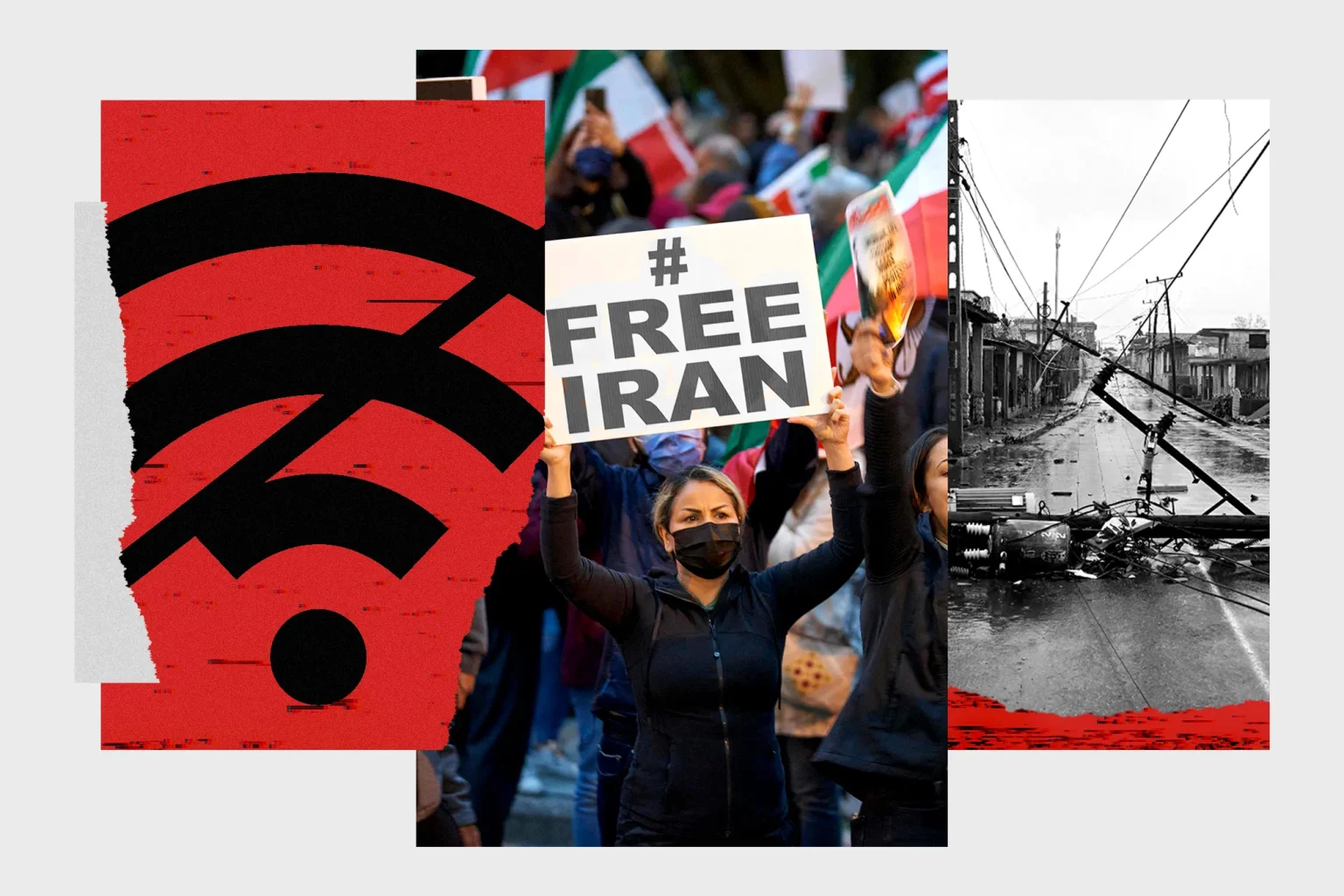
Tehran, Iran — March 29, 2026 — Brussels Morning Newspaper — The Iran internet shutdown has entered a prolonged and critical phase, leaving millions across Tehran and other major cities without access to global communication platforms. The disruption has intensified concerns about digital isolation as the country navigates heightened geopolitical tensions.
The ongoing Iran internet shutdown is reshaping daily life across the nation. From personal communication to essential services, the blackout has created a challenging environment where access to reliable information is limited and uncertainty continues to grow.
A Nation Cut Off From Global Communication
The scale of the Iran internet shutdown now extends far beyond temporary restrictions, evolving into a widespread communication blackout affecting both urban and rural areas. Authorities have limited access to global internet infrastructure while maintaining controlled domestic networks.
Residents affected by the Iran internet shutdown report that major communication tools have become inaccessible. Messaging platforms, social media applications, and international websites are either blocked or functioning intermittently. This has resulted in a fragmented flow of information, where individuals rely heavily on word-of-mouth updates and limited local broadcasts.
The communication breakdown has impacted families, particularly those with relatives abroad. Many are unable to confirm the safety of loved ones, increasing anxiety and emotional distress.
Economic Pressure Mounts Across Key Sectors
The Iran internet shutdown is also creating a measurable impact on the country’s economic activity. Businesses that depend on digital tools for operations are facing serious challenges, forcing many to adopt slower and less efficient alternatives.
Retailers, logistics providers, and service industries have reported a noticeable decline in productivity. Online transactions have slowed significantly, and businesses that once relied on digital marketing and communication channels are struggling to maintain customer engagement.
Freelancers and remote workers are among the hardest hit. Without access to international platforms, many have temporarily lost their income streams. The prolonged Iran internet shutdown is expected to have lasting consequences on economic stability if conditions persist.

Healthcare Systems Facing Operational Limitations
Healthcare providers are adapting to new challenges as the Iran internet shutdown disrupts critical communication channels. Hospitals and clinics rely heavily on digital systems for managing patient information, coordinating care, and responding to emergencies.
The current situation has forced many healthcare facilities to revert to manual processes. While these measures allow operations to continue, they introduce delays and increase the risk of errors.
Medical professionals have raised concerns about the long-term impact of the Iran internet shutdown, particularly in emergency scenarios where rapid communication is essential. The inability to share real-time information between facilities could hinder effective treatment.
Education Interrupted for Millions of Students
Students across Iran are experiencing significant disruption as the Iran internet shutdown limits access to educational resources. Online learning platforms, research databases, and communication tools between students and teachers have become largely inaccessible.
Educational institutions are attempting to continue lessons through offline methods, but these solutions are not fully effective. The lack of digital access has created gaps in learning and raised concerns about academic progress.
For students preparing for exams or pursuing higher education opportunities, the Iran internet shutdown presents additional uncertainty. The situation highlights the growing reliance on digital infrastructure in modern education systems.
Government Justification and Public Debate
Authorities have defended the Iran internet shutdown as a necessary measure to maintain national security and prevent the spread of misinformation during a period of instability. Officials argue that controlling digital communication helps stabilize the situation and protect critical infrastructure.
However, the extent of the restrictions has sparked debate among analysts and observers. Some argue that the Iran internet shutdown limits access to essential information and raises concerns about transparency.
A regional policy expert stated:
“Digital restrictions may provide short-term control, but they often come at the cost of public trust and long-term stability.”
International Attention and Diplomatic Concerns
The Iran internet shutdown has drawn significant attention from the international community. Governments and organizations are closely monitoring developments, emphasizing the importance of maintaining access to communication during times of crisis.
Concerns have been raised about the humanitarian implications of prolonged digital isolation. Access to information, communication, and online services is increasingly viewed as essential in modern society.
Diplomatic discussions are expected to address the broader implications of the Iran internet shutdown, particularly as similar measures have been observed in other regions facing conflict.
Psychological Effects of Isolation and Uncertainty
Beyond practical challenges, the Iran internet shutdown is having a profound impact on mental health. Individuals report increased stress and anxiety due to the lack of reliable information and communication.
The inability to connect with friends and family, combined with uncertainty about ongoing events, has created a sense of isolation. Communities are adapting as best they can, but the emotional toll continues to grow.
A resident in Tehran described the situation:
“We feel disconnected from reality, as if the outside world has been cut off completely.”
History of Internet Restrictions in Iran
The current Iran internet shutdown is not the first instance of digital restrictions in the country, but it is among the most extensive. In previous years, internet limitations were typically short-lived and focused on specific regions or events.
Historically, restrictions were implemented during periods of unrest or political tension, often lasting only a few days. However, the present Iran internet shutdown has extended over a much longer period, affecting a broader portion of the population.
This shift reflects a change in how digital infrastructure is managed during times of conflict, with more comprehensive measures being applied.
Digital Control as a Strategy in Modern Conflict
The Iran internet shutdown highlights the growing role of digital infrastructure in geopolitical strategy. Controlling access to information has become an important tool for governments during periods of instability.
Experts suggest that the Iran internet shutdown may influence how other nations approach digital communication in future conflicts. The ability to regulate information flow can impact public perception and internal stability.
This development underscores the importance of balancing security concerns with the need for open communication in an increasingly connected world.
Uncertain Path Forward for Connectivity
The duration of the Iran internet shutdown remains unclear. Analysts believe that any restoration of services will depend on evolving security conditions and policy decisions.
Possible outcomes include gradual restoration, continued restrictions, or partial access under controlled conditions. Each scenario presents its own challenges and implications for the population.
As the situation evolves, the Iran internet shutdown continues to shape both the national and international conversation about digital access and governance.
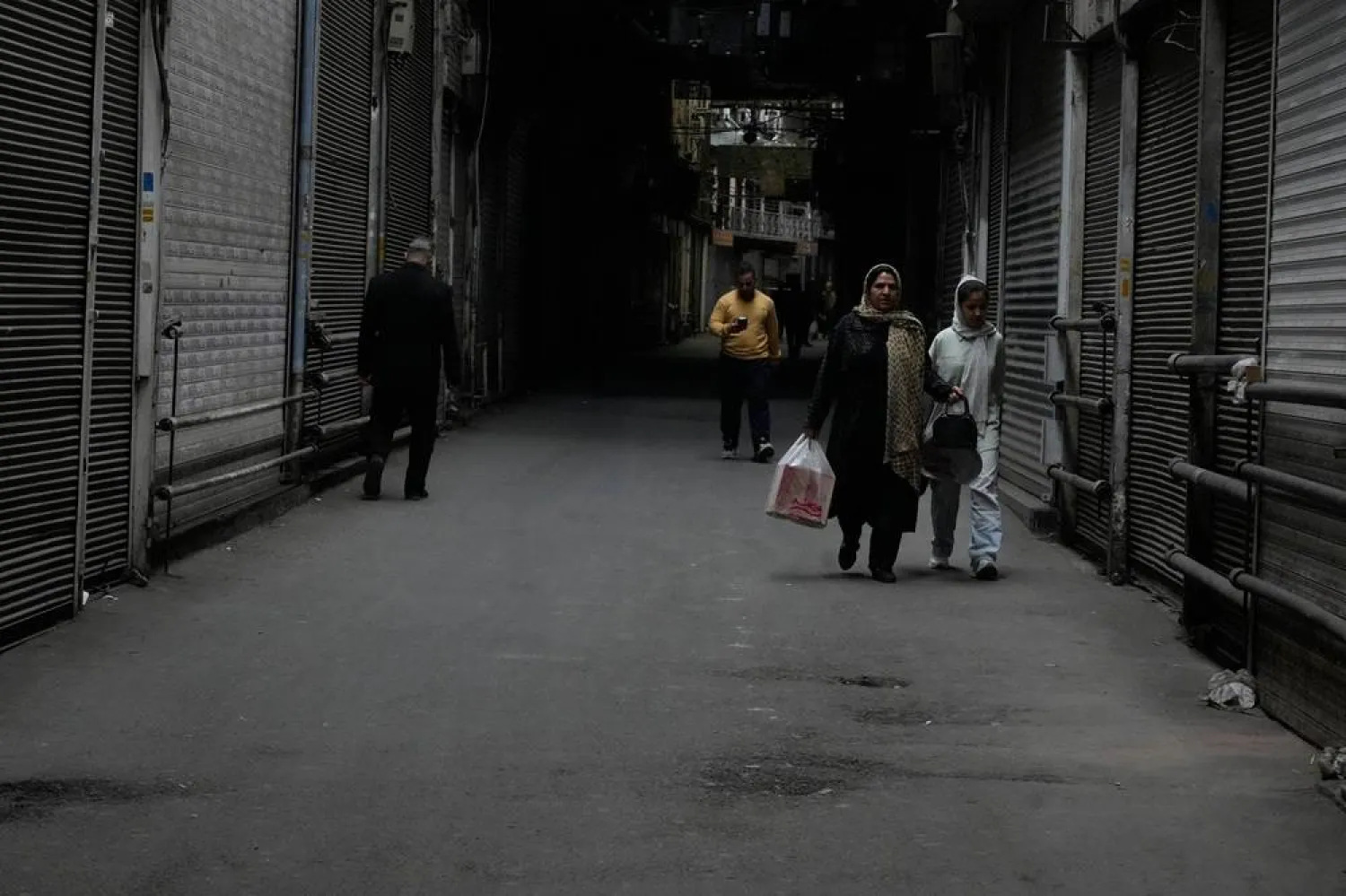
When a Nation Goes Silent in a Connected World
The ongoing crisis demonstrates how essential internet access has become in modern society. The Iran internet shutdown is more than a technical disruption; it represents a significant moment in the intersection of technology, governance, and conflict.
Another observer noted:
“In today’s world, silence is not just the absence of sound. It is the absence of connection, opportunity, and understanding.”
What You Need to Know Now
- Iran internet shutdown isolates millions across Tehran in 2026
- Communication, healthcare, and education systems face disruption
- Economic activity slows as digital tools become inaccessible
- Global concern grows over digital restrictions and access to information