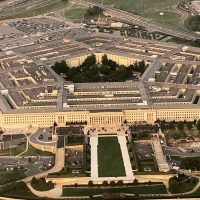

Washington / Global Markets, March 26, 2026 (Brussels Morning Newspaper) Global energy crisis alert intensified dramatically as oil prices surged by nearly 5 percent following reports of behind-the-scenes negotiations tied to escalating tensions between the United States and Iran. The sudden market reaction coincided with the resignation of a top counterterrorism official, raising serious concerns about the direction of U.S. foreign policy and its global economic consequences.
The convergence of geopolitical uncertainty and energy market volatility has placed global leaders, investors, and consumers on high alert, with many warning that the situation could evolve into a broader crisis affecting both security and economic stability.
Shock Resignation Signals Policy Fractures
The unexpected resignation of a senior counterterrorism official has become a defining moment in the unfolding crisis. According to sources familiar with the decision, the official stepped down in protest over the current trajectory of U.S. engagement with Iran, particularly amid rising military pressure and fragile diplomatic efforts.
Insiders suggest that the resignation reflects growing unease within national security circles about the potential consequences of escalation. The official reportedly expressed concerns that current strategies could destabilize not only the Middle East but also global markets already sensitive to geopolitical risk.
A senior policy observer noted:
“This resignation is more than symbolic—it’s a clear signal that internal confidence in the current approach is eroding at a critical moment.”
The development has fueled speculation about divisions within the administration and raised questions about the sustainability of current policy decisions.
Oil Prices React to Rising Tensions
Energy markets responded swiftly to the unfolding developments. Oil prices surged by approximately 5 percent, reflecting heightened fears of supply disruptions and broader instability in the region.
Analysts point to several factors driving the surge, including:
- Increased military activity near key shipping routes
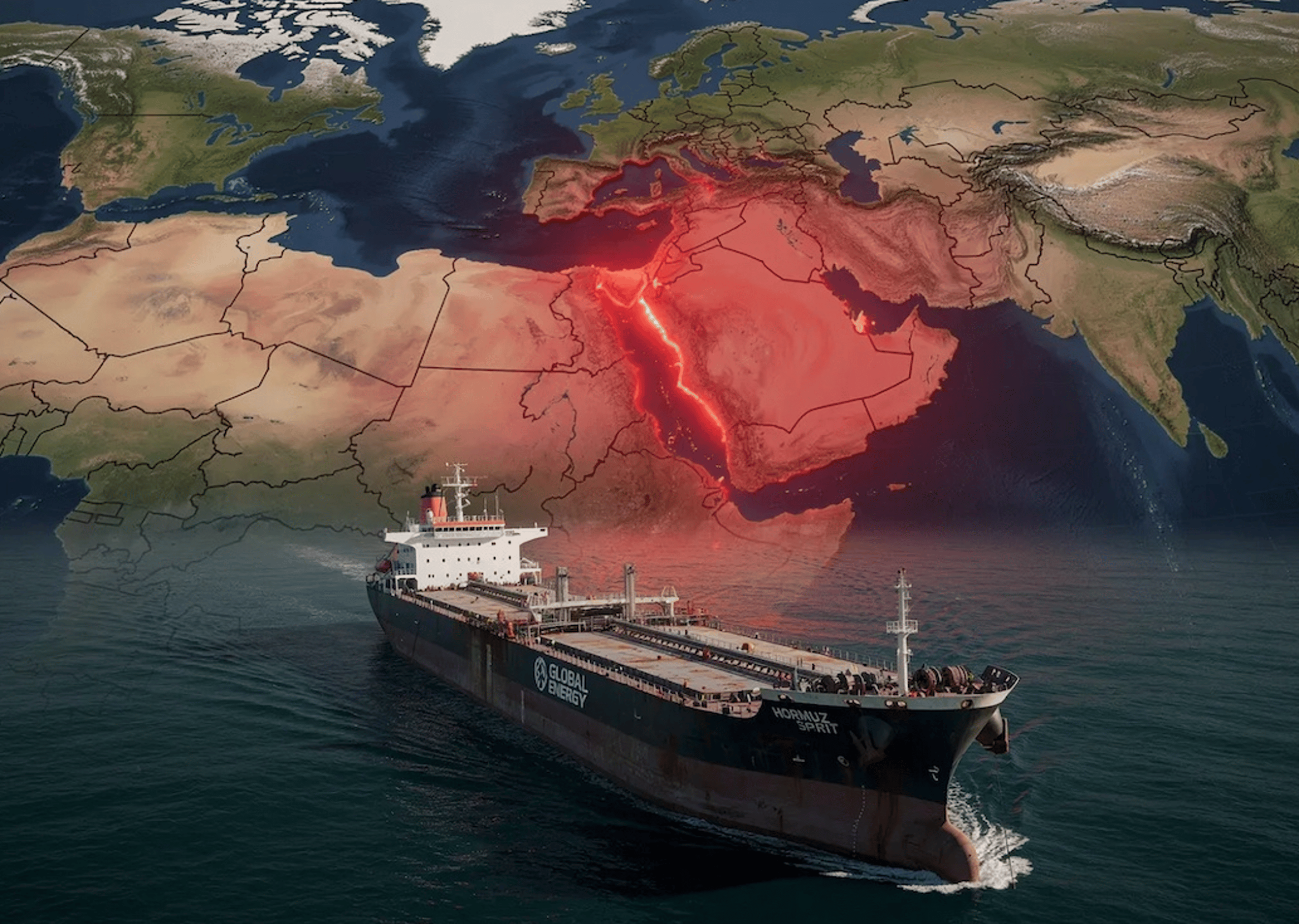
- Concerns over potential disruptions in the Strait of Hormuz
- Uncertainty surrounding ongoing negotiations
- Growing perception of a prolonged geopolitical standoff
The global energy crisis alert narrative has quickly gained traction, as investors react to the possibility of reduced oil supply or increased transportation risks.
Market experts warn that even minor disruptions in the region could have outsized effects on global energy prices, given the strategic importance of Middle Eastern oil production.
Negotiations Add Complexity to Crisis
Reports of ongoing negotiations between key stakeholders have introduced a layer of complexity to the situation. While diplomacy is often viewed as a stabilizing force, in this case, it appears to be contributing to uncertainty.
Conflicting signals—ranging from diplomatic outreach to military readiness—have left markets and observers struggling to interpret the true direction of events.
A geopolitical strategist explained:
“Negotiations in this context are not necessarily calming markets. Instead, they highlight just how close the situation may be to escalation.”
The global energy crisis alert continues to dominate headlines as stakeholders attempt to balance diplomacy with strategic positioning.
Global Impact: Beyond the Middle East
The implications of rising oil prices extend far beyond the immediate region. Higher energy costs can ripple through global economies, affecting transportation, manufacturing, and consumer prices.
Countries heavily dependent on oil imports are particularly vulnerable, as sudden price increases can strain budgets and slow economic growth.
At the same time, energy-exporting nations may benefit in the short term, though prolonged instability could offset these gains.
The global energy crisis alert underscores the interconnected nature of modern economies, where regional tensions can quickly translate into worldwide financial consequences.
Strategic Risks and Market Volatility
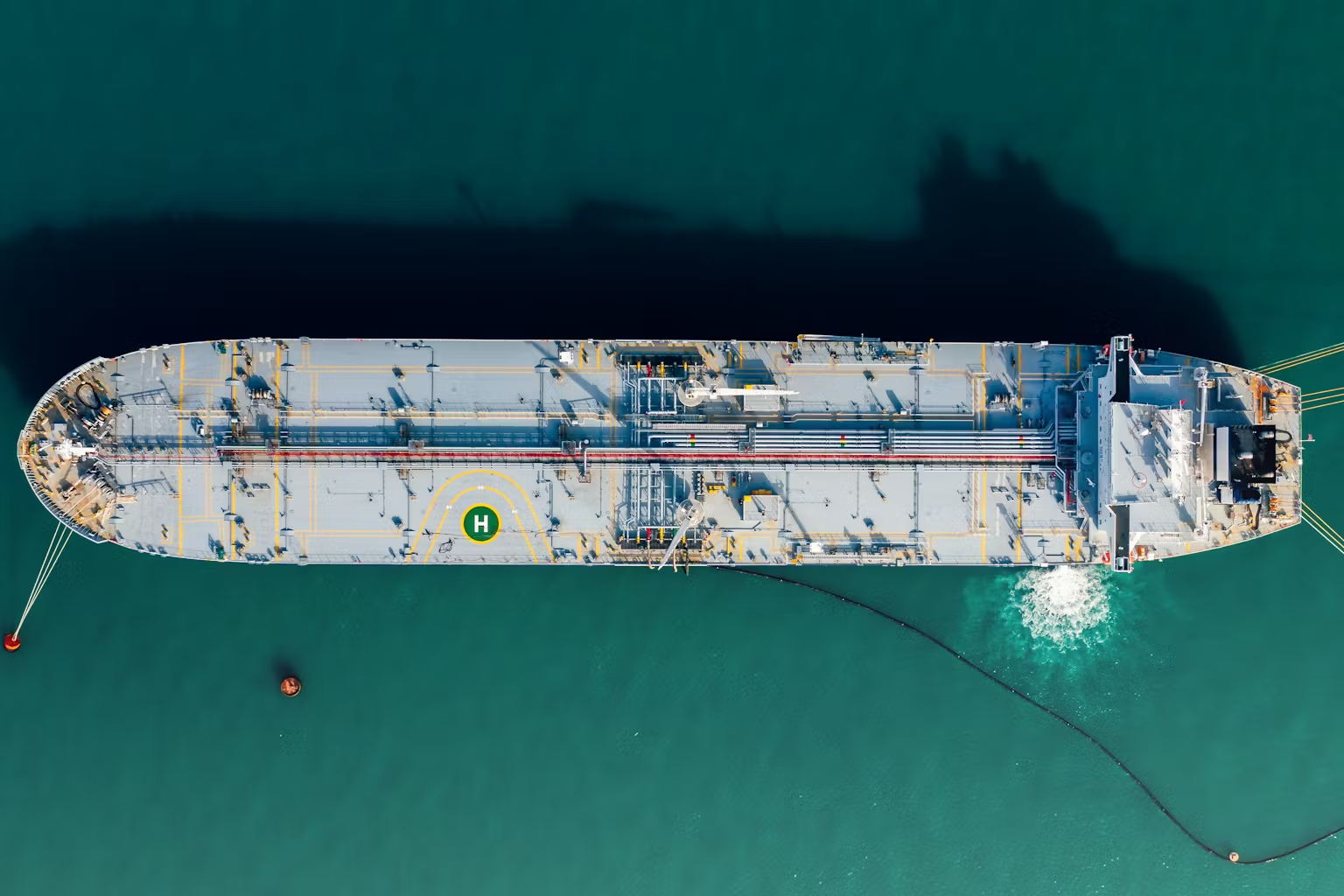
The current situation highlights the delicate balance between geopolitical strategy and economic stability. As tensions rise, markets become increasingly sensitive to even minor developments.
Volatility has become the defining characteristic of the current environment, with traders closely monitoring every update related to U.S.-Iran relations and regional security dynamics.
Financial analysts warn that continued uncertainty could lead to sustained price fluctuations, making it difficult for businesses and consumers to plan effectively.
Historical Perspective: Energy and Conflict
History has shown that conflicts in the Middle East often have significant impacts on global energy markets. From past oil shocks to more recent disruptions, the relationship between geopolitics and energy prices remains a critical factor in global stability.
The current global energy crisis alert reflects a familiar pattern, but with new complexities driven by modern economic interdependence and evolving geopolitical alliances.
Public and Political Reactions
The resignation and subsequent market movements have sparked intense debate among policymakers and the public. Some argue that strong measures are necessary to address security threats, while others caution against actions that could trigger wider conflict.
Calls for transparency and strategic clarity are growing louder, as stakeholders seek to understand the long-term implications of current decisions.
Public sentiment appears increasingly concerned about the potential economic fallout, particularly as energy costs directly impact everyday life.
What Comes Next?
The immediate outlook remains uncertain as the global energy crisis alert continues to evolve. Key questions revolve around whether negotiations will lead to de-escalation or if tensions will continue to rise.
International organizations and allied nations are closely monitoring developments, urging restraint while preparing for potential scenarios that could impact global stability.
The coming days and weeks will likely determine whether the current situation stabilizes or escalates into a more significant crisis.
A Critical Moment for Global Stability
Why This Matters
The combination of a high-level resignation, rising oil prices, and ongoing geopolitical tensions signals a critical turning point with far-reaching implications.
Key Takeaways
- Oil prices surged 5% amid geopolitical uncertainty
- A top counterterrorism official resigned in protest
- US-Iran tensions remain a central risk factor
- Negotiations are adding complexity, not clarity
- Global economies face potential ripple effects
Final Insight
The global energy crisis alert is not just about rising oil prices—it reflects a broader shift in global stability where political decisions and economic outcomes are increasingly intertwined.