
Tehran, Iran — March 5, 2026 — Brussels Morning Newspaper — Explosions in Tehran shook several districts of the Iranian capital late Tuesday night, creating alarm across the city and raising global concerns about escalating military tensions in the Middle East. Residents reported hearing multiple loud blasts followed by flashes in the sky and the activation of air defense systems.
• Loud blasts heard across several districts of Tehran
• Air defense systems activated across parts of the capital
• Global leaders closely monitoring developments
The developments quickly drew international attention as governments and security analysts began evaluating the potential implications for regional stability.
Sudden Nighttime Blasts Across Tehran
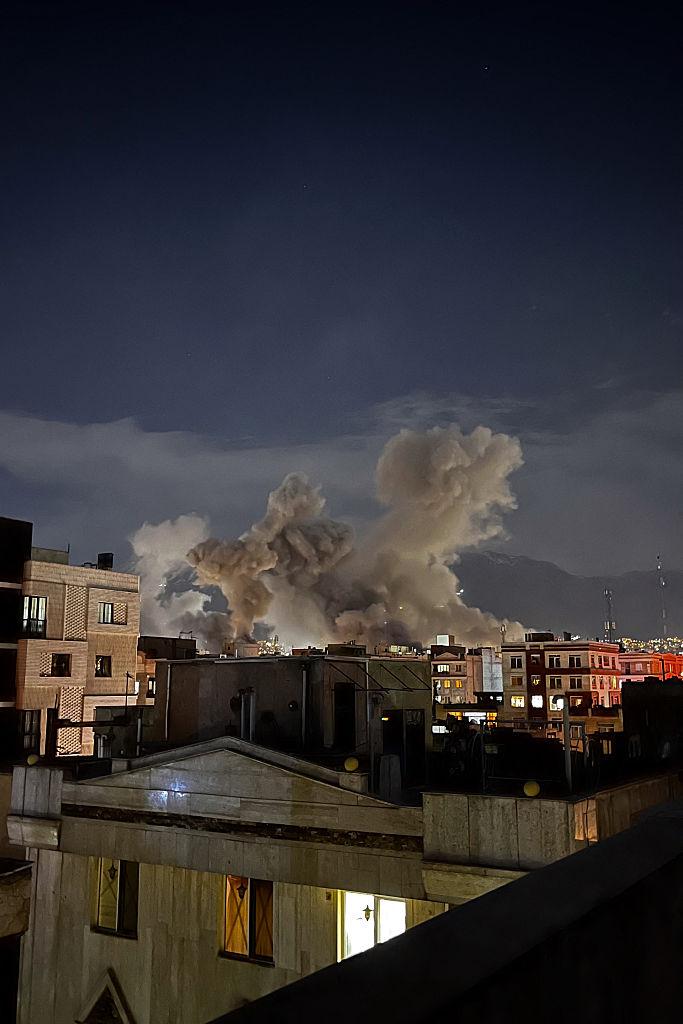
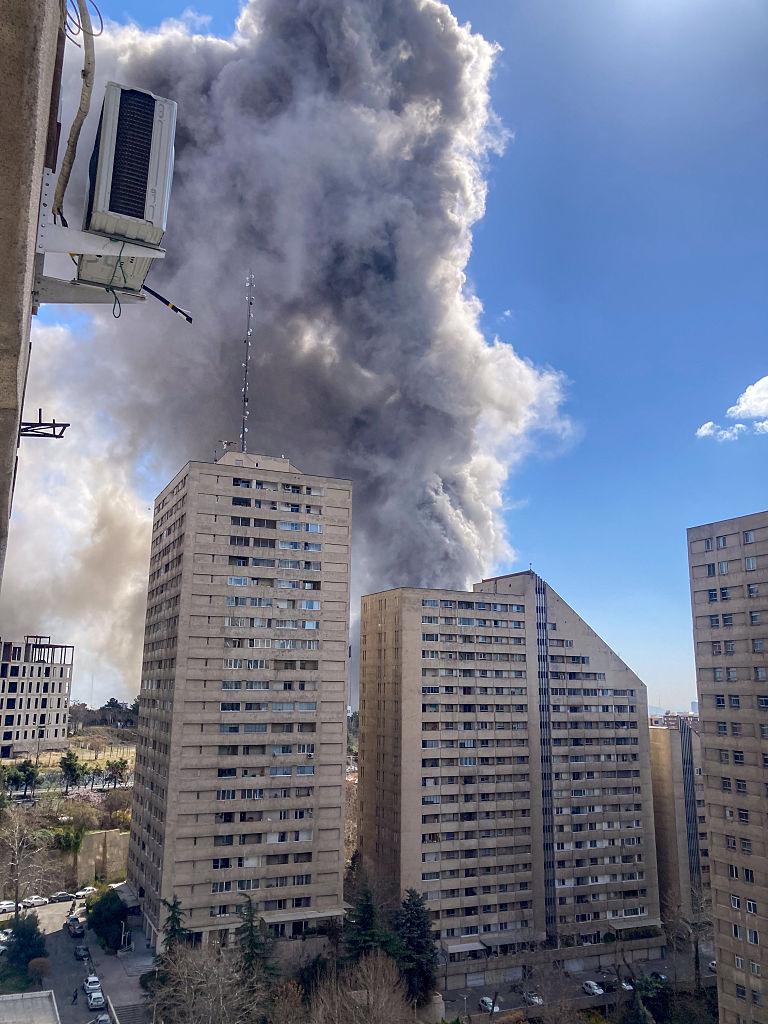
Witnesses across the Iranian capital described scenes of confusion and concern as the Explosions in Tehran echoed through residential and commercial neighborhoods. Many residents reported hearing powerful detonations that shook windows and buildings.
Moments after the blasts, air defense systems appeared to activate across several parts of the city. Bright streaks were visible in the night sky as defensive weapons attempted to intercept incoming threats.
Emergency response teams were deployed quickly to evaluate the situation and determine whether critical infrastructure or residential areas had been affected.
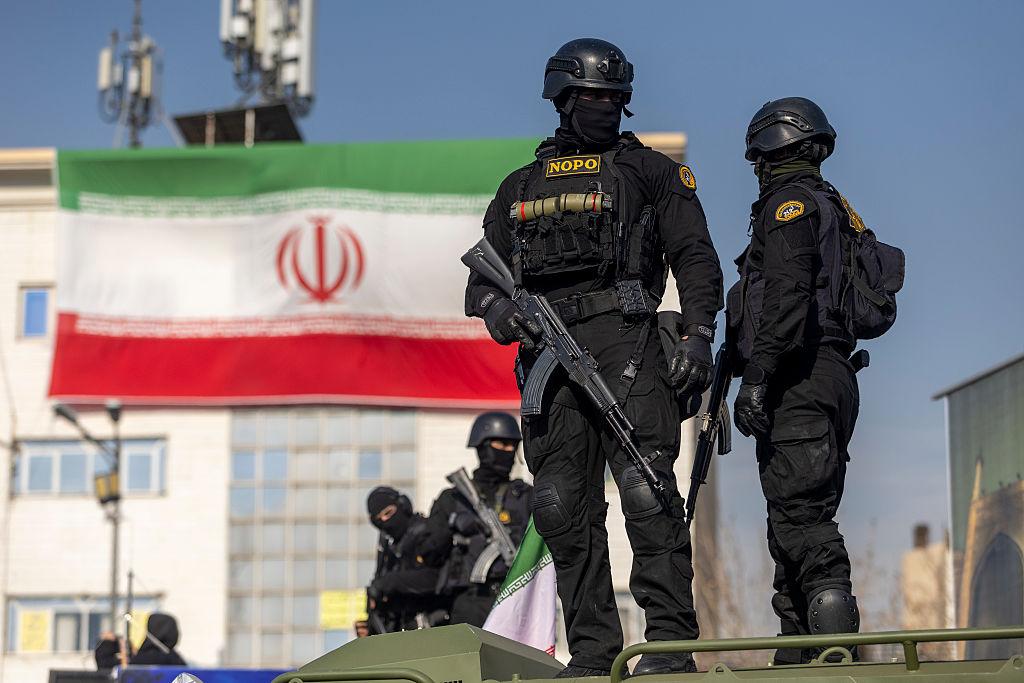
Security forces also increased their presence near government buildings, military facilities, and major transportation routes.
Air Defense Systems Activated in Response
Shortly after the first blasts were heard, Iran’s defensive systems were activated as authorities attempted to secure the city. Military analysts observing the situation said the Explosions in Tehran may have occurred near strategic infrastructure.
The Iranian capital has one of the most extensive air defense networks in the region, designed to respond quickly to aerial threats. These systems include radar networks, missile defense platforms, and monitoring stations positioned around key areas.
Observers noted that the rapid response suggests authorities were prepared for potential aerial activity.
Officials have not released detailed information regarding the exact targets or causes of the explosions, but investigations remain underway.
Residents Confront a Night of Uncertainty
For many residents, the Explosions in Tehran created an atmosphere of anxiety and uncertainty. Families gathered inside homes while monitoring television and online updates to understand what was happening.
Some people reported stepping outside briefly to observe the flashes in the sky before returning indoors.
Traffic slowed in several areas as security checkpoints were established near sensitive locations. Public transportation systems continued operating, though additional security personnel were visible at major stations.
A resident living near central Tehran described the experience:
“When the explosions started, the entire neighborhood stopped. Everyone was trying to figure out what was happening.”
For many citizens, the night served as a reminder of how quickly international tensions can affect daily life.
International Attention Focuses on Tehran
The Explosions in Tehran quickly became a major international story as governments around the world responded to the developments.
Several countries called for restraint and urged diplomatic solutions to prevent further escalation. European officials emphasized the importance of dialogue and cooperation to maintain regional stability.
Asian governments also began monitoring developments closely because of the Middle East’s role in global trade and energy supply.
Security analysts warned that events involving major regional powers can quickly influence geopolitical relationships and international markets.
Global leaders began discussing the situation through diplomatic channels while intelligence agencies gathered additional information.
Strategic Implications for Regional Security
Security experts say the Explosions in Tehran highlight the fragile balance of power that currently defines the Middle East.
Iran has long played a central role in regional political and military dynamics. Any military activity involving the capital carries symbolic and strategic significance.
Defense analysts note that targeted operations are often designed to weaken strategic infrastructure rather than cause widespread damage.
However, even limited operations can create ripple effects throughout the region.
Countries across the Middle East are now evaluating potential consequences and preparing for possible changes in the regional security environment.
Global Markets React to Rising Tensions
One immediate concern following the Explosions in Tehran involves the potential effect on global energy markets.
The Middle East produces a large portion of the world’s oil supply, and Iran remains a significant player in regional energy dynamics. Any instability involving Iran can influence international markets.
Energy analysts say investors often respond quickly when geopolitical tensions affect major oil producing regions.
Shipping routes through the Persian Gulf are especially important for global energy distribution. Any disruption could influence transportation costs, supply chains, and market stability.
Financial analysts noted that investors and governments will continue monitoring developments closely.
Security Measures Expand Throughout the City
Following the Explosions in Tehran, authorities expanded security measures across several parts of the capital.
Additional patrols were deployed near government buildings, military facilities, and infrastructure hubs. Checkpoints were established along major roads and highways.
Officials urged residents to remain calm while investigations continued into the cause and location of the blasts.
Authorities emphasized that protecting public safety remained their highest priority as they gathered information about the events.
These precautionary measures are expected to remain in place until authorities complete their assessments.
Historical Context of Tensions Surrounding Tehran
Understanding the significance of the Explosions in Tehran requires examining the broader historical context of regional tensions.
For decades, Iran has been at the center of geopolitical debates involving military security, diplomatic negotiations, and international sanctions.
The country’s strategic position in the Middle East and its influence across regional alliances have often placed it at the center of international attention.
Throughout modern history, Tehran has faced political pressure, economic restrictions, and security challenges from various international actors.
Although military activity near the capital is rare, events involving Tehran often become important moments in the broader geopolitical narrative.
Historical precedents show that developments affecting major capitals can influence diplomatic relationships and strategic planning across multiple regions.
Diplomatic Channels Begin Quiet Discussions
Following the Explosions in Tehran, diplomatic communication between several governments intensified.
International organizations and diplomatic representatives began contacting regional leaders to encourage dialogue and restraint.
Diplomats often play a critical role during moments of tension, working behind the scenes to prevent misunderstandings and reduce the risk of escalation.
One diplomatic analyst summarized the challenge facing global leaders.
“Moments like this require careful communication, because diplomacy is often the strongest tool for preventing conflicts from expanding.”
Many governments believe that continued dialogue remains essential for maintaining stability.
Military Analysts Examine Possible Targets
Defense experts studying the Explosions in Tehran have begun analyzing satellite imagery and intelligence data to determine the possible targets involved.
Strategic infrastructure related to military operations often becomes the focus of precision strikes.
These operations typically aim to disrupt capabilities without causing widespread destruction across civilian areas.
While official confirmation may take time, analysts believe the pattern of explosions suggests carefully selected objectives.
Understanding the targets involved could provide insight into how the situation may develop in the coming days.
Global Security Concerns Continue to Grow
The Explosions in Tehran have raised broader questions about international security and regional stability.
Military events involving major powers can influence alliances, diplomatic relationships, and defense strategies around the world.
Governments across Europe, Asia, and the Middle East are now evaluating how these developments might affect long term geopolitical dynamics.
Security experts say even limited confrontations can create lasting consequences.
A regional security specialist described the broader implications.
“The concern is not only about the explosions themselves but about the decisions that follow them.”
Global leaders are now focused on preventing further escalation while maintaining diplomatic engagement.
What the Coming Days Could Reveal
Investigations into the Explosions in Tehran continue as authorities gather information about the scale and impact of the events.
Officials are expected to release additional updates as damage assessments and security evaluations progress.
Diplomatic discussions may also intensify as governments attempt to reduce tensions and avoid further military activity.
For the residents of Tehran, the focus remains on safety and understanding how the situation may evolve.
For the international community, the events serve as a reminder of how quickly geopolitical tensions can influence global stability.
When the Night Sky Changed Over Tehran
The Explosions in Tehran represent a moment when geopolitical tensions became visible above one of the Middle East’s most important cities.
Whether the events lead to further confrontation or renewed diplomatic engagement remains uncertain.
What is clear is that governments, analysts, and citizens around the world are watching closely as the situation develops.
The coming days may determine whether this moment becomes a turning point in regional security or a catalyst for renewed diplomatic efforts.