
Philippines defence strategy – April 28, 2026 — Brussels Morning Newspaper – Senior officials in the Philippines have reaffirmed confidence that ongoing tensions involving Iran will not disrupt the United States commitment to the Indo-Pacific, reinforcing a stable and evolving regional security framework.
- Key Strategic Indicators
- Manila Reaffirms Confidence in US Strategic Commitment
- Indo-Pacific Remains Central to Global Security Planning
- Defence Cooperation Between Manila and Washington Expands
- Regional Stability Anchored by Strategic Alliances
- Global Military Capabilities Enable Multi-Region Engagement
- Historical Perspective on Philippines Defence Policy
- Economic and Strategic Implications for the Region
- Strategic Outlook for Southeast Asia
- Philippines Defence Strategy Summary and Key Takeaways
The statement highlights a broader recalibration of military priorities across Southeast Asia, where nations are strengthening alliances while adapting to rapidly shifting global geopolitical conditions.
Key Strategic Indicators
Primary Focus: Indo-Pacific regional security
Core Alliance: Philippines–United States defence partnership
Main Concern: Potential US distraction due to Middle East tensions
Official Position: No significant strategic shift expected
Security Outlook: Stable with strengthening cooperation
Manila Reaffirms Confidence in US Strategic Commitment
The evolving Philippines defence strategy reflects strong confidence in Washington’s ability to maintain its presence across multiple global theaters. Officials emphasized that the United States has the operational capacity and geopolitical interest to remain engaged in Asia despite conflicts elsewhere.
A senior defence official stated:
“The United States has consistently demonstrated its ability to manage global commitments without compromising regional priorities.”
This assurance comes at a time when Indo-Pacific nations are closely evaluating global developments for potential ripple effects.
Indo-Pacific Remains Central to Global Security Planning
The emphasis within the Philippines defence strategy underscores the Indo-Pacific as a cornerstone of global security architecture. The region continues to play a critical role in trade, economic growth, and geopolitical balance.
Key strategic elements include:
- Protection of maritime trade routes
- Military deterrence against regional threats
- Strengthening alliances and partnerships
- Expansion of joint security initiatives
These priorities ensure that the Indo-Pacific remains at the forefront of international defence planning.

Defence Cooperation Between Manila and Washington Expands
The current Philippines defence strategy is deeply rooted in long-standing military cooperation with the United States. Joint exercises, intelligence sharing, and defence agreements continue to form the backbone of this partnership.
Recent developments include:
- Increased frequency of joint military drills
- Expanded access to strategic military locations
- Enhanced coordination on maritime security
A regional security analyst noted:
“The depth of this alliance provides a strong buffer against geopolitical uncertainty.”
Regional Stability Anchored by Strategic Alliances
The resilience of the Philippines defence strategy is closely tied to broader regional cooperation. Southeast Asian nations are prioritizing diplomatic engagement and multilateral frameworks to maintain stability.
Key regional approaches include:
- Strengthening ASEAN collaboration
- Expanding bilateral defence partnerships
- Promoting peaceful conflict resolution
These measures help ensure that regional security remains insulated from global disruptions.
Global Military Capabilities Enable Multi-Region Engagement
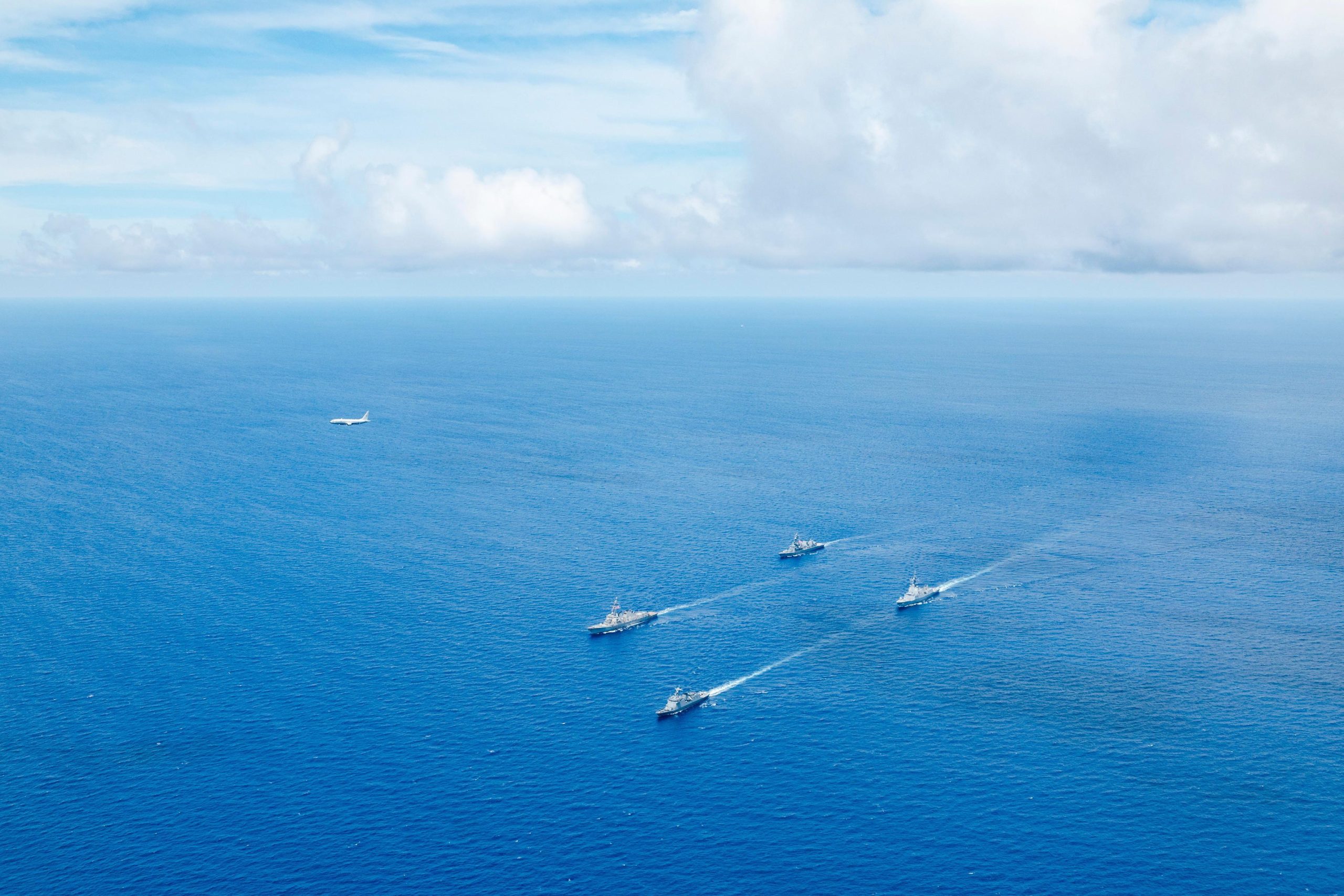
Confidence in the Philippines defence strategy is supported by the global reach of US military capabilities. Advanced logistics, forward-deployed forces, and integrated command systems enable sustained operations across multiple regions.
These capabilities include:
- Strategic naval presence in key waterways
- Rapid deployment forces
- Advanced surveillance and intelligence systems
Such resources reinforce the belief that US commitments in Asia will remain intact.
Historical Perspective on Philippines Defence Policy
The foundation of the Philippines defence strategy can be traced back to decades of cooperation with global partners, particularly the United States. From post-war agreements to modern security frameworks, the relationship has evolved to address contemporary challenges.
This historical continuity provides a strong basis for current confidence and future strategic planning.
Economic and Strategic Implications for the Region
The ongoing evolution of the Philippines defence strategy has broader implications for regional economies and security dynamics. Stability in the Indo-Pacific supports trade, investment, and economic growth across multiple sectors.
Key implications include:
- Increased investor confidence in regional stability
- Protection of critical shipping routes
- Strengthened economic partnerships
These factors contribute to a more predictable and secure environment for businesses and governments alike.
Strategic Outlook for Southeast Asia
Looking ahead, the Philippines defence strategy is expected to continue adapting to emerging challenges while maintaining core alliances. Regional governments are likely to enhance cooperation and invest in defence capabilities.
A defence expert stated:
“Strategic flexibility and strong alliances will define the next phase of security planning in Southeast Asia.”
Philippines Defence Strategy Summary and Key Takeaways
The Philippines defence strategy remains firm as Manila expresses confidence that US engagement in the Indo-Pacific will not be affected by Middle East tensions. Strong alliances, expanding military cooperation, and regional collaboration continue to support stability.
As global dynamics evolve, the Indo-Pacific remains a central focus for security and economic growth, ensuring that partnerships like the Philippines-US alliance remain vital to regional balance.