Washington, D.C., United States, 10 November – Brussels Morning Newspaper – Trump Iran Military Offensive plans appear to be on hold as President Donald Trump signals that the United States does not currently see a need for another large-scale military campaign against Tehran. The announcement comes amid renewed diplomatic efforts to reduce tensions and bring the prolonged conflict closer to an end.
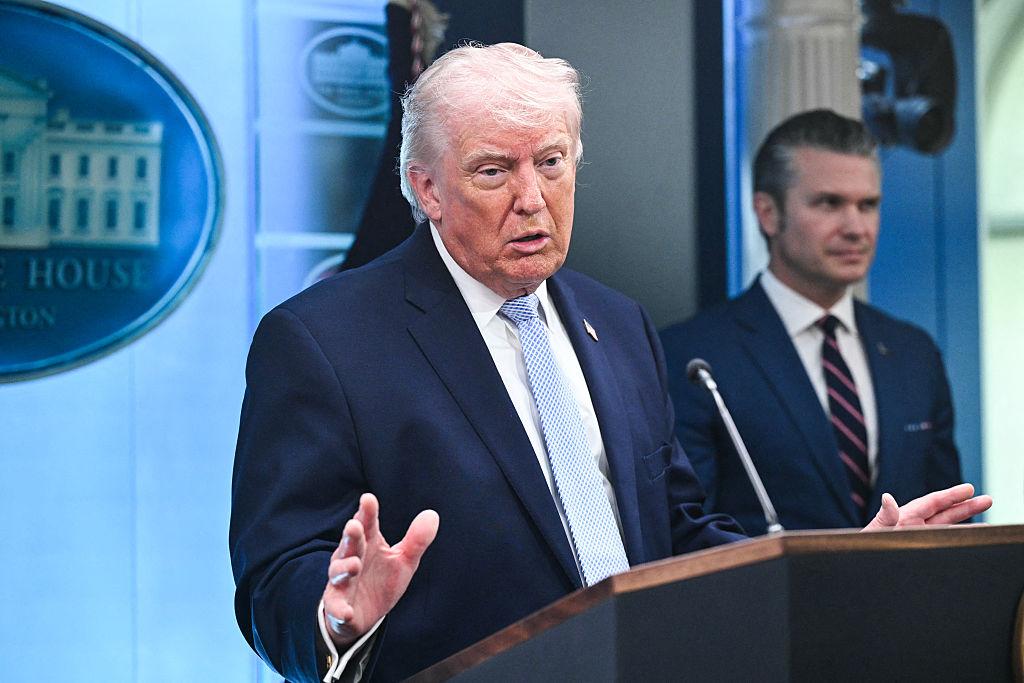
Speaking on November 9, Trump indicated that Washington would maintain its existing military posture while allowing negotiations to continue. However, he made clear that American forces remain prepared to respond if regional circumstances change.
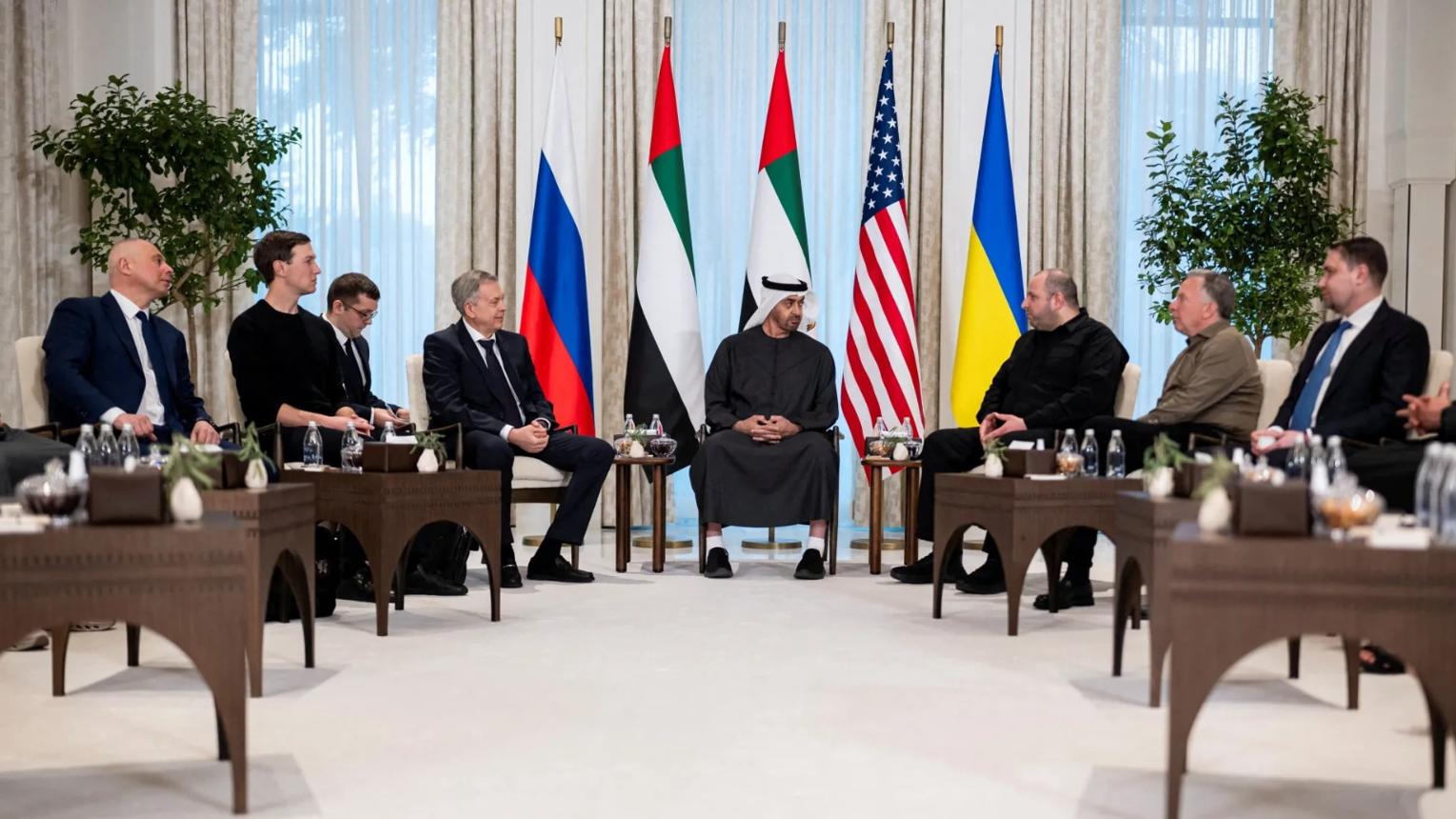
The comments followed discussions with Qatar’s Prime Minister, Sheikh Mohammed bin Abdulrahman Al Thani, who has played an important role in diplomatic efforts between Washington and Tehran.
Trump Signals a Shift Toward Diplomacy
The Trump administration’s latest position suggests a preference for negotiations over another major military offensive against Iran.
Trump described the conflict as militarily “effectively over” and expressed confidence that diplomatic efforts could produce progress toward ending the fighting.
Although the president has previously warned that additional military operations remain possible, his latest statements indicate that immediate escalation is not Washington’s preferred approach.
Secretary of State Marco Rubio has also indicated that major combat operations are not currently necessary.
Nevertheless, the administration has stopped short of declaring a formal end to the conflict. American military assets remain deployed across the region, allowing Washington to respond to potential threats.
Qatar Plays a Key Role in Iran Peace Talks
Qatar has emerged as an important diplomatic intermediary in efforts to reduce tensions between the United States and Iran.
The meeting between Trump and Qatar’s prime minister highlighted the growing importance of Gulf diplomacy in preventing further military escalation.
Regional governments, including Saudi Arabia, the United Arab Emirates, Bahrain and Kuwait, have expressed a preference for avoiding renewed large-scale attacks.
These countries face significant economic and security risks if the conflict intensifies, particularly because of their proximity to Iran and their dependence on stable regional trade routes.
For Washington, maintaining communication with Gulf partners could help create conditions for a negotiated settlement.
However, substantial disagreements remain between American and Iranian officials over the terms of any agreement.
US Military Pressure on Iran Continues
Despite the softer language surrounding the Trump Iran Military Offensive, Washington has not abandoned its broader pressure campaign.
The United States continues to maintain military forces in the Middle East and has indicated that restrictions on Iranian maritime activity will remain in place.
The Strait of Hormuz remains particularly important because it connects major Gulf energy producers with international markets.
Disruptions to shipping through the waterway have contributed to concerns about oil supplies, transportation costs and global energy security.
American officials have also maintained that Iran must address concerns surrounding its nuclear activities before a comprehensive agreement can be reached.
The administration’s approach therefore combines diplomatic engagement with continued economic and military pressure.
This strategy leaves open the possibility of further confrontation if negotiations fail.
Iran Nuclear Dispute Remains a Major Challenge
Iran’s nuclear program remains one of the central obstacles to a lasting settlement.
Washington has repeatedly insisted that Tehran must not obtain nuclear weapons, while Iranian officials have maintained that their country has the right to pursue peaceful nuclear technology.
The two sides also disagree over sanctions, restrictions on trade and the conditions required to restore normal maritime activity.
Iranian officials have demanded relief from economic restrictions and other measures imposed during the conflict.
American negotiators, meanwhile, are seeking assurances that any agreement will address security concerns and prevent renewed hostilities.
These competing demands demonstrate why diplomatic progress does not necessarily guarantee an immediate breakthrough.
Middle East Countries Seek Regional Stability
The possibility of avoiding another major military offensive has significant implications for the wider Middle East.
Gulf countries have repeatedly faced the threat of attacks on infrastructure, disruptions to international shipping and uncertainty surrounding energy exports.
A reduction in military tensions could provide relief for businesses, investors and governments concerned about the economic consequences of prolonged instability.
European governments also have a strong interest in preventing further escalation because energy prices and international trade disruptions can affect European economies.
However, regional stability will depend on whether Washington and Tehran can translate diplomatic discussions into enforceable commitments.
Without a lasting agreement, the risk of renewed confrontation will remain.
What Happens Next in US-Iran Relations?
The coming negotiations will determine whether the Trump administration’s decision to avoid a major new offensive develops into a broader diplomatic settlement.
Key issues include Iran’s nuclear activities, economic sanctions, maritime security and guarantees against further military attacks.
Qatar and other regional mediators are expected to remain important participants in efforts to narrow the differences between Washington and Tehran.
For now, Trump’s latest statements suggest that the United States prefers to maintain military readiness without immediately launching another large-scale campaign.
The Trump Iran Military Offensive remains a possibility if circumstances change, but the administration’s current emphasis is on diplomatic progress.
Whether that approach produces a lasting agreement will depend on concessions from both sides and their willingness to address the underlying causes of the conflict.