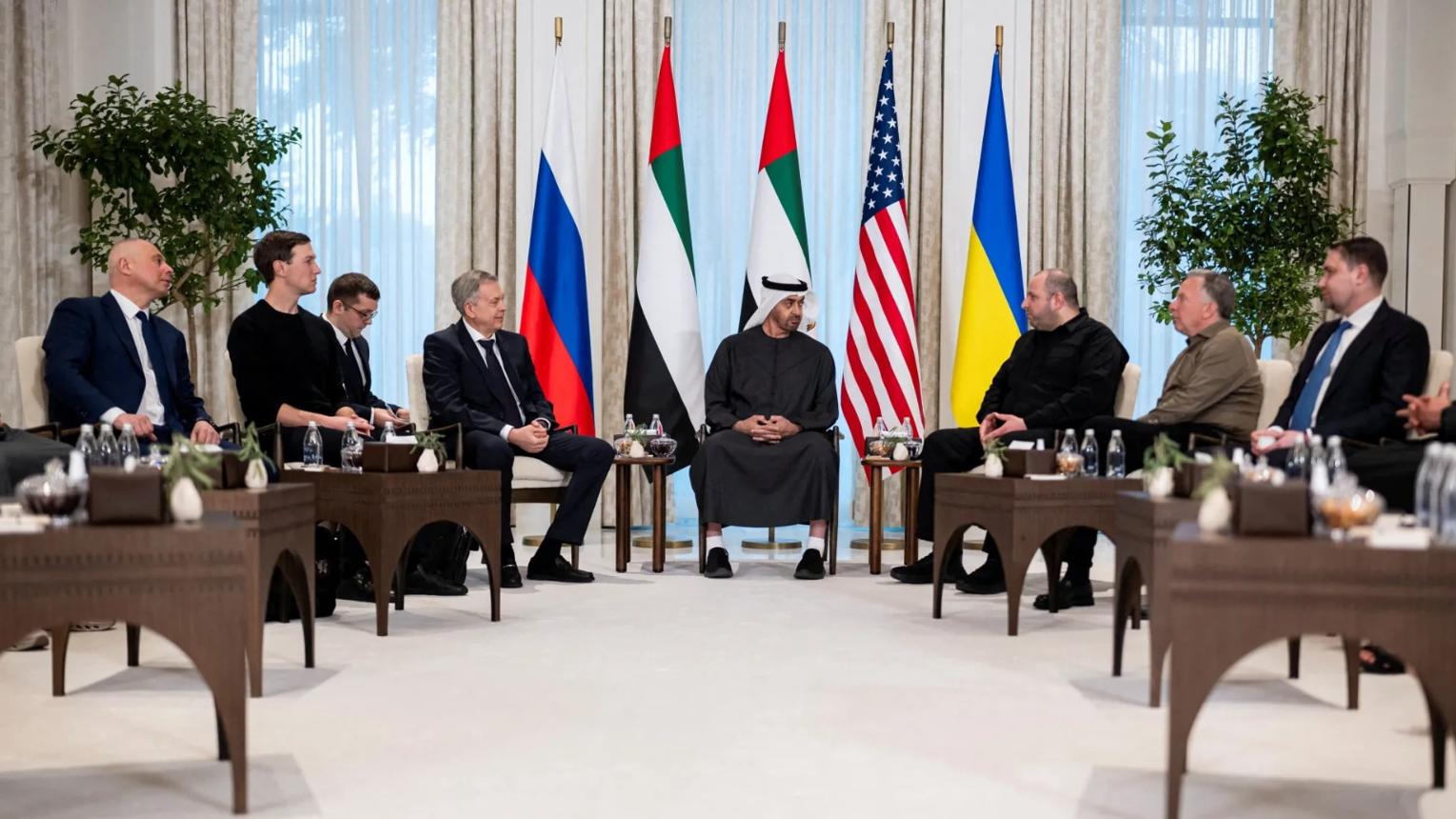
Abu Dhabi, 10 November – Brussels Morning Newspaper – Russia Ukraine Peace Talks resumed in Abu Dhabi on Tuesday, with Russian and Ukrainian delegations holding nearly four hours of negotiations under United States mediation. The diplomatic meeting represents another attempt to end the war that began with Russia’s full-scale invasion of Ukraine in February 2022.
The discussions brought together senior representatives from Moscow, Kyiv and Washington to examine possible security arrangements, ceasefire conditions and a broader framework for lasting peace.
The two-day negotiations are scheduled to continue on Wednesday, although major disagreements remain between the two countries.
U.S. Leads Fresh Diplomatic Efforts in Abu Dhabi
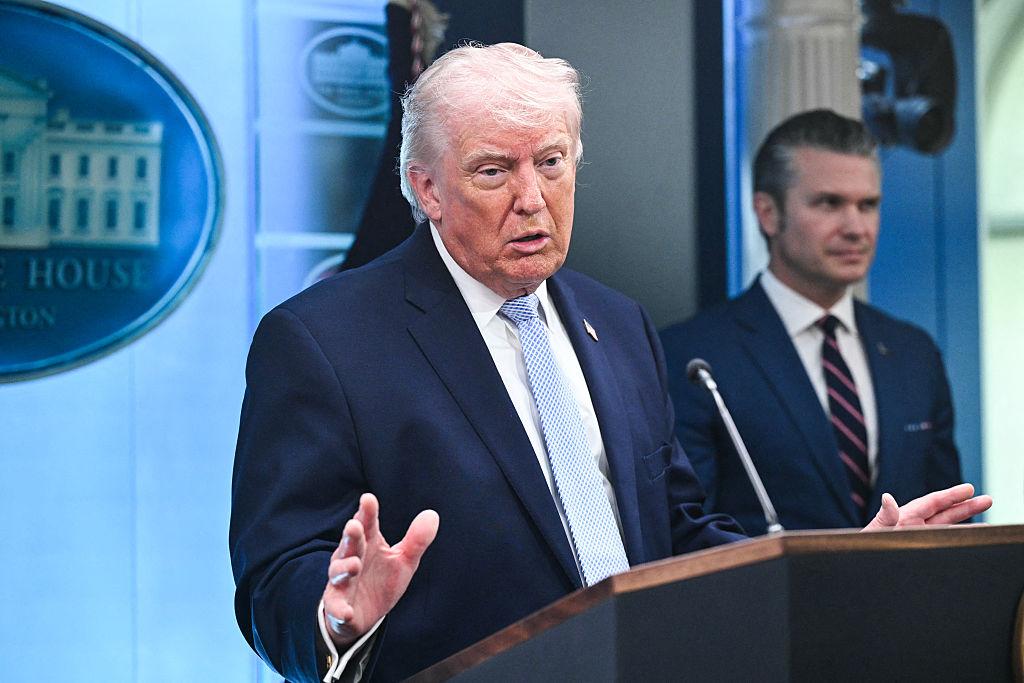
The latest Russia Ukraine Peace Talks are being mediated by U.S. special envoy Steve Witkoff and Jared Kushner, President Donald Trump’s son-in-law.
Washington hopes to revive diplomatic efforts after earlier negotiations failed to produce a significant breakthrough.
Kushner indicated that American negotiators had identified areas of disagreement and were exploring possible solutions to narrow the differences.
The United States is seeking an agreement that would end the fighting while establishing security arrangements capable of preventing another major conflict.
Abu Dhabi has emerged as an important diplomatic venue for discussions involving Russia, Ukraine and American representatives.
Russia and Ukraine Remain Divided Over Territory
Territorial control remains one of the biggest obstacles facing negotiators.
Russian President Vladimir Putin continues to demand that Ukraine withdraw its forces from four Ukrainian regions that Moscow claimed to annex in September 2022.
Russia also wants Ukraine to abandon its ambition to join NATO and accept restrictions on its military capabilities.
Ukrainian President Volodymyr Zelenskyy has rejected demands requiring Kyiv to surrender additional territory or weaken its armed forces.
Ukraine maintains that its sovereignty and territorial integrity must be respected in any peace agreement.
These conflicting positions have complicated previous negotiations and continue to challenge American mediation efforts.
Security Guarantees Become Central Issue
Future security guarantees are expected to play a major role in the Abu Dhabi negotiations.
Ukraine wants reliable international commitments that would help prevent another Russian invasion after a possible peace settlement.
Kyiv considers continued military cooperation with Western countries essential to its national security.
Russia, however, views NATO’s military presence and potential expansion as threats to its security interests.
American negotiators are examining whether broader European security arrangements could help address these competing concerns.
Any agreement would likely require difficult compromises involving military deployments, international commitments and long-term security cooperation.
European Leaders Follow Negotiations Closely
European governments are closely monitoring the Russia Ukraine Peace Talks because the outcome could reshape security across the continent.
Representatives from Britain, France, Germany, Italy, NATO and the European Commission held discussions with Ukrainian and American officials ahead of Tuesday’s trilateral meeting.
European leaders have repeatedly emphasized that decisions affecting Ukraine’s future should involve Kyiv and that European security arrangements must reflect the interests of European countries.
German Chancellor Friedrich Merz expressed limited expectations for an immediate diplomatic breakthrough.
The European Union also faces important questions concerning Ukraine’s reconstruction, financial assistance and long-term defense cooperation.
Fighting Continues Despite Peace Negotiations
The diplomatic discussions are taking place while military operations continue across Ukraine and Russia.
Ukraine’s air force reported that Russia launched 162 drones and a ballistic missile overnight.
Meanwhile, Russia’s Defense Ministry claimed its forces intercepted 155 Ukrainian drones over several Russian regions and Crimea.
These reports underline the continuing intensity of the conflict despite renewed diplomatic engagement.
The fighting has caused extensive destruction, displaced millions of people and placed significant pressure on infrastructure and civilian communities.
Ukraine has called for an immediate ceasefire as a first step toward wider negotiations.
Russia has resisted a general ceasefire without a comprehensive agreement addressing its demands.
What Happens Next in the Peace Process?
The Russia Ukraine Peace Talks are expected to resume on Wednesday, November 11, with negotiators continuing discussions on security guarantees and possible steps toward ending hostilities.
The first day’s meetings demonstrated that diplomatic communication remains possible, but no major breakthrough had been announced.
Washington is expected to continue consultations with both sides and European partners as it searches for a workable settlement.
A successful agreement would require progress on territorial disputes, military arrangements, political commitments and the enforcement of any ceasefire.
For now, the Abu Dhabi meeting represents another diplomatic opportunity rather than a confirmed turning point in the war.
The coming negotiations will help determine whether the United States can narrow the differences between Moscow and Kyiv and move the two countries closer to a lasting peace.