A leading airline has announced half-year profit for 2026-27 despite the impact of regional conflict and high fuel costs.
On Thursday, the Emirates Group released its half-year financial results, posting a profit before tax of AED 4.1 billion (US$ 1.1 billion) for the first six months of 2026-27.
A spokesman described this as a “remarkable performance” against the disruption and high fuel prices caused by the ongoing conflict in the Gulf region.
After accounting for income tax charges, the Group’s profit after tax is AED 3.6 billion (US$ 1.0 billion), down 66% from last year.
Group revenue was AED 66.2 billion (US$ 18.0 billion) for the first six months of 2026-27, down 12% from AED 75.4 billion (US$ 20.6 billion) last year.
The Group says it has been able to tap on its own strong cash reserves to support business needs, including pre-delivery payments for aircraft and servicing existing debt obligations.
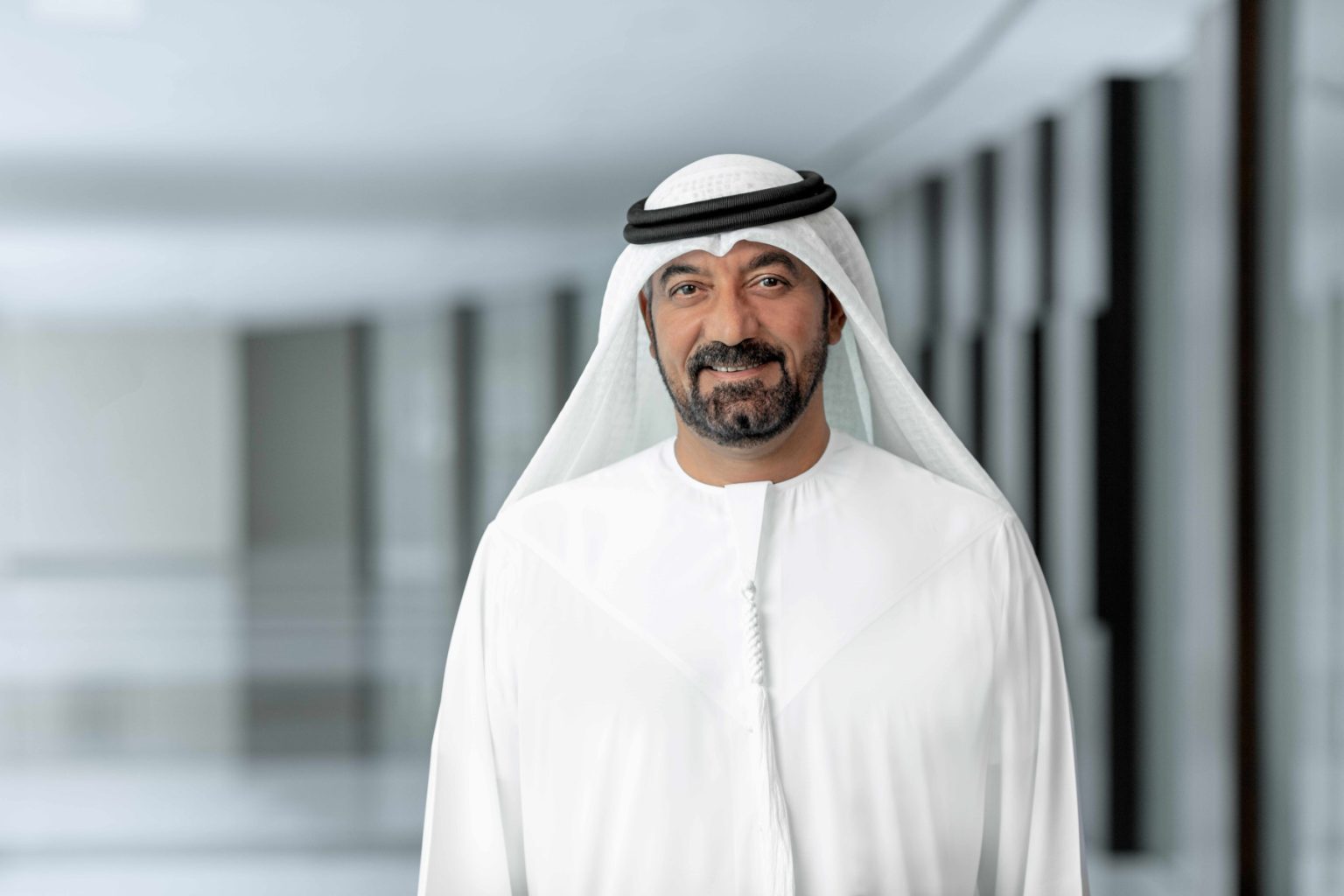
Speaking on 5 November, Sheikh Ahmed bin Saeed Al Maktoum, Chairman and Chief Executive, Emirates Airline and Group admitted: “It has been a demanding six months.”
But he continued, “Once again our business model and our people stood up to the test.”
“Against unprecedented regional challenges and high fuel prices, the Group has delivered a profit before tax of AED 4.1 billion (US$ 1.1 billion). Customer demand held firm and our cargo operations made a strong contribution, keeping revenue and cash levels healthy even as global jet fuel prices doubled against the same period last year, impacting our costs and profitability.”
He added, “I’d like to thank the UAE government for its decisive response and its co-ordination of all stakeholders to enable the safe resumption of air transport in the aftermath of military activity across the Gulf region.
“The government’s measures have also led to the easing of travel advisories to and through the UAE.
“This has allowed us to restore our operations with confidence and to keep serving our customers and communities.
“Throughout this time, we have not paused our investments. Emirates and dnata continue to commit significant resources to expand our fleet, enhance our products and services, and develop capabilities that will shape the future of our business. This is how we stay ahead and stay resilient to external challenges.”
Sheikh Ahmed added: “We enter the second half of our 2026-27 financial year with measured optimism.
“While keeping a close watch on costs and geopolitical developments, we remain focused on delivering what Emirates and dnata are known for – safety, quality, and customer satisfaction. We’ve weathered challenges before, and with our strong cash position and solid foundation built up over the years, the Group is well-placed to navigate the headwinds of volatility and high fuel prices.”
Compared to 31 March 2026, the Emirates Group’s employee base dropped by 2% to an overall count of 128,237 on 30 September 2026. However, the airline spokesman said both Emirates and dnata “maintain ongoing recruitment drives” to support business requirements.
Emirates airline
The first six months of 2026-27 brought significant challenges to Emirates’ operations as intermittent airspace restrictions and closures across the region tested the airline’s operational agility, while government travel advisories reshaped consumer choices and travel flows.
During this period, Emirates says it focused on restoring its network and connectivity options through its Dubai hub. At 30 September, Emirates was operating 91% of its pre-disruption network, with its passenger and cargo network spanning 150 airports in 78 countries and territories.
The airline also said it had launched a series of initiatives to boost customer confidence, including an “industry-first” comprehensive travel cover that is unrestricted by government travel advisories, free date changes on booked tickets, and generous refund policies.
Between 1 April and 30 September, Emirates expanded its inventory of Premium Economy seats and brought its latest cabin products to customers in more markets, as it received delivery of 9 new A350 aircraft and completed the full cabin refurbishment of 12 aircraft (9 A380s, 3 Boeing 777s).
Emirates’ retrofit programme, one of the world’s largest known such projects, represents a planned investment of over US$ 7.0 billion to bring Emirates’ latest cabin products across its fleet. The airline’s Starlink installation programme also continued at pace, equipping 36 more aircraft with high-speed Wi-Fi in the sky during the first six months of the year, and bringing Emirates’ total Starlink-installed fleet to 57 aircraft as of 30 September.
To support its future fleet requirements, in May, Emirates broke ground on its US$ 5.1 billion engineering and Maintenance, Repair, and Overhaul (MRO) facility at Al Maktoum International Airport, with completion expected in the mid-2030s.
Emirates also launched two industry-first cabin products to positive customer reviews: the U-dream headrest built into Economy Class seats, and electronically controlled privacy dividers in Premium Economy.
On the ground, Emirates says it inaugurated the first of its new concept lounges in Munich, Frankfurt and Manchester, featuring the airline’s latest interior design palette and elevated services for premium customers and frequent flyers. Emirates also opened new travel stores bringing its total retail footprint over 30 stores, offering customers more personal and experiential service touchpoints.
During the first half of 2026-27, Emirates extended its successful and long-running sponsorship deals with Arsenal Football Club (until 2033), and with Real Madrid (until 2031), representing multi-year investments in global brand visibility and partnerships with two of the world’s most prominent clubs in football.