
Ukraine Strikes Deep, Russian Submarine Destroyed in Dramatic Attack
In a bold and unprecedented military operation, Ukraine has struck deep into contested waters, resulting in the destruction of a Russian submarine. This dramatic attack marks a significant escalation in the ongoing conflict between the two nations and showcases Ukraine’s growing military capabilities and strategic resolve. The event has captured global attention, raising questions about future engagements and the broader implications for regional security.
The Context of the Attack
Ukraine’s naval capabilities have historically been overshadowed by Russia’s more extensive maritime forces. However, over the past months, Ukraine has rapidly enhanced its defensive and offensive military strategies, particularly in response to the sustained aggression it’s faced since the escalation of hostilities. The destruction of a Russian submarine signals a turning point, illustrating Ukraine’s ability to project power deep into waters previously thought to be under uncontested Russian control.
The Black Sea, a crucial theater for both countries, has seen increased military activity. Russia’s Black Sea Fleet has been a cornerstone of its maritime dominance, enabling launches of missile strikes deep into Ukrainian territory and imposing naval blockades. Ukraine’s successful strike undermines this dominance and indicates a shift in the balance of naval power.
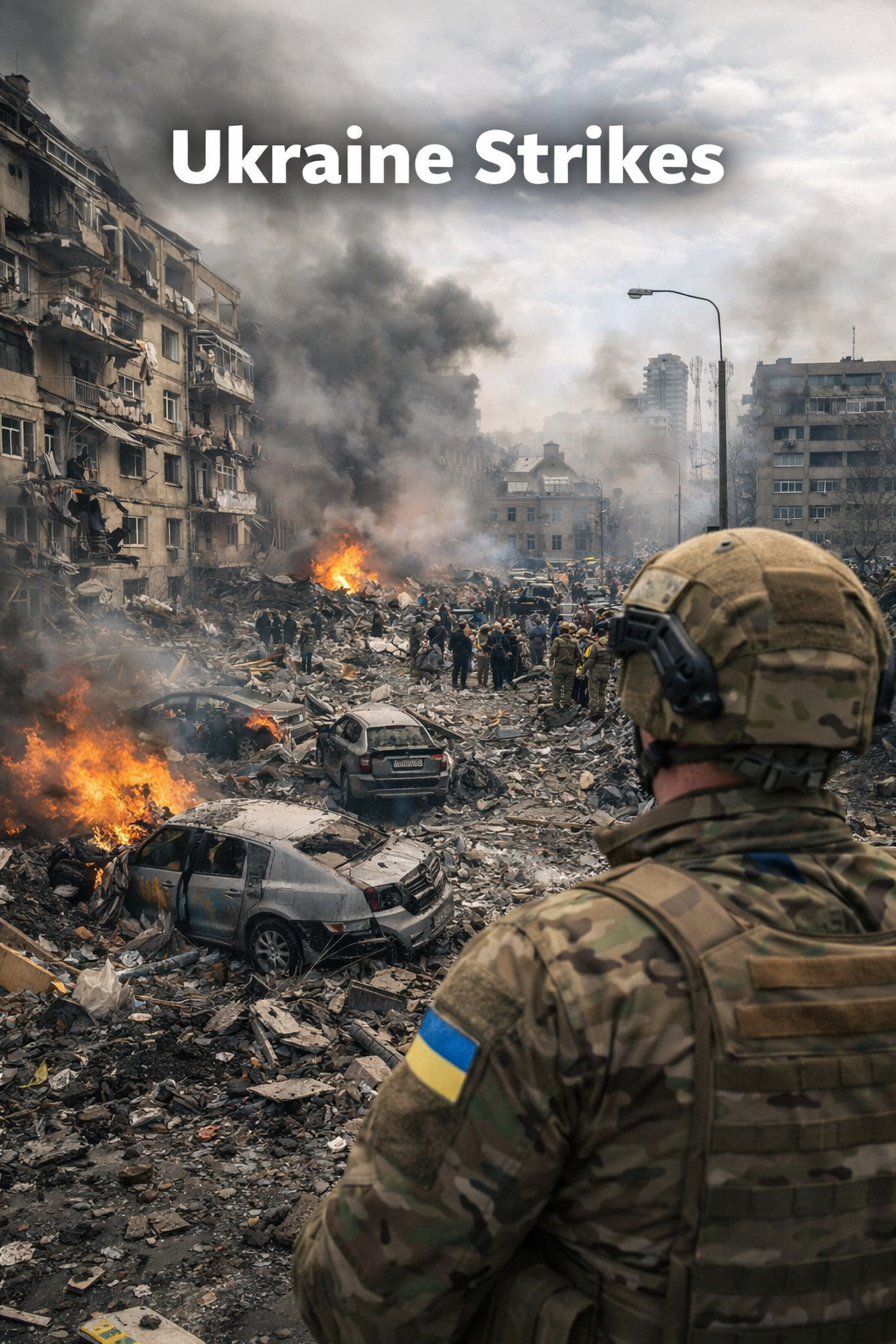
How Ukraine Strikes Deep: The Strategy Behind the Attack
Executing a deep strike against a highly guarded Russian submarine requires precision, intelligence, and technological sophistication. Ukrainian forces likely combined satellite reconnaissance, cyber intelligence, and coordinated naval and air operations to locate and target the submarine effectively.
Reports suggest the strike was executed using advanced anti-submarine weapons, potentially including upgraded torpedoes or missile systems capable of targeting submerged vessels. The use of drones and unmanned underwater vehicles may have played a crucial role in the reconnaissance phase, identifying the submarine’s exact position before the attack was launched.
This operation reflects Ukraine’s emphasis on joint-force coordination, integrating resources from navy, air force, and intelligence units to maximize impact while minimizing risks to personnel and assets.
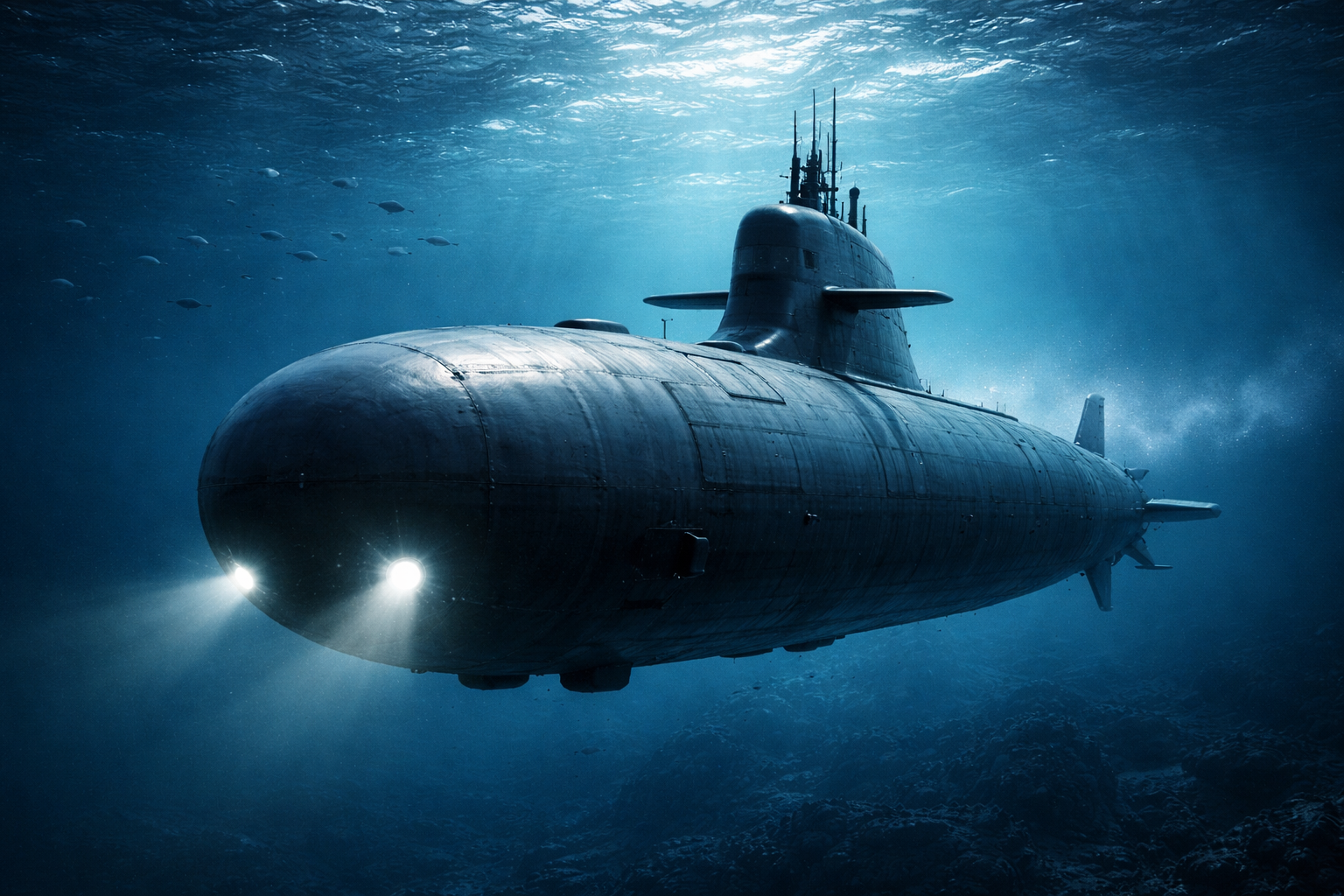
The Russian Submarine Destroyed: What We Know
The Russian submarine destroyed is believed to be a key asset of the Black Sea Fleet, possibly one equipped with cruise missiles or capable of launching strategic strikes. Losing such a vessel is a severe blow to Russia’s maritime operational capacity and morale.
Details about the class and specifications of the submarine remain sparse due to ongoing military secrecy and the fog of war. However, analysts indicate that the destroyed submarine had been actively involved in offensive operations against Ukrainian targets, making it a high-value target.
This event may disrupt Russian naval operations temporarily, forcing the Kremlin to reconsider deploying similar vessels in vulnerable areas.
Geopolitical Implications of the Attack
Ukraine’s successful strike deep into Russian-controlled waters is more than a military victory; it carries significant geopolitical weight. It sends a powerful message to both Russia and the international community: Ukraine will actively defend its sovereignty and is capable of offensive operations beyond its borders.
This attack may escalate tensions further, provoking retaliatory measures from Russia. A cycle of naval engagements could ensue, heightening risks for civilian vessels and increasing the potential for miscalculations at sea.
For NATO and Western allies, Ukraine’s operation underscores the importance of providing advanced military aid and intelligence support. It strengthens the argument for increased naval assistance and possibly enhanced maritime surveillance in the region to prevent further escalations.
The Human and Tactical Cost
Despite the strategic success, the attack inevitably involved human risk. Ukrainian forces demonstrated exceptional skill in carrying out such a complex operation, possibly with some casualties or close calls that are yet to be publicly disclosed.
On the Russian side, the destruction of the submarine likely resulted in significant loss of life, compounding the human tragedy of the broader conflict. Submarine disasters are particularly perilous due to the confined environment and limited escape options.
Tactically, Ukraine’s success will embolden its forces but also highlight the vulnerabilities of Russian naval deployments, possibly triggering changes in their maritime doctrines and force postures.
What This Means for the Future of the Conflict
The destruction of the Russian submarine represents a critical juncture in the conflict, showing that Ukraine is no longer merely on the defensive but capable of carrying out offensive strikes that challenge Russian control of strategic maritime domains.
This may shift the dynamics of naval warfare in the Black Sea, leading to increased engagements and a heightened arms race between the two nations. Both sides are likely to bolster their naval fleets, invest further in anti-submarine warfare technologies, and increase maritime patrols.
Furthermore, the attack underscores the evolving nature of modern warfare, where intelligence, precision weaponry, and joint operations play pivotal roles. It also reveals how smaller nations like Ukraine can resist and counter larger military powers through innovation and determination.
Global Reactions and Strategic Responses
International reactions to Ukraine’s strike have been mixed but largely signaling concern and recognition of Ukraine’s efforts. Western nations condemned the violence but acknowledged Ukraine’s right to defend itself. Some called for renewed diplomatic efforts to avoid further maritime confrontations.
Russia, predictably, labeled the strike as an act of aggression and vowed a strong response. Moscow’s rhetoric suggests potential escalations and possible retaliation targeting Ukrainian naval or coastal installations.
Meanwhile, maritime security experts worldwide are closely monitoring the Black Sea, urging for careful navigation and conflict prevention measures amid growing military activity.
Ukraine’s deep strike resulting in the destruction of a Russian submarine is a landmark moment in the ongoing conflict, demonstrating the country’s growing military capabilities and strategic resolve. This dramatic attack has far-reaching implications, challenging Russia’s naval dominance, intensifying regional tensions, and spotlighting the evolving nature of warfare.
As the conflict continues to unfold, the world watches closely, recognizing that the battle lines are being redrawn not only on land but also beneath the waves. This event will likely shape future military and diplomatic strategies, underscoring the critical need for vigilance, support, and dialogue to prevent further escalation in one of today’s most volatile regions.