Kyiv, Ukraine – May 23 – Brussels Morning Newspaper — Ukraine drone warfare is rapidly transforming the nature of modern combat as military forces increasingly rely on unmanned aerial systems to conduct surveillance, precision strikes, reconnaissance missions, and tactical battlefield operations. What began as limited drone usage early in the conflict has evolved into one of the most influential military technologies shaping warfare in 2026.
- FPV Drones Become Critical Weapons
- Military Training Evolves Around Drone Operations
- Electronic Warfare Expands Across the Battlefield
- Global Militaries Study Ukraine’s Battlefield Lessons
- Drone Warfare Creates Psychological Impact
- Technology Innovation Accelerates During Conflict
- Ukraine Drone Warfare 2026
- Civilian Drone Communities Support Innovation
- Future Conflicts Likely to Depend on Drones
Across active combat zones, drone operators now play a central role in military decision-making. Small unmanned aircraft are being used to identify targets, monitor troop movements, coordinate artillery strikes, and carry out direct attacks against military equipment and defensive positions.
Military analysts say Ukraine drone warfare has permanently changed how governments and defense organizations around the world view future conflicts.
One defense strategist stated:
“The battlefield in Ukraine has shown the world that low-cost drones can create massive military impact.”
The statement reflects growing recognition that drone systems are altering traditional military power structures.
FPV Drones Become Critical Weapons
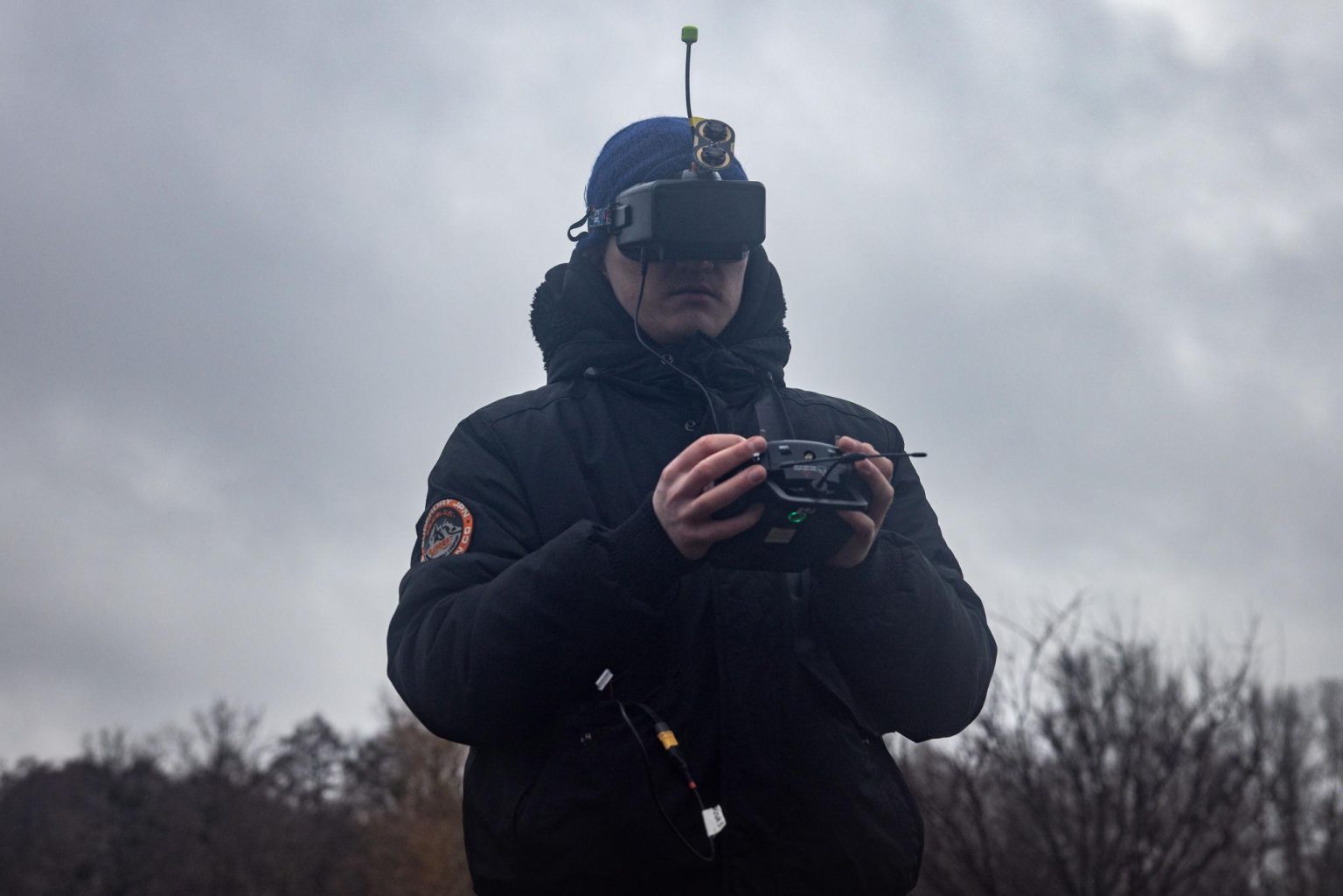
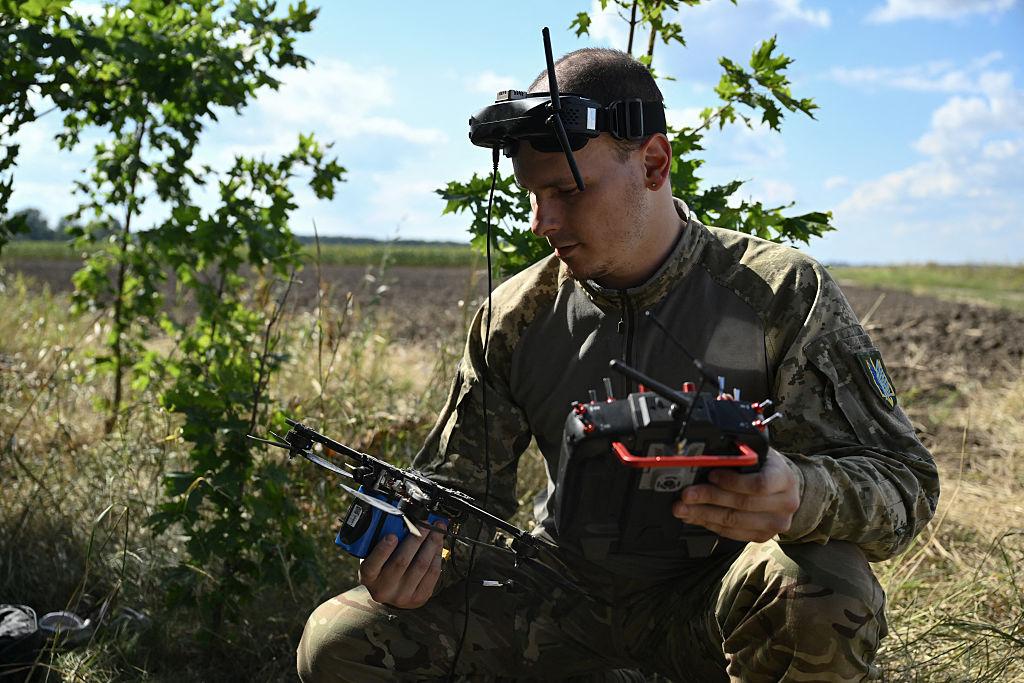
First-person-view drones, commonly called FPV drones, have become one of the most widely used tools in Ukraine drone warfare. These systems allow operators to control drones through live video feeds transmitted directly to specialized headsets, creating highly precise navigation during combat operations.
FPV drones are frequently modified to carry explosives or surveillance equipment, making them valuable for targeting armored vehicles, supply positions, and defensive fortifications.
Compared to traditional military aircraft and missile systems, FPV drones are relatively inexpensive and can be deployed quickly in large numbers. This flexibility has made them a major tactical advantage during the conflict.
Military experts say the effectiveness of FPV operations has forced many countries to reconsider their own battlefield strategies and defense priorities.
Military Training Evolves Around Drone Operations
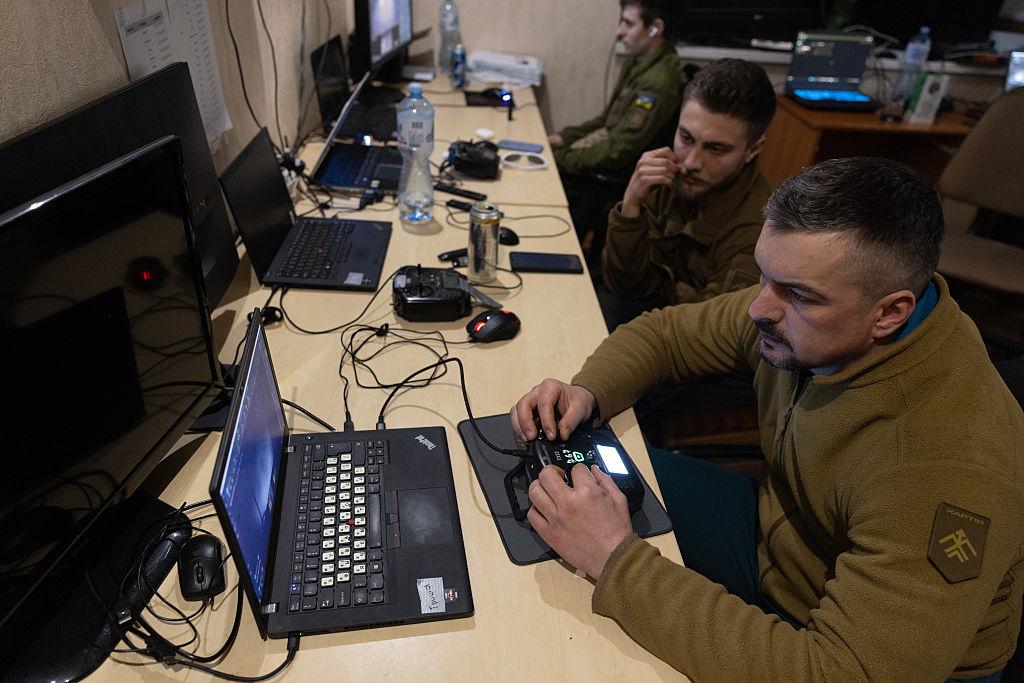
Ukraine drone warfare has also transformed military training programs. Drone operators now receive specialized instruction focused on navigation, target identification, electronic warfare awareness, and rapid decision-making under pressure.
Training exercises increasingly simulate realistic battlefield conditions where operators must respond to communication interference, changing weather, and moving targets.
Military officials believe the success of drone operations depends heavily on operator skill and psychological discipline.
A Ukrainian military trainer explained:
“Drone pilots must make life-or-death decisions within seconds while maintaining complete concentration.”
The intense pressure associated with remote combat operations has become a defining challenge for drone warfare specialists.
Electronic Warfare Expands Across the Battlefield
As Ukraine drone warfare continues evolving, electronic warfare has become one of the most important defensive and offensive strategies on the battlefield. Both sides increasingly use jamming systems designed to interfere with drone communications and navigation signals.
This technological battle has created a constant cycle of adaptation where drone manufacturers and military engineers work rapidly to overcome electronic countermeasures.
Experts say future conflicts may involve even greater competition involving cyber warfare, signal disruption, and artificial intelligence-assisted targeting systems.
The rapid pace of innovation surrounding electronic warfare is changing military planning across Europe and beyond.
Global Militaries Study Ukraine’s Battlefield Lessons
Defense organizations worldwide are closely monitoring Ukraine drone warfare because the conflict is providing real-world insight into how drones function during large-scale combat operations.
Governments throughout Europe, Asia, and North America have accelerated investment in drone technology, anti-drone defense systems, and advanced surveillance programs.
Military planners are especially focused on understanding how low-cost unmanned systems can challenge traditional armored vehicles and expensive military equipment.
The lessons emerging from Ukraine are influencing defense budgets and modernization efforts globally.
A European security analyst said:
“Every major military is now studying drone warfare much more seriously because of what is happening in Ukraine.”
The conflict has become a major reference point for future battlefield planning.
Drone Warfare Creates Psychological Impact
Beyond physical battlefield damage, Ukraine drone warfare has also introduced new psychological pressures for soldiers operating near constant aerial surveillance.
Frontline troops often face continuous monitoring from reconnaissance drones capable of detecting troop movements and directing precision strikes within minutes.
Military psychologists say the constant presence of drones can increase stress levels and reduce soldiers’ sense of security on the battlefield.
Operators themselves also face mental strain because they often witness combat footage in real time while carrying out remote attacks.
These psychological effects are becoming an increasingly important subject within military research programs.
Technology Innovation Accelerates During Conflict
The demand for improved drone systems has fueled rapid technological innovation throughout Ukraine’s defense sector. Engineers continue developing faster drones, longer battery systems, enhanced cameras, and improved navigation capabilities.
Ukraine drone warfare has also encouraged greater experimentation involving autonomous flight systems and artificial intelligence-supported targeting technologies.
Some defense companies are working on drone swarms capable of coordinated operations involving multiple unmanned aircraft working together simultaneously.
Technology analysts believe these developments could influence both military and civilian drone industries worldwide.
The conflict has effectively accelerated the global drone technology race.
Ukraine Drone Warfare 2026
| Category | Current Situation |
|---|---|
| Primary Technology | FPV combat drones |
| Main Military Use | Reconnaissance and strikes |
| Key Battlefield Advantage | Low-cost rapid deployment |
| Major Threat | Electronic signal jamming |
| Training Focus | Precision and coordination |
| Global Military Interest | Extremely high |
Civilian Drone Communities Support Innovation
Many operators involved in Ukraine drone warfare originally developed drone skills through civilian racing clubs, photography communities, and recreational aviation groups.
Since the conflict intensified, technology enthusiasts and volunteer organizations have increasingly supported military operations through equipment donations, technical modifications, and pilot training.
This cooperation between civilian and military sectors has accelerated innovation while expanding the number of trained drone operators available for defense efforts.
Analysts say this trend highlights how accessible technology is reshaping the structure of modern warfare.
Future Conflicts Likely to Depend on Drones
Military experts increasingly believe future conflicts will rely heavily on drone networks, autonomous systems, and advanced electronic warfare capabilities.
Ukraine drone warfare has demonstrated how relatively inexpensive systems can significantly influence battlefield outcomes against larger traditional military assets.
Countries worldwide are now investing heavily in counter-drone technologies, radar systems, and artificial intelligence platforms designed to detect and neutralize unmanned threats.
Security researchers warn that the rapid expansion of drone warfare could create new risks involving cybersecurity, infrastructure protection, and civilian airspace safety.
The growing dependence on unmanned systems is expected to remain one of the defining military trends of the coming decade.