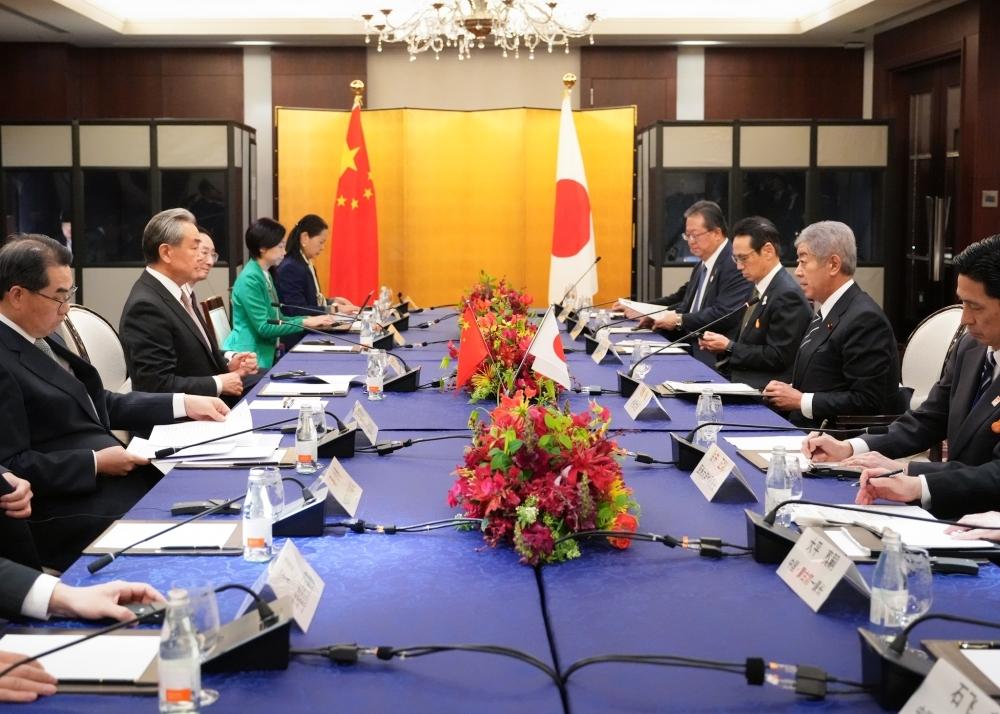
Tokyo, Japan – May 23 – Brussels Morning Newspaper — Asia trade conflict concerns returned to global headlines after Japan’s trade minister held brief discussions with his Chinese counterpart during a period of escalating diplomatic tension between the two Asian powers. The short but closely watched meeting reflected growing efforts to prevent economic disputes from further destabilizing regional markets and supply chains.
- Japan and China Attempt to Stabilize Economic Relations
- Diplomatic Disputes Continue to Pressure Trade Discussions
- Financial Markets React to Asia Trade Conflict Concerns
- Supply Chain Stability Becomes Major Concern
- Regional Security Risks Continue Rising
- Businesses Across Asia Seek Predictability
- Historical Tensions Continue Influencing Relations
- Asia Trade Conflict 2026
- Future Outlook Remains Uncertain
The talks occurred while tensions between Tokyo and Beijing continue rising over regional security issues, export controls, military activity, and strategic economic competition. Although officials described the meeting as limited and informal, investors and business leaders interpreted the discussions as an important sign that communication channels between the two governments remain open.
The Asia trade conflict has increasingly become one of the most important geopolitical and economic concerns facing international markets in 2026. Analysts warn that prolonged disagreements between major Asian economies could create broader instability across global trade networks.
Japan and China Attempt to Stabilize Economic Relations
The latest diplomatic engagement demonstrated that both governments remain aware of the economic risks tied to worsening political disputes. Japan and China maintain one of the world’s largest bilateral trade relationships, with billions of dollars in annual commerce connecting manufacturing, technology, automotive, and energy sectors.
Despite the political friction, economic ties between the two countries remain deeply interconnected. Japanese companies continue operating large manufacturing networks inside China, while Chinese demand remains important for many Japanese exporters.
However, the Asia trade conflict has created growing uncertainty for multinational corporations attempting to manage long-term investments across the region.
One regional economist stated:
“The reality is that neither Japan nor China can afford a total economic breakdown, even while political tensions continue increasing.”
The comments highlighted concerns shared by many investors who fear escalating geopolitical disputes could disrupt critical supply chains across Asia.
Diplomatic Disputes Continue to Pressure Trade Discussions
The Asia trade conflict is being driven by multiple political and security disagreements that have expanded significantly during recent years. Tensions surrounding Taiwan, maritime territorial disputes, military activity in the Indo-Pacific, and advanced technology restrictions have increasingly complicated diplomatic relations between the two countries.
Japan has strengthened security cooperation with Western allies while increasing defense spending in response to growing regional concerns. China has criticized these actions, arguing that certain alliances threaten stability and increase geopolitical confrontation.
The trade talks reportedly focused mainly on economic cooperation and regional market stability rather than security disputes. Still, analysts say it is becoming increasingly difficult to separate political disagreements from economic negotiations.
Diplomatic experts believe future economic relations between Tokyo and Beijing will likely remain influenced by broader strategic competition throughout Asia.
Financial Markets React to Asia Trade Conflict Concerns
Asian financial markets reacted cautiously following reports about the meeting. Investors continue monitoring geopolitical developments closely because the Asia trade conflict has the potential to affect manufacturing output, shipping activity, technology exports, and consumer confidence across multiple countries.
Technology companies are especially vulnerable because Japan and China both play major roles in semiconductor production, electronics manufacturing, and industrial supply chains.
Global investors fear that additional export restrictions or retaliatory measures could slow economic growth throughout Asia at a time when many economies are already facing inflation pressure and weaker consumer demand.
A Tokyo-based market strategist explained:
“Investors are worried about long-term instability more than short-term headlines. The uncertainty itself creates economic pressure.”
Those concerns have increased demand for clearer diplomatic communication between regional governments.
Supply Chain Stability Becomes Major Concern
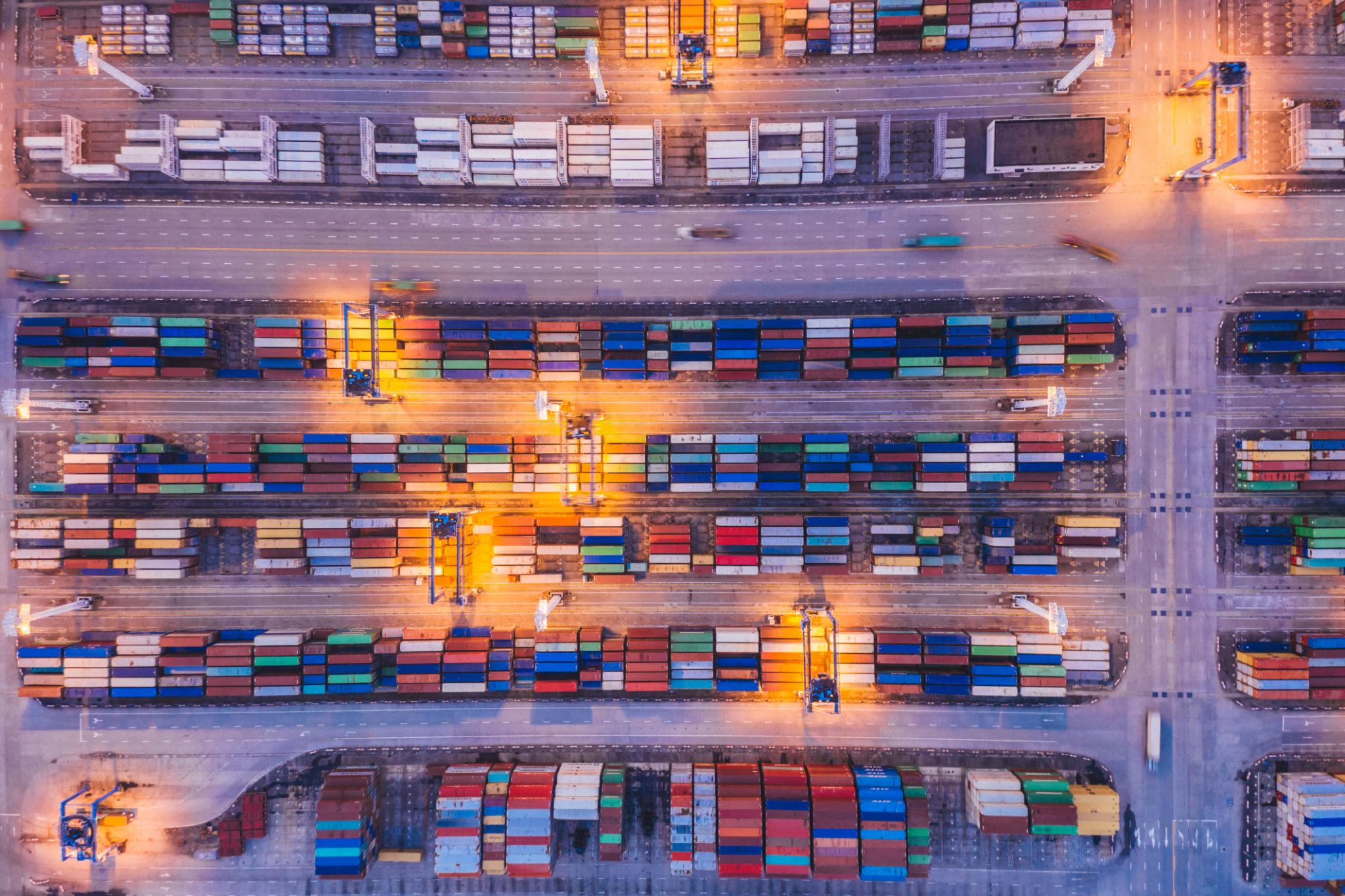
The Asia trade conflict has intensified global discussions about supply chain security and economic diversification. Since the pandemic, many corporations and governments have reassessed their dependence on single-country manufacturing operations.
Japan has encouraged companies to diversify production into Southeast Asia and other regions, while China has accelerated efforts to strengthen domestic manufacturing independence and reduce reliance on foreign technologies.
This restructuring of supply chains is gradually reshaping global commerce. Industries involving electronics, automotive manufacturing, renewable energy, and artificial intelligence technologies are among the sectors most affected.
Business organizations throughout Asia continue urging political leaders to avoid policies that could create unnecessary disruptions to trade and transportation networks.
Regional Security Risks Continue Rising
Security concerns remain one of the largest factors influencing the Asia trade conflict. Military exercises, naval patrols, and territorial disputes in the East China Sea and surrounding regions have increased diplomatic pressure between multiple governments.
Japan has continued expanding its national security strategy while strengthening military partnerships with allies across the Indo-Pacific. China has responded by increasing criticism of foreign military cooperation near its borders and maritime interests.
Although the recent talks reportedly avoided direct discussions about military matters, analysts say regional security tensions will continue influencing future trade negotiations.
The growing overlap between economic policy and national security has made diplomatic relations throughout Asia more complicated and unpredictable.
Businesses Across Asia Seek Predictability
Corporate leaders throughout Asia are closely watching diplomatic developments because business confidence depends heavily on predictable economic policies and stable international relationships.
Manufacturers, exporters, and shipping companies have become increasingly concerned about the possibility of new tariffs, export controls, or regulatory restrictions tied to the Asia trade conflict.
Executives from several major industries have publicly encouraged continued diplomatic engagement between Tokyo and Beijing, arguing that economic cooperation remains essential for regional growth.
One trade consultant noted:
“Even limited dialogue is better than silence because businesses need signs that governments are still communicating.”
The statement reflected broader market sentiment favoring stability and reduced geopolitical uncertainty.
Historical Tensions Continue Influencing Relations
Historical disagreements continue shaping modern relations between Japan and China. Issues involving wartime history, territorial disputes, and national identity remain politically sensitive within both countries.
Although economic cooperation expanded dramatically during previous decades, diplomatic tensions have repeatedly resurfaced during periods of regional political change.
The Asia trade conflict reflects this long-standing pattern where economic interdependence exists alongside political rivalry.
Experts believe these historical complexities make diplomatic negotiations especially challenging because leaders must balance economic priorities with domestic political expectations.
Asia Trade Conflict 2026
| Category | Current Situation |
|---|---|
| Main Countries Involved | Japan and China |
| Key Issues | Trade, security, technology |
| Market Concern | Supply chain disruption |
| Major Industries Affected | Technology, automotive, shipping |
| Investor Sentiment | Cautious and volatile |
| Regional Impact | Indo-Pacific economic uncertainty |
Future Outlook Remains Uncertain
The future direction of the Asia trade conflict remains uncertain as geopolitical competition continues intensifying across the Indo-Pacific region. While both governments appear interested in preventing severe economic damage, broader political disagreements continue limiting diplomatic progress.
Analysts expect future talks between Japan and China to remain cautious and highly strategic. Economic cooperation may continue in limited areas while political and security tensions persist in others.
Global markets will likely continue monitoring every diplomatic interaction between the two countries because their relationship significantly affects international trade patterns, manufacturing networks, and investor confidence.