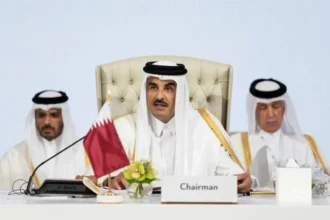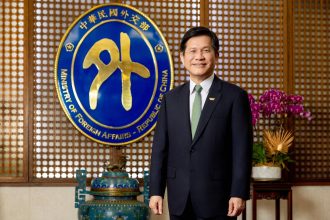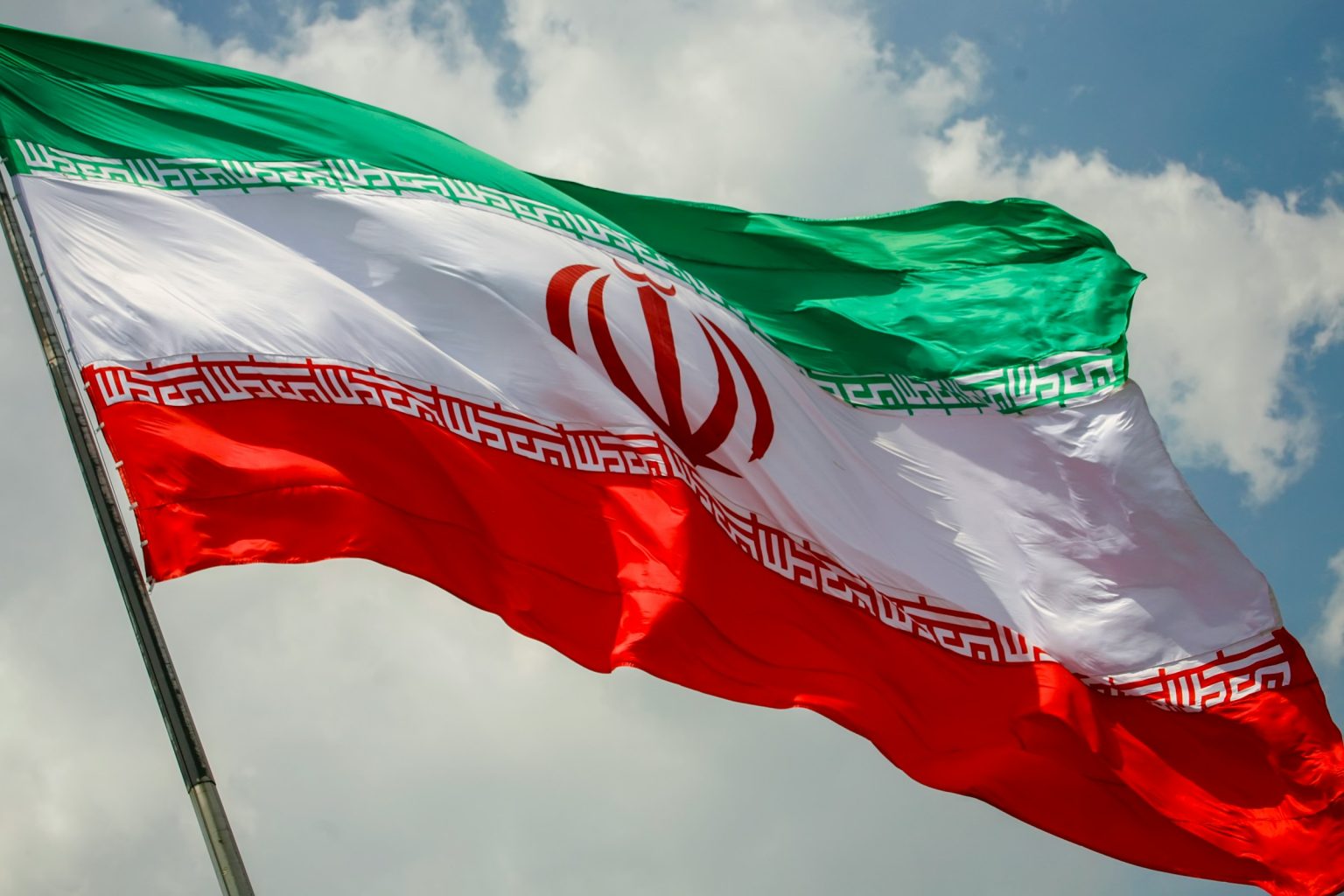
WASHINGTON, June 5 – Brussels Morning Newspaper — Iran Nuclear Talks 2026 have reached a critical junction as diplomats scramble to formalize a framework that could end months of active military hostilities. Following the April 8 ceasefire mediated by Pakistan, indirect discussions between Washington and Tehran have intensified, focusing on the future of Iran’s atomic infrastructure and the lifting of stringent economic sanctions.
International Atomic Energy Agency (IAEA) Director General Rafael Grossi noted on Friday that both sides appear “pretty close” to agreeing on an organizational structure for negotiations. While the agency remains an observer rather than a direct participant, the ongoing Iran Nuclear Talks 2026 are widely viewed as the only viable path to de-escalating the broader regional conflict.
The Diplomatic Hurdle: Enrichment and Oversight
The central challenge of the Iran Nuclear Talks 2026 remains the dispute over uranium enrichment. The United States has consistently demanded a “zero enrichment” policy, seeking an affirmative commitment from Tehran to abandon the infrastructure required for weapons-grade material. Conversely, Iranian leadership has remained unyielding, asserting their right to civilian nuclear technology.
“The issue here is multiple, because Iran has a number of obligations in terms of informing us and giving us access for our inspection work,”
stated IAEA Director General Rafael Grossi. This lack of full transparency has complicated the Iran Nuclear Talks 2026, as Western powers demand verified, long-term monitoring before any meaningful sanctions relief can be implemented.
Regional Security and Maritime Stability
A major complication for the Iran Nuclear Talks 2026 is the linkage between nuclear progress and the security of the Strait of Hormuz. Tehran has effectively utilized its control over this vital energy artery as leverage, while Washington insists that any final agreement must guarantee the “free, open, and clear” transit of commercial vessels.
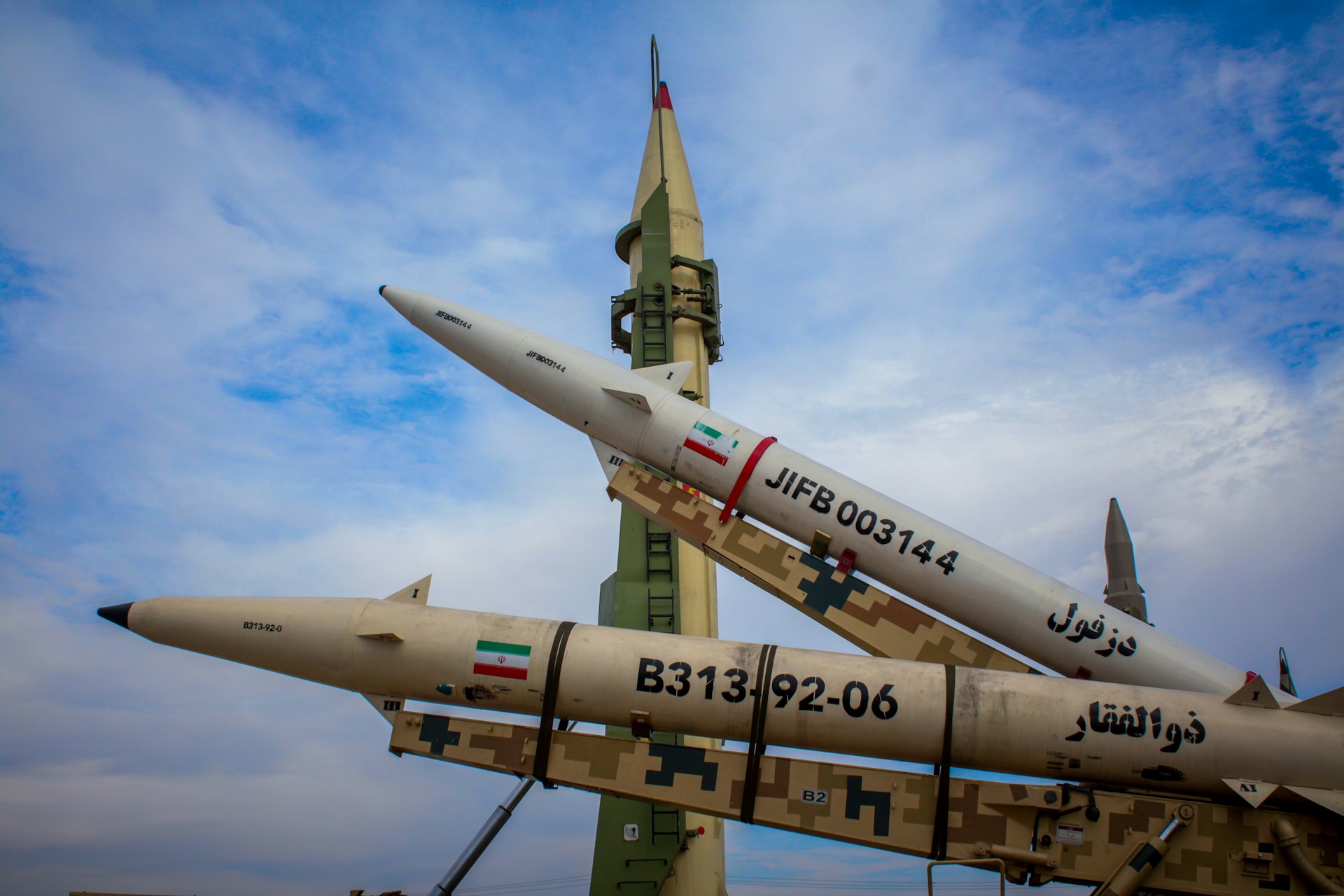
Strategic Outlook for Middle East Stability
For the Iran Nuclear Talks 2026 to succeed, negotiators must move beyond technical nuclear parameters to address the wider regional security architecture. As the Iran Nuclear Talks 2026 continue, experts emphasize that an isolated nuclear agreement is insufficient; a durable peace requires mutual concessions on regional proxy support and military infrastructure.
As the Iran Nuclear Talks 2026 proceed, the international community remains watchful. With Iran Nuclear Talks 2026 influencing global commodity prices and shipping insurance, the stakes for a successful outcome have never been higher. Both parties are under pressure to finalize a memorandum of understanding before the fragile ceasefire is tested further.
The trajectory of the Iran Nuclear Talks 2026 ultimately depends on whether Tehran accepts strict international oversight or if the U.S. opts for a more permanent military presence in the region. Until Iran Nuclear Talks 2026 produce a signed document, the global economy will remain in a state of heightened volatility.