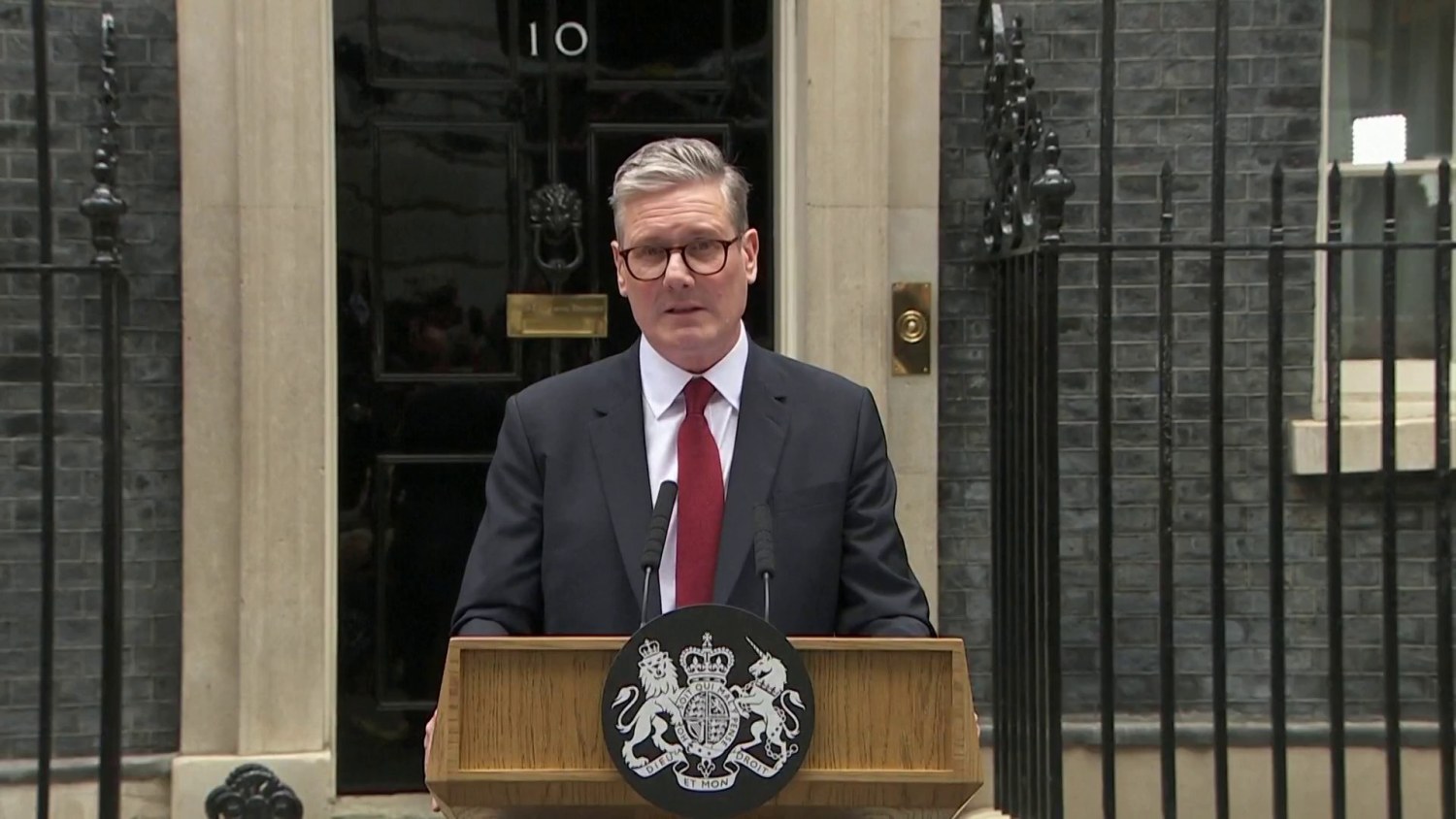
London, United Kingdom, January, 2026, Brussels Morning Newspaper — The British government has moved to clarify UK foreign policy Greenland as international attention intensifies on the Arctic region. The evolving stance reflects growing concern over security, environmental change, and global competition surrounding Greenland’s strategic position. Officials in London signaled that the approach would emphasize diplomacy, cooperation, and long-term stability rather than confrontation.
The renewed focus comes at a moment when Arctic issues have shifted from the periphery of global politics to the center of strategic debate. Melting ice, emerging shipping routes, and resource potential have transformed Greenland into a focal point for international engagement, prompting the UK to articulate its interests more clearly.
Greenland’s Strategic Geography Comes Into Focus
Greenland’s location between North America and Europe places it at the crossroads of transatlantic security. Historically seen as remote, the territory has become increasingly relevant due to climate-driven accessibility and technological advances.
Within this changing environment, UK foreign policy Greenland reflects an understanding that geography alone no longer defines importance. Instead, connectivity, surveillance capabilities, and economic potential are reshaping how policymakers view the Arctic landscape.
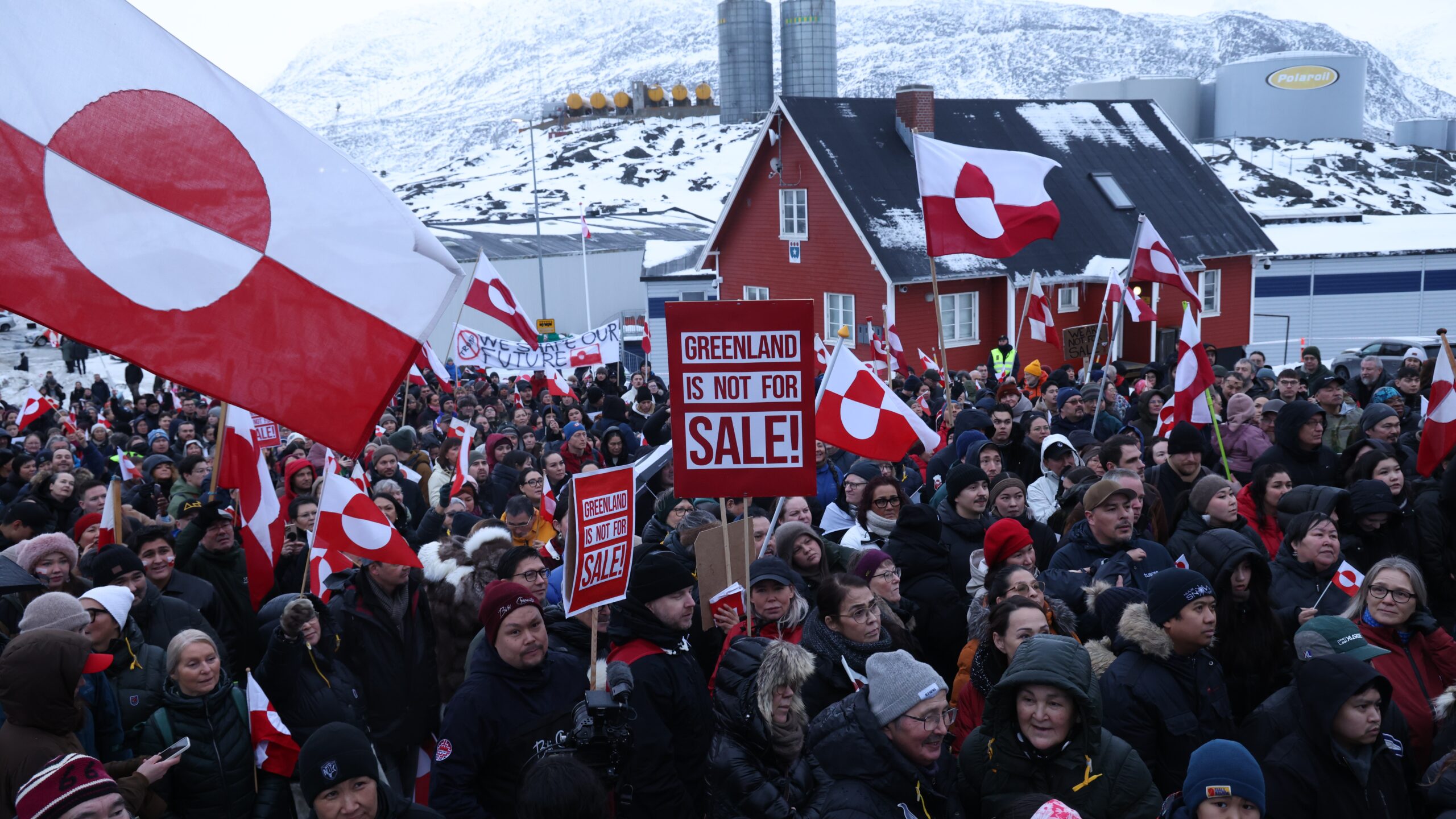
Diplomatic Engagement and Quiet Consultations
Behind closed doors, British diplomats have intensified engagement with allies and partners. Consultations have taken place with European states and North American counterparts to ensure alignment on Arctic governance.
Officials familiar with the discussions say UK foreign policy Greenland is being framed as part of a broader effort to reinforce international norms. London’s message has emphasized dialogue and coordination, seeking to avoid unilateral actions that could heighten tensions.
Alliance Commitments and International Frameworks
Britain’s Arctic approach is closely tied to its alliance structures and respect for international law. Existing treaties and cooperative bodies play a central role in guiding decisions.
By anchoring UK foreign policy Greenland within established frameworks, the government aims to provide predictability at a time when uncertainty is rising. Analysts note that such consistency enhances credibility and reduces the risk of miscalculation among Arctic stakeholders.
Domestic Political Debate Gains Momentum
At Westminster, Arctic policy has drawn increasing scrutiny. Lawmakers have questioned how Britain’s interests intersect with environmental responsibilities and defense considerations.
The articulation of UK foreign policy Greenland has been partly driven by this domestic debate. Officials argue that clarity helps build political consensus and reassures the public that strategic decisions are grounded in careful analysis rather than short-term pressure.
Economic Interests and Environmental Responsibility
Greenland’s mineral resources and fisheries have attracted global attention, raising questions about sustainable development. British policymakers have stressed that economic engagement must align with environmental protection.
Within this context, UK foreign policy Greenland seeks to balance opportunity with responsibility. Climate change has opened new possibilities, but it has also heightened the urgency of preserving fragile Arctic ecosystems.
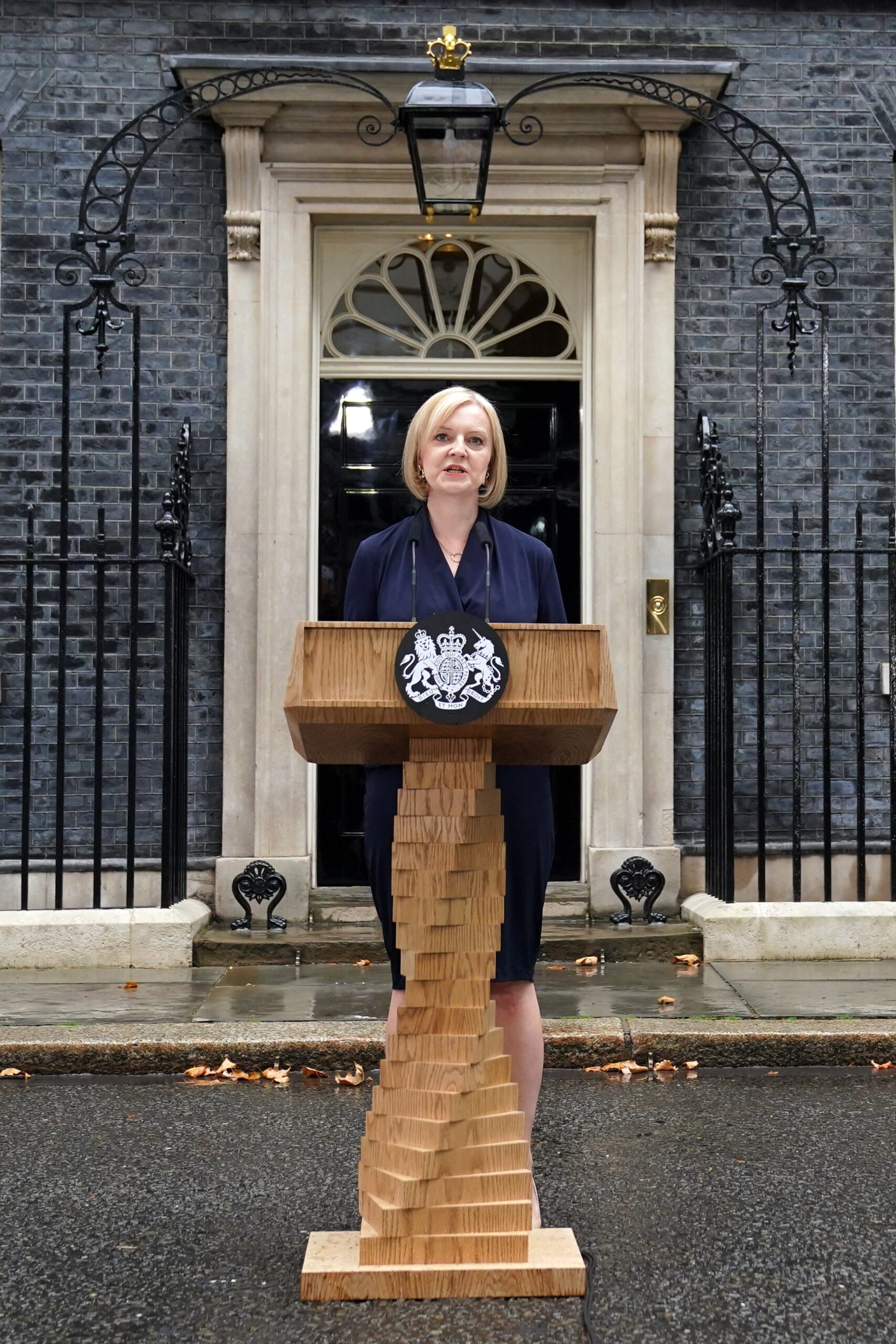
Security Considerations in a Changing Arctic
Security analysts increasingly view the Arctic as an emerging theater of strategic competition. Increased military activity and surveillance have altered the region’s security dynamics.
The UK’s stance emphasizes de-escalation and confidence-building measures. Through UK foreign policy Greenland, London has highlighted transparency and communication as essential tools to prevent misunderstandings and maintain regional stability.
Coordination With European Partners
European cooperation has become a cornerstone of Britain’s Arctic engagement. Diplomatic exchanges in Brussels and other capitals have focused on aligning priorities related to climate research, security, and governance.
Observers say UK foreign policy Greenland complements broader European efforts to promote stability and scientific collaboration in the Arctic. Such coordination is seen as vital in addressing challenges that transcend national borders.
International Reactions and Diplomatic Signals
Early reactions from allies have been cautiously supportive. Diplomats describe Britain’s messaging as measured and consistent with its emphasis on multilateralism.
By clearly outlining UK foreign policy Greenland, London has reduced ambiguity and signaled continuity. Experts suggest this clarity is particularly valuable during periods of geopolitical transition.
A Single Voice From the Diplomatic Front
One senior official involved in Arctic discussions said,
“The UK believes the Arctic’s future depends on cooperation, restraint, and respect for established norms.”
This lone comment captures the tone policymakers are seeking to project through UK foreign policy Greenland.
Public Communication and Media Scrutiny
Public interest in Arctic issues has grown as climate change and global competition dominate headlines. The government has sought to communicate its position clearly to avoid misinterpretation.
Effective communication around UK foreign policy Greenland is seen as essential to maintaining public trust and countering simplified narratives that overlook the region’s complexity.
Long-Term Strategic Outlook
Looking ahead, Britain’s Arctic engagement is expected to deepen. Research partnerships, diplomatic forums, and alliance coordination are likely to expand as the region continues to evolve.
Officials emphasize that UK foreign policy Greenland is not static but will adapt to changing environmental, political, and technological conditions over the coming decade.
Implications for Global Governance
Greenland’s role in Arctic governance has implications far beyond the region. Decisions made there could influence how emerging frontiers are managed worldwide.
By framing UK foreign policy Greenland around cooperation and law, Britain aims to contribute constructively to broader debates about global governance in an era of rapid change.
Economic Stability and Strategic Credibility
Maintaining credibility remains a central concern. Analysts argue that consistency between policy statements and actions will determine how Britain is perceived by partners and competitors alike.
The effectiveness of UK foreign policy Greenland will ultimately be measured by long-term engagement, investment in cooperation, and adherence to stated principles.
Social and Environmental Stakes
Communities connected to Arctic research and policy development have highlighted the human dimension of these decisions. Indigenous perspectives and environmental stewardship remain critical considerations.
Incorporating these voices into UK foreign policy Greenland is increasingly viewed as essential for legitimacy and sustainability.
Technology and Scientific Cooperation
Scientific research has become a key pillar of Arctic engagement. Britain’s investment in climate science and monitoring technologies supports both environmental understanding and policy planning.
Through UK foreign policy Greenland, the government has underscored the importance of evidence-based decision-making in navigating Arctic challenges.
Diplomacy in an Era of Competition
The Arctic’s transformation has intensified competition, but it has also created opportunities for cooperation. Diplomats stress that avoiding zero-sum thinking is crucial.
Britain’s approach through UK foreign policy Greenland seeks to demonstrate that engagement and restraint can coexist with the protection of national interests.
Regional Stability and Future Risks
Experts warn that missteps in the Arctic could have far-reaching consequences. Increased activity without clear rules could heighten the risk of accidents or misunderstandings.
By emphasizing rules-based engagement, UK foreign policy Greenland aims to mitigate such risks and support long-term regional stability.
Arctic Decisions That Will Shape a Generation
As the Arctic continues to change, the choices made today will echo for decades. Greenland stands at the center of this transformation, symbolizing both opportunity and responsibility.
How Britain navigates these challenges through UK foreign policy Greenland will help define its global role in a world where cooperation, credibility, and foresight matter more than ever.