
LONDON, June 5 – Brussels Morning Newspaper — UK Defence Spending is under the spotlight as the government’s long-delayed Defence Investment Plan continues to face roadblocks, prompting urgent warnings from top military officials. Chief of the Defence Staff Sir Richard Knighton cautioned on Friday that the nation is running out of time to modernize its armed forces, citing the most dangerous global security environment since the Cold War.
Military Chief Sounds Alarm
As the Defence Investment Plan remains stalled due to internal budget disputes, the pressure on Prime Minister Keir Starmer’s administration is reaching a breaking point. Sir Richard Knighton highlighted that adversaries, particularly Russia, are actively testing British defences through cyberattacks, sabotage, and frequent incursions into sensitive airspace.
“Russia is definitely raising the stakes and risks crossing a line,”
Knighton told BBC Radio.
“We need to spend more on defence and do it faster.”
His remarks underscore the growing frustration among military leadership, who argue that funding bottlenecks are hindering the armed forces’ transition to “warfighting readiness” required for potential large-scale conflicts.
Budget Disputes and Funding Gaps
Westminster insiders suggest that a projected £28 billion funding shortfall over the next four years is at the heart of the current stalemate. While Prime Minister Starmer has publicly pledged the most significant sustained increase in defence investment since the Cold War, reports indicate that Chancellor Rachel Reeves and the Prime Minister are weighing the affordability of these commitments amid broader economic pressures.
During a visit to a drone manufacturer in Wiltshire, Starmer attempted to reassure the public and defence industry stakeholders. “That is the plan that says here’s the money that goes with the capability,” Starmer stated. He officially confirmed that the finalized document will be released prior to the upcoming NATO summit in Turkey, which commences on July 7, 2026.
Preparing for Future Warfare
The proposed Defence Investment Plan is designed to operationalize the vision outlined in last year’s Strategic Defence Review. The core objective is to shift the British military from a focus on short, confined operations to a state of readiness for prolonged, high-intensity warfare similar to the conflict in Ukraine.
Sir Richard Knighton noted that the nature of these threats requires a rapid shift in priorities.
“Drones and autonomous systems are going to become increasingly important in the future of warfare,”
he explained. By prioritizing these technologies, the government aims to close the gap between Britain’s current capabilities and the strategic requirements of a modernized, high-tech battlefield.
Political Pressure and NATO Expectations
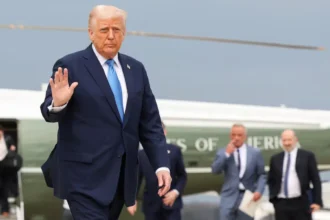
The urgency surrounding the plan is amplified by the upcoming NATO summit. U.S. President Donald Trump, who has frequently urged European leaders to increase their national security budgets, is expected to attend. Failure to present a concrete investment strategy could strain the UK’s relationship with key allies and leave the government vulnerable to criticism regarding its commitment to regional stability.
While the government highlights that over 1,200 major contracts have been awarded since the last election, industry experts maintain that without the long-term clarity promised in the investment plan, the defence sector remains in a state of operational limbo. As ministers navigate these “difficult trade-off decisions,” the primary concern remains whether current monetary interventions can provide the security buffer needed in an increasingly volatile global landscape.