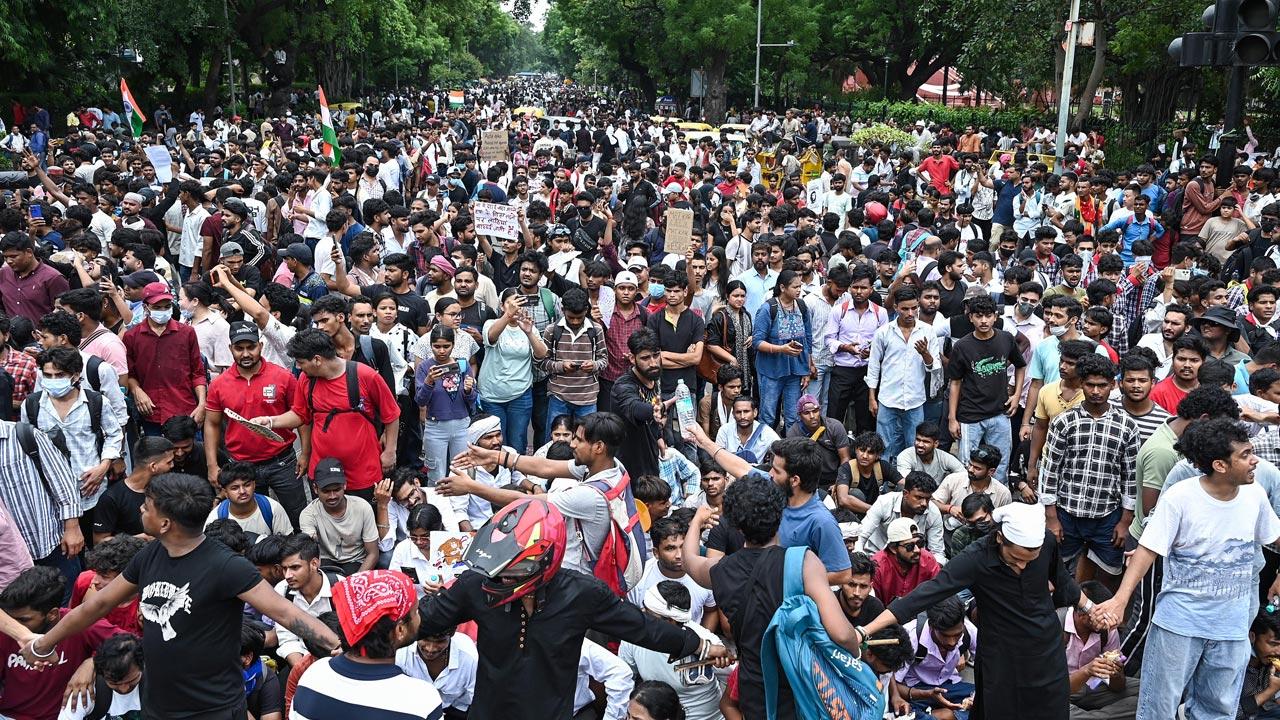
New Delhi, July 27 Brussels Morning Newspaper — India civil liberties are at the centre of a fresh legal dispute after activists challenged surveillance measures used during recent youth protests in the capital. The case follows nationwide demonstrations that began over examination paper leaks and expanded into broader calls for transparency, privacy protections and democratic accountability.
Main Development
Activists have filed a legal challenge questioning the government’s use of surveillance technology around protest sites in New Delhi. They argue that monitoring peaceful demonstrators could discourage citizens from exercising their constitutional right to assemble.
The Modi government has defended the security arrangements, saying surveillance measures were introduced to maintain public order during large gatherings. The challenge comes as authorities continue implementing reforms following weeks of student-led protests.
Key Details and Background
The demonstrations were triggered by examination paper leaks affecting millions of students across India. Public frustration grew as protesters demanded stronger accountability and reforms to the country’s examination system.
The movement later expanded beyond education issues, with activists raising concerns about digital privacy, surveillance practices and civil rights. Parliament is now considering legislation designed to strengthen examination security while legal proceedings continue over the surveillance challenge.
Public Impact of India Civil Liberties Debate
The dispute has intensified discussion about India civil liberties and the balance between public safety and individual rights.
Legal experts say the outcome of the court case could influence how surveillance technologies are used during future public demonstrations. Digital rights groups are also calling for clearer safeguards governing the collection and use of personal data at protests.
What Happens Next
The courts are expected to examine whether surveillance measures complied with constitutional protections while allowing authorities to maintain law and order.
Meanwhile, youth groups have indicated they will continue campaigning for education reforms and greater government accountability. The legal outcome could help define future standards for protest policing and privacy protections in India.
The surveillance challenge has added a new legal dimension to India’s youth protest movement. While the government maintains that security measures are necessary, activists argue that protecting India civil liberties remains essential in a democratic society. The court’s decision is likely to shape future debates over privacy, technology and the right to peaceful protest.
The legal challenge over surveillance during India’s youth protests has shifted attention from education reforms to broader questions about privacy and democratic rights. Activists say monitoring demonstrators threatens India civil liberties, while the government argues security measures are necessary to maintain public order. As courts review the case and lawmakers continue discussing reforms, the outcome could influence future policing policies and digital privacy protections across India. The issue is expected to remain a key topic in the country’s political and legal landscape.